
Roasting vs. Baking: Same Oven, Different Results

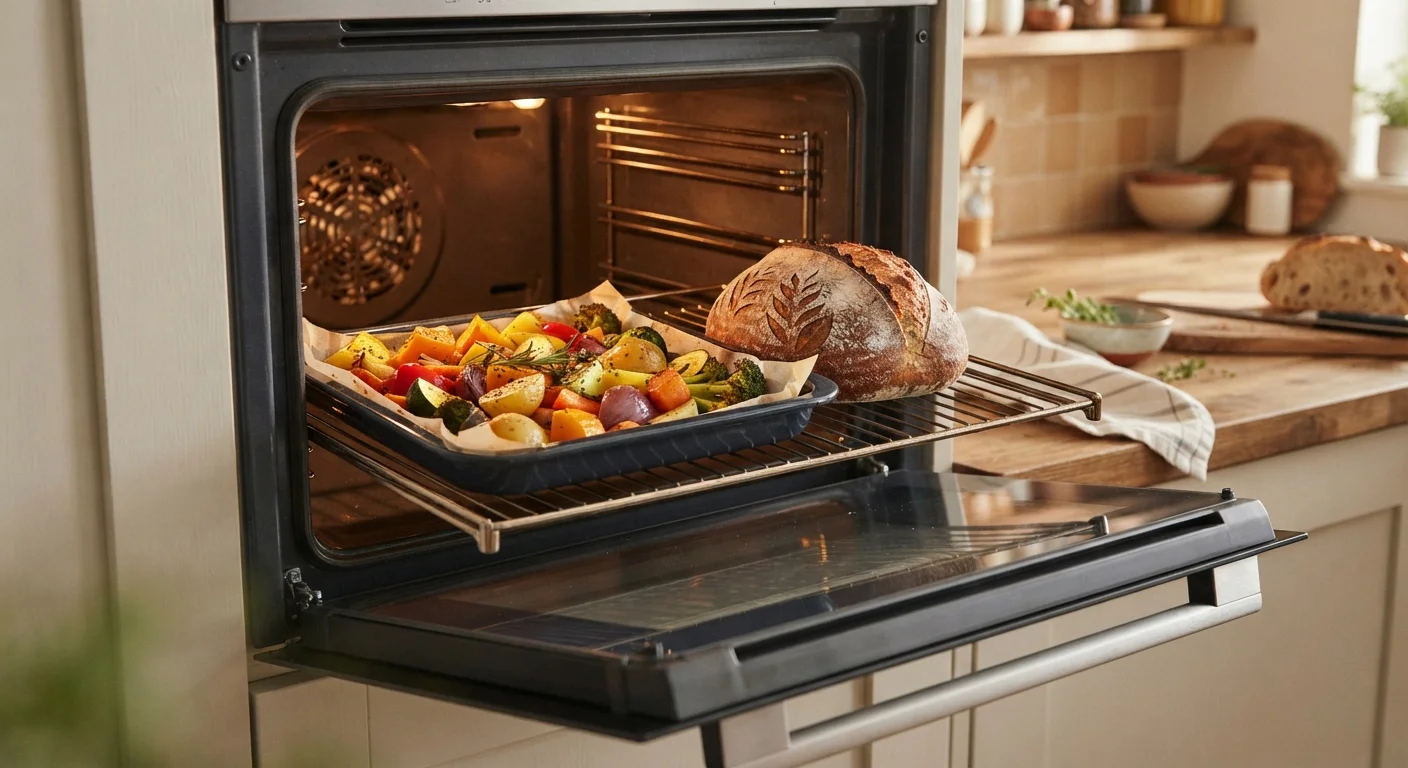
Photo: InsightsVilla.com | Quick Search. Right Info editorial
Key Takeaways
- Roasting uses high heat to brown food surfaces; baking uses moderate heat to set structure.
- The key distinction is often the food itself - structured batters bake, while whole foods roast.
- Roasting relies on the Maillard reaction for flavor; baking relies on leavening and coagulation.
- Both methods use dry oven heat, but the purpose and temperature ranges typically differ.
- Many foods can benefit from a combination of both techniques in a single cook.
Why the Distinction Actually Matters
People use "roasting" and "baking" interchangeably all the time - and honestly, the line between them is blurrier than most culinary textbooks admit. Both techniques use dry oven heat with no added liquid, and both happen in the exact same appliance. So why do recipes bother specifying one or the other?
The answer lies in what you want the heat to do to your food. Roasting is about developing flavor on the surface - that gorgeous browning that happens when natural sugars and proteins hit high heat (a process called the Maillard reaction). Baking is more about transformation from the inside out: turning a wet batter into a fluffy muffin, or a sticky dough into crusty bread. These are genuinely different goals, and understanding them makes you a more confident cook. If you want to level up further, reading a recipe like a cook will help you spot these distinctions before you even preheat the oven.
How Roasting Works
Roasting typically happens at higher temperatures - commonly somewhere in the 375°F-450°F range, though that varies by recipe and ingredient. The primary goal is surface browning. When you roast a chicken or a tray of carrots, the oven's dry heat pulls moisture from the outer layer quickly, allowing the Maillard reaction to produce deep color and complex, savory flavor.
The food itself is usually whole, in pieces, or cut into chunks - it already has its own structure. A potato doesn't need chemistry to hold itself together; it just needs heat to soften inside and crisp outside. That's the roasting sweet spot. Uncovered pans and some airflow (convection helps here) accelerate surface browning.
| Criterion | Roasting | Baking |
|---|---|---|
| Typical temperature range | 375°F - 450°F | 325°F - 375°F |
| Primary goal | Surface browning & flavor | Structural transformation |
| Typical foods | Meat, fish, vegetables | Bread, cakes, casseroles |
| Food state going in | Already has structure | Liquid, batter, or dough |
| Key science | Maillard reaction & caramelization | Leavening, coagulation, gelatinization |
| Temperature precision | More flexible | More precise |
How Baking Works
Baking generally works at moderate temperatures - often between 325°F and 375°F - because the food being cooked is structurally unstable when raw. A cake batter is essentially liquid; bread dough is sticky and shapeless. The oven's heat triggers a series of reactions: leavening gases expand, proteins in eggs coagulate, starches gelatinize, and gluten networks firm up. The result is something solid that didn't exist before you put it in the oven.
Too much heat too fast and the outside sets before the inside finishes cooking - you get a cracked top, raw center, or collapsed structure. That's why baking temperatures are more precise, and why you'll see recipes insisting on preheated ovens and specific rack positions. It's less forgiving than roasting because there's more chemistry involved. For a clear parallel in moist-heat cooking, simmering versus boiling versus poaching follows the same principle - temperature controls outcome.
425°F
Common roasting temperature for vegetables
Most culinary guidelines suggest this range delivers reliable browning for root vegetables and brassicas without burning.
350°F
The most common baking temperature in American recipes
Food science educators note that 350°F appears in roughly half of all baked-good recipes as a moderate, all-purpose baking heat.
Where the Lines Blur - and How to Use That
Some foods legitimately straddle both methods. Roasted sweet potatoes start at high heat for browning, then the oven temperature may drop to finish cooking through. Whole fish might be described as either "roasted" or "baked" depending on the recipe author's preference - the technique is essentially the same. And dishes like baked chicken thighs with vegetables are often just roasting with a fancier name.
The practical takeaway: lean on roasting when you want color, crust, and deep flavor on solid foods. Lean on baking when your food needs heat to build its structure. When a recipe mixes both approaches - starting high, finishing low, or vice versa - that's intentional, and worth paying attention to. It's also worth knowing that common cooking myths sometimes cloud how people think about oven heat, so a little clarity goes a long way.
The content on this site is for informational purposes only and is not a substitute for professional advice. Always consult a qualified professional for guidance specific to your situation.