
Freezer Cooking: What Works, What Doesn't, and Why

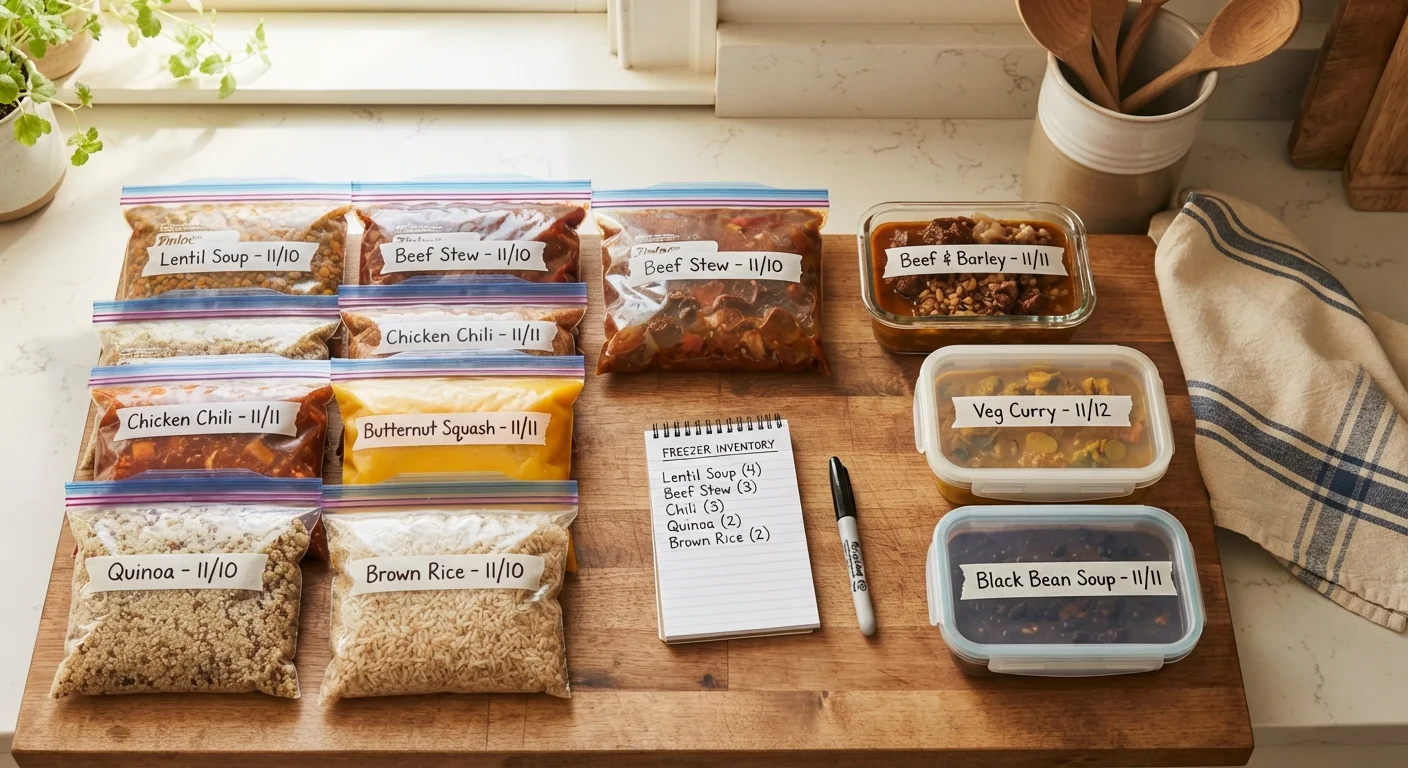
Photo: InsightsVilla.com | Quick Search. Right Info editorial
Key Takeaways
- Soups, stews, and cooked grains freeze exceptionally well and reheat with minimal quality loss.
- Dairy-based sauces, fried foods, and raw vegetables with high water content don't survive freezing intact.
- Proper packaging - airtight containers or freezer bags with air removed - is the single biggest factor in quality.
- Most cooked proteins freeze well when stored with some liquid to prevent drying out.
- Freezer cooking pairs naturally with budget-conscious meal planning to reduce food waste.
Saves significant time on busy weeknights
Having ready-made meals or components in the freezer means dinner can be on the table in minutes rather than an hour. It removes the daily decision of what to cook when energy is lowest.
Reduces food waste and grocery spending
Freezing leftovers or batch-cooked meals prevents perfectly good food from spoiling in the fridge. This pairs naturally with buying in bulk when prices are lower.
Flavor often improves after freezing
Soups, stews, and braises frequently taste more developed after a freeze-thaw cycle because flavors continue to meld. Many cooks intentionally make these dishes ahead for this reason.
Flexible portion control for different needs
Freezing in individual or family-sized portions lets you pull exactly what you need without committing to finishing a large batch all at once.
Works as a safety net during illness or busy periods
A stocked freezer is especially useful during periods of illness, travel recovery, or unusually hectic weeks when cooking from scratch simply isn't realistic.
Dairy-based sauces and creams break badly
Cream-based soups, Alfredo, and similar sauces often separate into a grainy or watery mess after thawing. The fat-water emulsion doesn't survive ice crystal formation.
Fried and crispy textures become soggy
Breaded cutlets, fried chicken, and anything relying on a crunchy crust will lose that texture entirely in the freezer. The coating absorbs moisture during thawing and goes limp.
High-moisture raw vegetables turn mushy
Cucumbers, lettuce, raw tomatoes, and zucchini have cell walls that rupture during freezing, resulting in a watery, unpleasant texture when thawed. They're best used fresh.
Cooked pasta and potatoes degrade in texture
Both become waterlogged and mealy after freezing. If you're freezing a soup or stew that will include pasta or potatoes, it's better to add them fresh when reheating.
Requires upfront time and planning
The payoff is on the back end, but you do need to invest time in batch cooking, portioning, labeling, and organizing your freezer to make the system work.
Quality declines the longer food is stored
While frozen food stays safe indefinitely at 0°F, texture and flavor degrade over time. Most cooked meals are best used within two to three months for optimal quality.
Why Freezer Cooking Actually Makes Sense
Freezer cooking - batching meals or components ahead of time and storing them frozen - has been a practical kitchen strategy long before it became a social media trend. The appeal is straightforward: cook once, eat multiple times. Done right, it cuts down on weeknight decision fatigue, reduces food waste, and can meaningfully stretch a grocery budget. If you're already trying to eat well on a tight budget, the freezer is one of your best allies.
But freezer cooking isn't a blanket solution. The difference between a great freezer meal and a soggy, watery disappointment almost always comes down to knowing which foods freeze well - and which ones really don't. Understanding the science behind that distinction takes most of the guesswork out of the process.
Saves significant time on busy weeknights
Having ready-made meals or components in the freezer means dinner can be on the table in minutes rather than an hour. It removes the daily decision of what to cook when energy is lowest.
Reduces food waste and grocery spending
Freezing leftovers or batch-cooked meals prevents perfectly good food from spoiling in the fridge. This pairs naturally with buying in bulk when prices are lower.
Flavor often improves after freezing
Soups, stews, and braises frequently taste more developed after a freeze-thaw cycle because flavors continue to meld. Many cooks intentionally make these dishes ahead for this reason.
Flexible portion control for different needs
Freezing in individual or family-sized portions lets you pull exactly what you need without committing to finishing a large batch all at once.
Works as a safety net during illness or busy periods
A stocked freezer is especially useful during periods of illness, travel recovery, or unusually hectic weeks when cooking from scratch simply isn't realistic.
What Freezes Beautifully (and Why)
The foods that hold up best in the freezer tend to share a few traits: they're already moist, they're not relying on a delicate texture, and they don't contain ingredients that separate or break down badly at low temperatures.
- Soups and stews are the gold standard. The liquid environment protects everything inside and the whole thing reheats evenly.
- Cooked grains - rice, farro, barley - freeze and reheat surprisingly well, especially if you spread them on a sheet pan to cool before bagging.
- Braised and slow-cooked proteins like pulled pork, pot roast, and chicken thighs hold moisture and flavor beautifully, particularly when frozen with some of their cooking liquid.
- Tomato-based sauces and chilis are practically made for the freezer - they often taste better after a freeze-thaw cycle as flavors meld further.
- Baked goods like muffins, quick breads, and cookies freeze well when wrapped tightly.
0°F
Temperature that keeps frozen food indefinitely safe
According to the USDA, food stored at a consistent 0°F (−18°C) is safe indefinitely, though quality declines over time.
2-3 months
Optimal freezer storage window for cooked meals
The USDA recommends consuming most cooked, frozen meals within two to three months for the best flavor and texture.
If you're looking for a realistic meal prep framework built around your actual schedule, building a rotation of these freezer-friendly staples is a great place to start.
What Doesn't Survive the Freezer
Some foods look perfectly fine going in and come out as a textural disaster. Here's where freezer cooking tends to go wrong:
Dairy-based sauces and creams break badly
Cream-based soups, Alfredo, and similar sauces often separate into a grainy or watery mess after thawing. The fat-water emulsion doesn't survive ice crystal formation.
Fried and crispy textures become soggy
Breaded cutlets, fried chicken, and anything relying on a crunchy crust will lose that texture entirely in the freezer. The coating absorbs moisture during thawing and goes limp.
High-moisture raw vegetables turn mushy
Cucumbers, lettuce, raw tomatoes, and zucchini have cell walls that rupture during freezing, resulting in a watery, unpleasant texture when thawed. They're best used fresh.
Cooked pasta and potatoes degrade in texture
Both become waterlogged and mealy after freezing. If you're freezing a soup or stew that will include pasta or potatoes, it's better to add them fresh when reheating.
Requires upfront time and planning
The payoff is on the back end, but you do need to invest time in batch cooking, portioning, labeling, and organizing your freezer to make the system work.
Quality declines the longer food is stored
While frozen food stays safe indefinitely at 0°F, texture and flavor degrade over time. Most cooked meals are best used within two to three months for optimal quality.
The underlying issue with most freezer failures is water. Ice crystals form inside food cells during freezing and rupture cell walls on the way out. That's why a raw cucumber turns to mush, why fried foods go limp, and why creamy sauces "break" - the fat and water separate when ice crystals disrupt the emulsion. It's not a packaging problem; it's just chemistry. This also explains some widely misunderstood kitchen behaviors people chalk up to bad technique.
The Packaging Factor: Where Most People Slip Up
Even freezer-friendly food can be ruined by poor packaging. Freezer burn - that grayish, desiccated surface you sometimes find on frozen meat or vegetables - isn't a safety issue, but it absolutely tanks flavor and texture. It happens when air reaches the food's surface.
A Note on Freezer-Safe Containers
The fix is simple: remove as much air as possible before sealing. Freezer bags work well if you press out the air before closing. Rigid containers should be filled close to the top (leaving a small gap for expansion in liquids). Label everything with the contents and date - a freezer full of mystery bags is a freezer you'll stop using. Most cooked meals keep well for two to three months before quality starts to decline, though they remain safe beyond that window.
One more tip: cool food completely before it goes in the freezer. Putting hot food in directly raises the temperature inside, which can partially thaw neighboring items and affect the quality of everything around it.
Making Freezer Cooking Work in Practice
The most common reason meal prep falls apart is overambition - trying to stock the freezer with twenty elaborate meals in one afternoon. Freezer cooking works better as a low-effort habit than a once-a-month marathon.
A more sustainable approach: when you're already making soup or chili, double the batch. When you cook a big pot of rice or grains, freeze half in individual portions. Roast a large tray of vegetables on Sunday - the ones that freeze well, like roasted winter squash or cauliflower - and pull from them all week. Over time, you'll naturally build a usable inventory without any single exhausting cooking session.
Keep a mental (or physical) list of your household's freezer-friendly favorites, and cycle through them regularly so nothing gets buried and forgotten. A well-managed freezer isn't just a convenience tool - it's a genuine buffer against the "there's nothing to eat" problem that sends people toward expensive takeout on a Tuesday night.
The content on this site is for informational purposes only and is not a substitute for professional advice. Always consult a qualified professional for guidance specific to your situation.