
Why Your Chicken Turns Out Dry Every Time

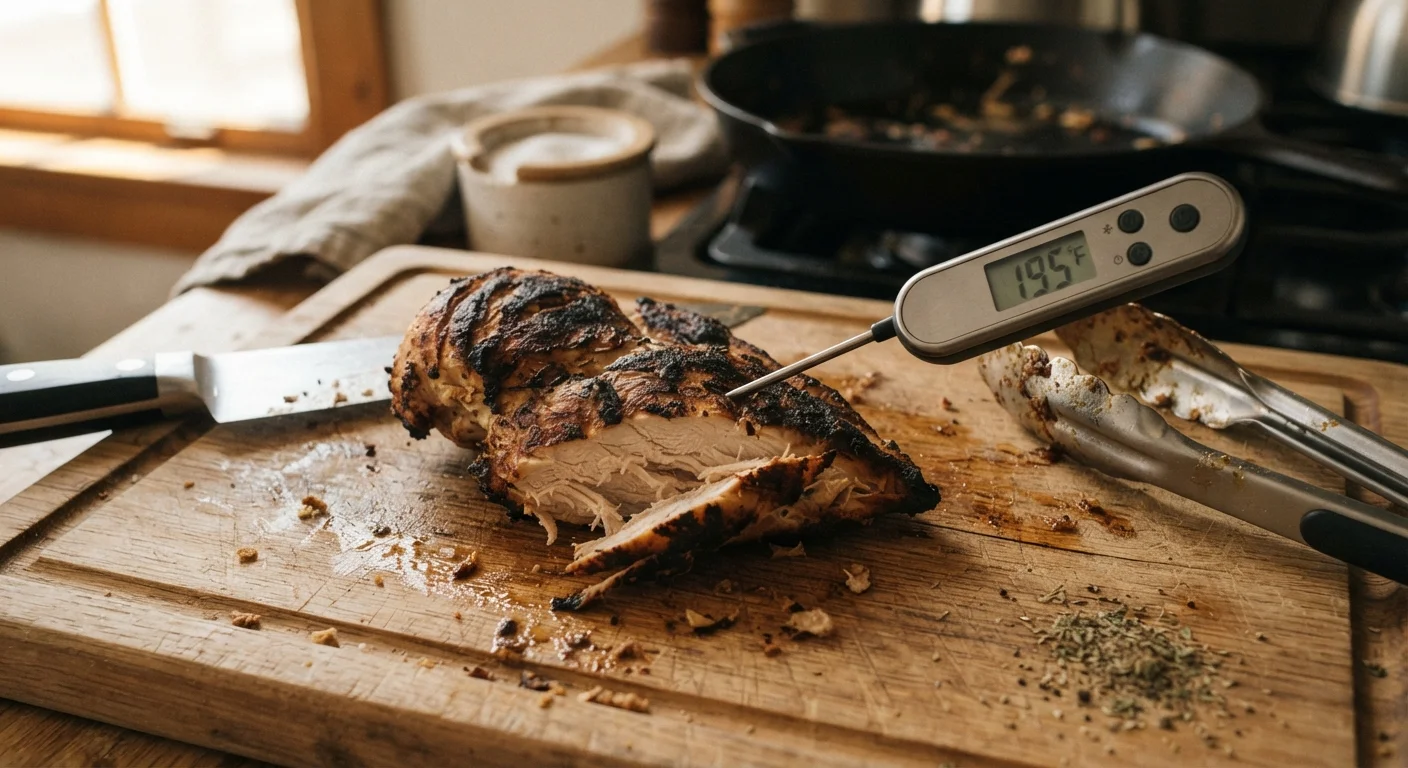
Photo: InsightsVilla.com | Quick Search. Right Info editorial
Key Takeaways
- Overcooking is the number-one reason chicken turns out dry, and a meat thermometer solves it.
- Skipping the rest period after cooking allows juices to escape before you even take a bite.
- Cooking chicken straight from the fridge leads to uneven cooking and dry outer layers.
- Brining or marinating chicken beforehand dramatically improves moisture retention during cooking.
The Real Reason Your Chicken Is Drying Out
Dry chicken isn't a mystery - it's almost always the result of one or more very predictable mistakes. The good news is that once you understand what's actually happening inside that piece of meat, fixing it is surprisingly straightforward.
Chicken is a lean protein, which means it has very little fat to protect it from heat. When it gets too hot for too long, its muscle fibers contract and squeeze out moisture rapidly - and once that moisture is gone, no amount of sauce will bring it back. The fix starts before the chicken ever hits the pan.
Cooking chicken straight from the refrigerator without letting it rest at room temperature first.
Relying on time and color instead of a thermometer to judge doneness.
Skipping the resting period after cooking.
Not brining or marinating before cooking, especially for lean cuts like breasts.
Cooking on heat that's too high for too long.
Small Habits That Make a Big Difference
Most of these mistakes are easy to course-correct once you're aware of them. A good instant-read thermometer is genuinely the single most useful tool you can own for cooking poultry - it removes all the guesswork. If you've been relying on the "cut it open and check" method, that cut alone lets precious juices escape.
165°F
USDA safe internal temperature for chicken
The USDA recommends cooking all poultry to a minimum internal temperature of 165°F (74°C) to ensure food safety - going significantly beyond this is where dryness sets in.
5-10 min
Recommended resting time for chicken breasts
Food science educators consistently note that even a short rest dramatically reduces juice loss when slicing cooked poultry.
It's also worth questioning a few things you may have always assumed about chicken. For example, many cooks believe searing locks in moisture - but that's actually a cooking myth worth revisiting. Check out our look at cooking myths home cooks still believe for a deeper dive into kitchen fiction versus fact.
If you batch-cook or freeze chicken ahead of time, moisture loss can be compounded by improper freezing technique. Our guide to freezer cooking covers how to handle poultry so it doesn't come out of the freezer already compromised.
Don't Rinse Raw Chicken Before Cooking
The content on this site is for informational purposes only and is not a substitute for professional advice. Always consult a qualified professional for guidance specific to your situation.