
Night Driving Is More Dangerous Than It Feels - Here's Why

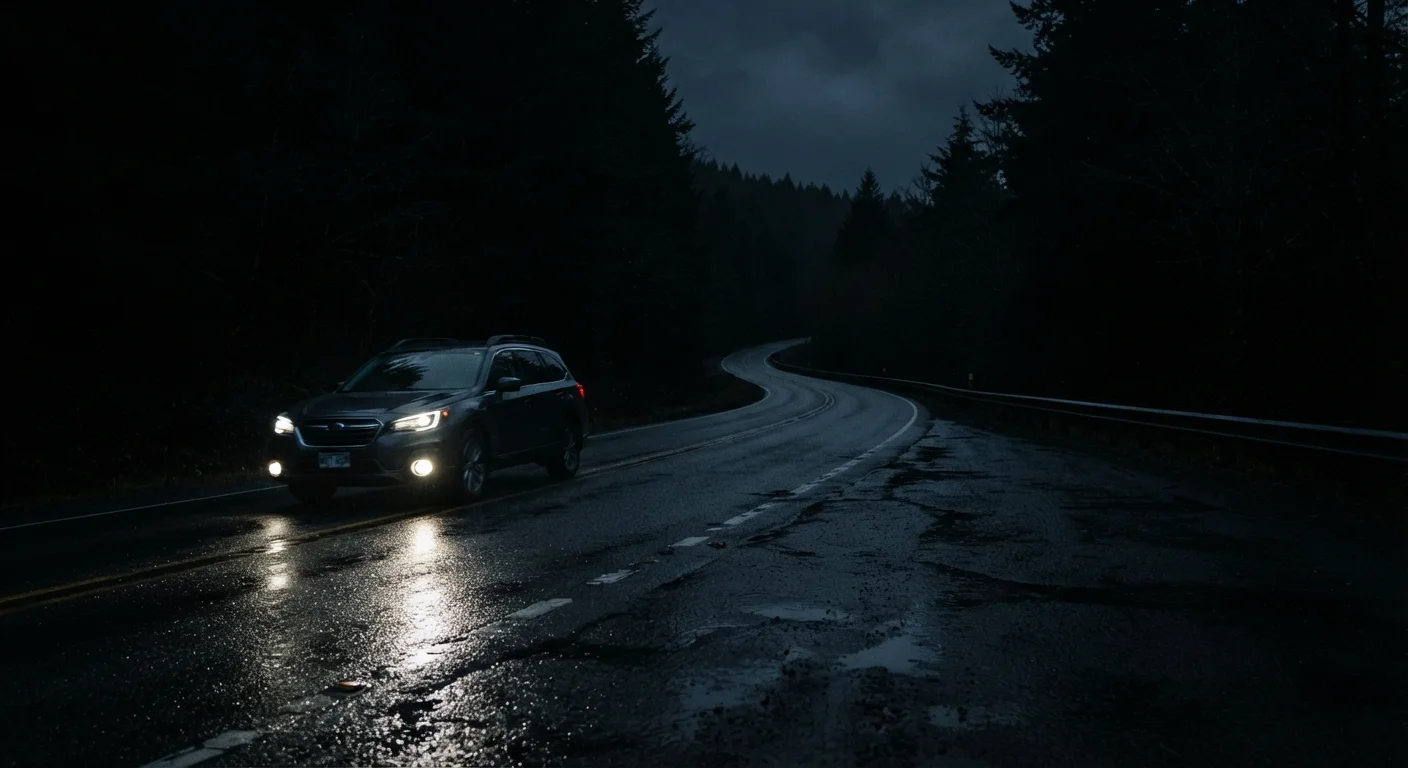
Photo: InsightsVilla.com | Quick Search. Right Info editorial
Key Takeaways
- Fatal crash rates per mile are roughly three times higher at night than during the day.
- Human vision loses contrast sensitivity and depth perception in low light, even when drivers feel confident.
- Standard low-beam headlights illuminate far less road than typical highway speeds require.
- Driver fatigue peaks in the late night and early morning hours, compounding visibility problems.
- Practical adjustments - slower speed, greater following distance, clean headlights - meaningfully reduce risk.
The Numbers Behind Night Driving Danger
Most Americans drive at night without a second thought - the roads are less congested, the commute is shorter, and familiar routes feel routine. But that sense of normalcy doesn't match the data. According to the National Highway Traffic Safety Administration (NHTSA), roughly half of all traffic fatalities occur at night, even though significantly less driving happens after dark. That disparity means the fatal crash rate per mile driven is approximately three times higher at night than during daylight hours.
The gap isn't explained by reckless behavior alone. The physical realities of nighttime driving create hazards that affect every driver, regardless of skill level. Understanding those realities is the first step toward compensating for them.
~3x
Higher fatal crash rate at night vs. daytime
According to NHTSA data, the per-mile fatality rate after dark is roughly three times the daytime rate.
160 ft
Typical low-beam headlight range
At 60 mph, a driver covers this distance in under two seconds - less time than most hazard-response sequences require.
~50%
Of all U.S. traffic fatalities occur at night
Despite significantly less driving occurring after dark, nighttime accounts for a disproportionate share of fatal crashes (NHTSA).
What Darkness Actually Does to Your Vision
Vision is the primary sense drivers rely on, and darkness degrades it in several interconnected ways. The eye's cone cells - responsible for sharp, color-accurate central vision - function poorly in dim light. The rod cells that take over in low-light conditions are less precise and offer no color information. The result is a meaningful loss of contrast sensitivity and depth perception that most drivers don't consciously register.
Peripheral vision, which helps detect movement at the edge of your visual field, also weakens in low light. This matters because pedestrians, cyclists, and animals are far more likely to be seen with peripheral vision than direct focus. A deer stepping onto a rural road may simply not register until it's in the direct beam of your headlights.
Age compounds all of this. The pupil's ability to dilate and the eye's overall light-gathering efficiency decline with age, meaning older drivers face a more severe version of the same constraints that affect everyone after dark.
Vision Limitations Are Universal After Dark
The Headlight Gap Most Drivers Don't Know About
Even with functioning headlights, there's a mismatch between how far you can see and how far you need to see. Standard low-beam headlights illuminate roughly 160 feet of road ahead. At 60 mph, you cover that distance in under two seconds - far less than the reaction time needed to identify an obstacle, decide on a response, and bring a vehicle to a stop. Driving at highway speeds with low beams alone means you're effectively outrunning your own sight distance.
High beams extend visibility to approximately 350-400 feet, which is why safety guidance consistently recommends using them on unlit roads whenever there's no oncoming traffic. Many drivers underuse high beams out of habit or unfamiliarity. Equally overlooked: dirty or misaligned headlights can reduce effective illumination by 50% or more. Cleaning lenses and checking headlight aim at regular maintenance intervals is a low-effort habit that pays real dividends at night.
For more on how visibility gaps interact with following distance, see our guide to following distance at highway speeds.
Fatigue, Glare, and the Compounding Factors
Reduced visibility is only part of the story. Driver fatigue follows the body's circadian rhythm, meaning alertness naturally drops between midnight and 6 a.m. - and again in the early afternoon. Late-night driving aligns directly with this biological low point, slowing reaction time and impairing judgment in ways that mirror moderate alcohol impairment. Fatigued drivers are also less likely to recognize their own impairment, which creates a false sense of capability.
The real tradeoffs of driving tired are worth understanding before any long overnight trip. Recognizing the warning signs - drifting lanes, difficulty focusing, slow blinking - and stopping to rest is not a sign of weakness; it's a sound safety decision.
Glare from oncoming headlights adds another layer. As LED and high-intensity headlight technology has spread, glare complaints have increased. The effect isn't just discomfort - it creates a temporary reduction in vision that can last several seconds after the vehicle passes. Looking toward the right edge of the road rather than directly at oncoming lights, and keeping your windshield clean, are two of the most effective countermeasures.
A Simple Pre-Night-Drive Habit Worth Building
Adjustments That Actually Help
The goal of understanding night driving risk isn't to discourage after-dark travel - it's to drive more deliberately when conditions demand it. A few consistent adjustments make a measurable difference:
- Reduce speed on unlit roads. Slower speeds give you more time to respond to what your headlights reveal and reduce the severity of any impact.
- Increase following distance. The standard three-second rule becomes inadequate when visibility is limited. Add at least one additional second after dark.
- Use high beams appropriately. Switch on high beams on rural or unlit roads when no oncoming traffic is present, and switch back promptly when another vehicle approaches.
- Keep all glass clean. Windshield grime and hazy headlight lenses significantly reduce effective visibility. These take minutes to address and are often neglected.
- Minimize in-car distractions. Dashboard brightness, phone use, and passenger noise all pull attention away from an already-demanding visual task. Our guide to distracted driving explains how these impairments stack up.
Driving after dark on unfamiliar roads, in adverse weather, or while fatigued stacks multiple risk factors simultaneously. Our complete guide to driving in rain, snow, ice, and fog covers how to adjust when night driving intersects with poor weather conditions.
Frequently Asked Questions
The content on this site is for informational purposes only and is not a substitute for professional advice. Always consult a qualified professional for guidance specific to your situation.