
Engine Oil: What the Numbers on the Bottle Actually Mean

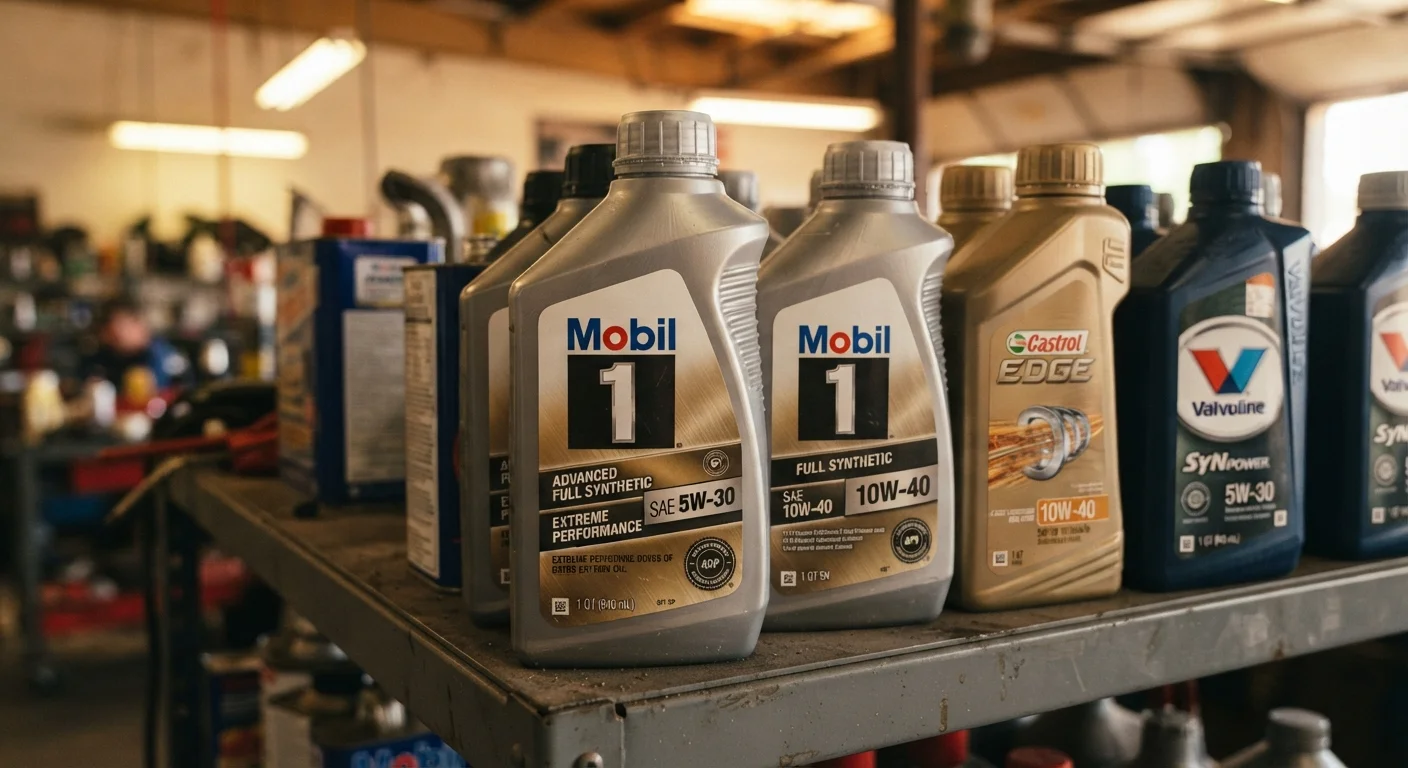
Photo: InsightsVilla.com | Quick Search. Right Info editorial
Key Takeaways
- The 'W' in a viscosity rating stands for Winter, not weight - it describes cold-temperature flow.
- The number before the W indicates cold-start performance; the number after indicates high-temperature behavior.
- Your owner's manual specifies the correct viscosity grade - that is the single most reliable source to consult.
- Using the wrong viscosity can reduce fuel efficiency and accelerate engine wear over time.
- Climate and driving conditions can influence which approved viscosity grade works best for your vehicle.
Breaking Down the Code: What Those Numbers Actually Represent
Pick up almost any bottle of motor oil and you'll see a rating like 5W-30, 0W-20, or 10W-40. These aren't arbitrary marketing codes - they're a standardized system developed by the Society of Automotive Engineers (SAE) to describe how oil flows under different temperature conditions.
Here's how to read them:
- The number before the W - This measures the oil's viscosity (resistance to flow) in cold temperatures. A lower number means the oil flows more easily when your engine is cold. So a 5W oil pumps through your engine faster on a frigid morning than a 10W oil does.
- The "W" - Stands for Winter, not weight. It signals that the first number is a cold-weather performance rating.
- The number after the W - This measures viscosity at normal engine operating temperature, typically around 212°F (100°C). A higher number means the oil maintains a thicker film at heat, which some engines and climates require.
So 5W-30 flows well in cold conditions and maintains a moderate viscosity when your engine is fully warmed up. The combination is what makes modern multi-grade oils so practical - one bottle handles a wide temperature range.
5-10%
Potential fuel economy loss from incorrect viscosity
The U.S. Department of Energy has noted that using a heavier viscosity than recommended can reduce fuel economy by a measurable margin in typical driving conditions.
~40%
Of engine wear occurs during cold starts
Industry lubrication engineers widely cite cold-start conditions as a primary contributor to engine wear, underscoring why the 'W' rating matters as much as the operating-temperature number.
Why the Right Viscosity Grade Matters
Your engine was designed with tight tolerances between moving metal parts. Oil creates a protective film between those surfaces - if the oil is too thin, that film breaks down under heat and load. If it's too thick, it won't circulate quickly enough during a cold start, which is when a significant portion of engine wear actually occurs.
Using the viscosity grade your manufacturer specifies keeps that film intact across the conditions your engine actually encounters. Straying outside those specs - even with a high-quality oil - can quietly erode engine protection over thousands of miles.
Always Start With Your Owner's Manual
For more on how oil type interacts with viscosity, see our guide to synthetic vs. conventional motor oil, which covers how the base oil affects performance alongside the grade.
How Climate and Driving Conditions Factor In
Many vehicles have a primary viscosity recommendation and a secondary option for extreme climates. Drivers in Minnesota winters may benefit from a 0W or 5W cold rating for faster lubrication on startup. Drivers in consistently hot, arid regions may find a higher second number provides a slightly more stable film at sustained high temperatures.
That said, modern multi-grade oils are engineered to handle broad temperature ranges, and most drivers in moderate U.S. climates will do perfectly well following the single specification in their owner's manual without adjustment.
Viscosity Grade ≠ Oil Quality
It's also worth separating viscosity from the oil-change interval myths that lead many drivers to spend more than necessary. Our fact-check of common car maintenance myths addresses some of those misconceptions directly.
One Rule That Overrides Everything Else
Whatever the label on the bottle says, whatever a friend recommends, or whatever was cheapest on the shelf - your owner's manual is the definitive source for the correct viscosity grade for your engine. Manufacturers engineer and test their engines with specific oil specifications in mind, and those specs are printed in the manual for good reason.
If you've lost your manual, most automakers publish them online through their official websites, or your dealership's service department can confirm the correct spec. A qualified mechanic can also verify this during a routine service visit.
Understanding viscosity is just one piece of the broader picture of keeping your engine healthy. For a fuller look at how oil and other fluids protect your vehicle, see what happens when you neglect your car's fluids.
Frequently Asked Questions
The content on this site is for informational purposes only and is not a substitute for professional advice. Always consult a qualified professional for guidance specific to your situation.