
Camera Megapixels Are Just One Piece of the Puzzle

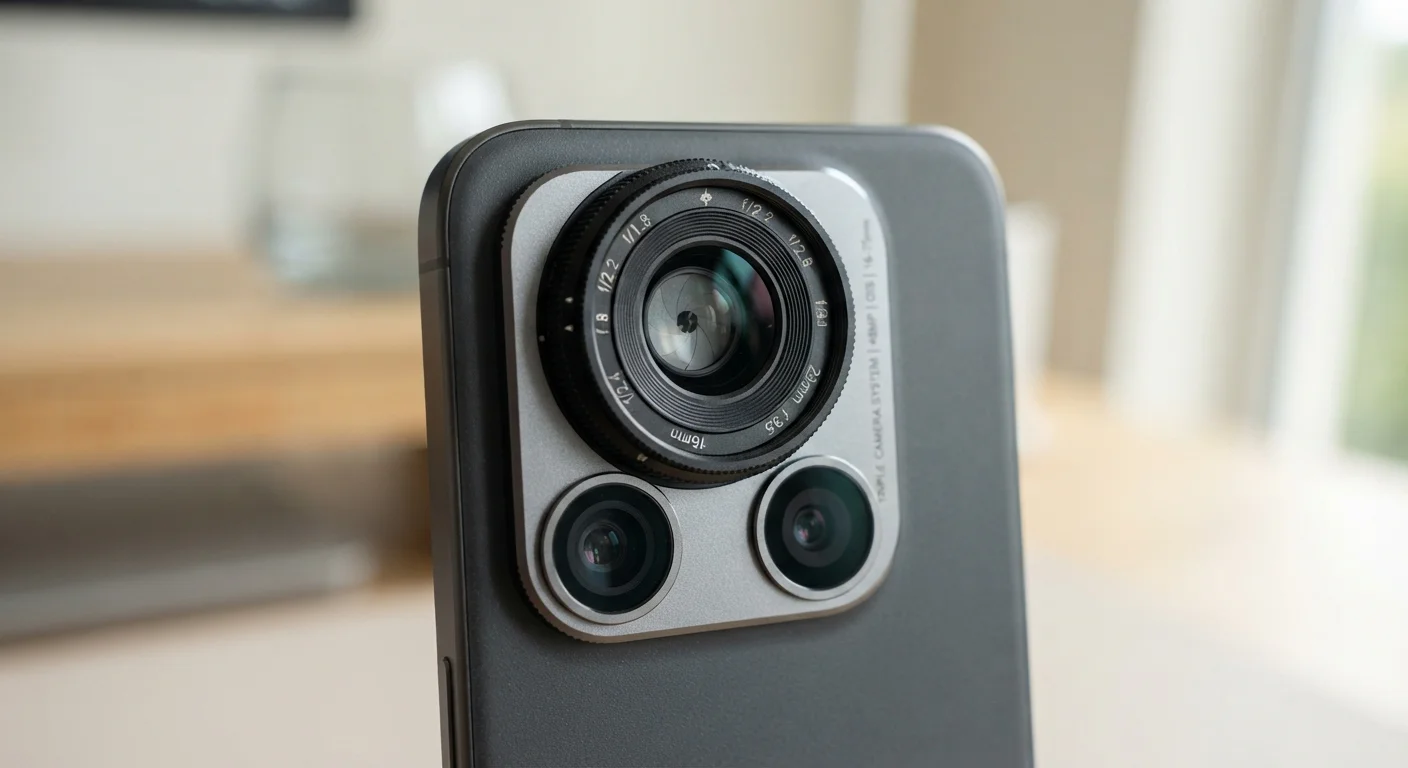
Photo: InsightsVilla.com | Quick Search. Right Info editorial
Key Takeaways
- Megapixels measure resolution only - not color accuracy, low-light performance, or sharpness.
- Sensor size and pixel size often matter more than megapixel count for real-world photo quality.
- A wider aperture (lower f-number) lets in more light, dramatically improving night shots.
- Modern phones rely heavily on software processing to produce the final image you see.
- A 12-megapixel phone can outperform a 108-megapixel phone in many everyday shooting conditions.
Why Megapixels Became the Default Selling Point
When smartphone cameras first appeared in marketing materials, megapixels were easy to compare - a bigger number sounded straightforwardly better. That logic stuck. Today, many shoppers still scan spec sheets and assume the phone with the highest megapixel count takes the best photos. It's an understandable shortcut, but it regularly leads people to the wrong conclusion.
Megapixels tell you how many pixels an image contains. More pixels means you can print larger or crop more aggressively without losing detail. What megapixels don't tell you: how well the camera performs in dim light, how accurately it renders color, how stable a shot looks when your hand moves, or how much usable detail the lens actually resolves. Those outcomes depend on a different set of factors entirely.
For a broader look at how phone specs translate to real-world performance, see what your phone's specs actually mean in plain English.
12 MP
Resolution used by many flagship phones for years
Several highly regarded flagship smartphones shipped with 12-megapixel main sensors well into the 2020s, outperforming higher-megapixel competitors in independent camera evaluations.
~1µm
Typical pixel size on high-megapixel phone sensors
Pixels on densely packed high-megapixel sensors can measure around one micrometer - roughly 50 times smaller than the width of a human hair - limiting how much light each captures.
f/1.5
Among the widest apertures found on smartphone cameras
Some flagship phone cameras have shipped with f/1.5 aperture options, letting in significantly more light than a typical f/2.4 lens on budget devices.
Sensor Size: The Factor That Outweighs the Pixel Count
The image sensor is the physical chip inside your camera that captures light. Its size has an outsized influence on photo quality - more so than megapixels for most users. A larger sensor gathers more light, which directly translates to better performance in anything other than bright daylight: richer colors, less visual noise (that grainy texture in dark photos), and more natural background blur.
Here's the complication: cramming more megapixels onto the same-sized sensor means each individual pixel gets smaller. Smaller pixels capture less light. That's why a phone with 12 large pixels can outperform one with 108 tiny pixels when you're shooting indoors or at dusk. Manufacturers sometimes use pixel-binning - a technique that merges adjacent pixels to simulate a larger, more light-sensitive unit - to partially address this, but it's a software workaround for a hardware constraint.
Aperture, Stabilization, and the Software Layer
Aperture is the opening in the lens through which light passes. It's described with an f-number: f/1.6, f/2.0, f/2.4. A lower f-number means a wider opening and more light reaching the sensor. In low-light photography, aperture can be the single biggest variable in whether a shot comes out usable or blurry.
Optical Image Stabilization (OIS) physically moves the lens or sensor to compensate for hand movement. This matters for both still photos and video - especially in low light, where the shutter stays open longer and any shake registers as blur. Electronic image stabilization (EIS) achieves something similar through software cropping, but it's generally less effective than OIS.
Then there's computational photography - arguably the biggest game-changer of the past decade. When you press the shutter, your phone may be capturing dozens of frames, merging them, applying AI-based noise reduction, and selectively sharpening edges - all before you see the final image. This software layer is a major reason that the overall camera system, not any single spec, determines what your photos actually look like.
“The best camera is the one that has the best combination of optics, sensor technology, and image processing - not necessarily the one with the most megapixels on the spec sheet.”
— Marc Levoy, Computational photography researcher and former lead of Google's camera team
Curious about other common tech misconceptions? smartphone myths that most users still believe covers more of the same territory.
How to Read Camera Specs More Usefully
When evaluating a phone's camera, treat megapixels as a starting point rather than a conclusion. Look for sensor size when it's listed (larger physical dimensions are better). Check the aperture on the main lens - f/1.8 or lower is a practical benchmark for versatile performance. Verify whether OIS is present, particularly if you shoot video or in lower light.
Also consider how many lenses the phone has and what they cover. An ultrawide lens expands your compositional options. A dedicated telephoto matters if you frequently zoom in on distant subjects. Using your smartphone as your only camera explores these real-world trade-offs in more depth.
Test With Real-World Shots Before Deciding
The most reliable method remains looking at sample images taken with the camera in conditions similar to how you actually shoot - not reading spec sheets in isolation.
Frequently Asked Questions
The content on this site is for informational purposes only and is not a substitute for professional advice. Always consult a qualified professional for guidance specific to your situation.