
Grain-Free vs. Grain-Inclusive Pet Diets: What the Science Says So Far

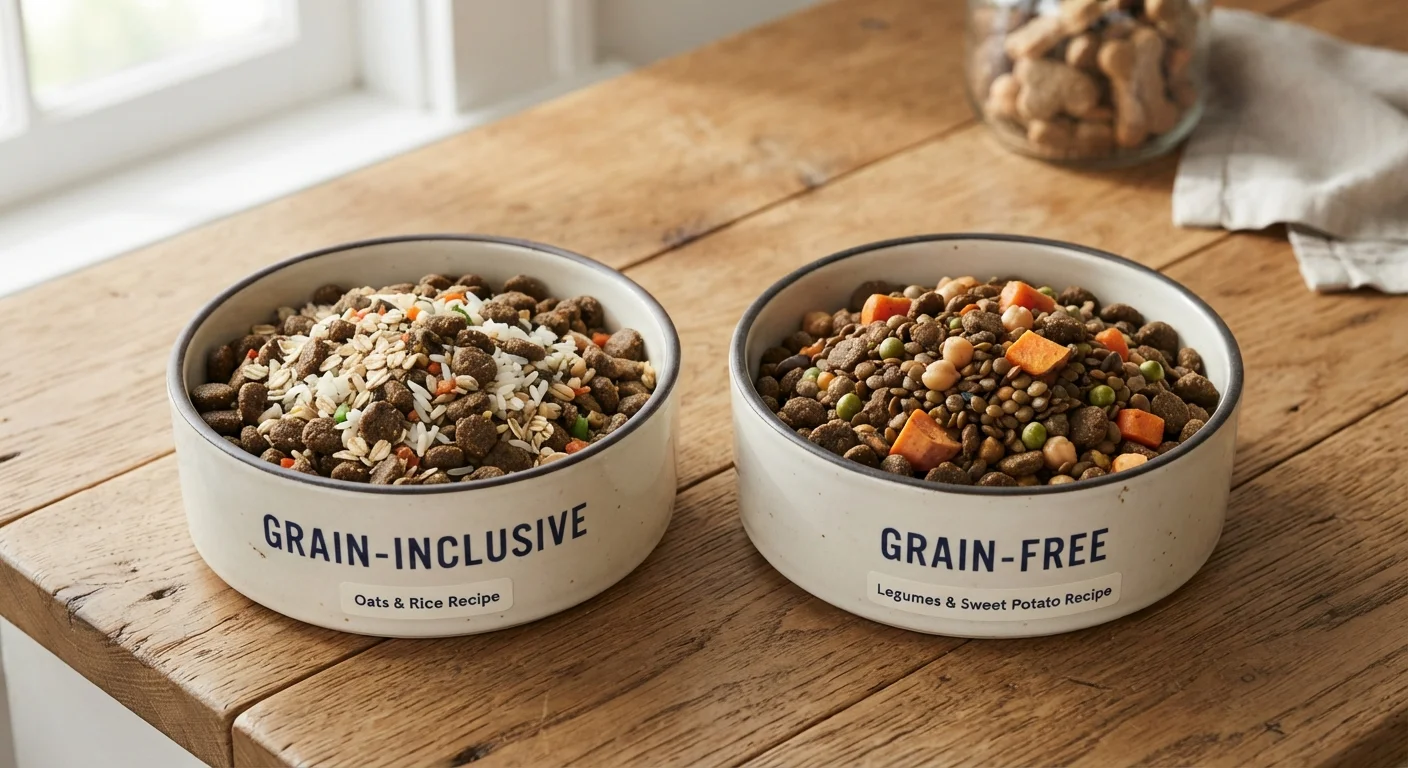
Photo: InsightsVilla.com | Quick Search. Right Info editorial
Key Takeaways
- The FDA has been investigating a potential link between grain-free diets and dilated cardiomyopathy (DCM) in dogs since 2018.
- True grain allergies in pets are uncommon - protein sources are a more frequent trigger of food sensitivities.
- Grain-inclusive diets have decades of nutritional research supporting their safety and completeness.
- Neither diet is universally superior; the right choice depends on your individual pet's health needs.
- Always consult a veterinarian or board-certified veterinary nutritionist before switching your pet's diet.
The Rise of Grain-Free Diets - and Why the Debate Matters
Grain-free pet foods surged in popularity through the 2010s, largely driven by the parallel human wellness trend toward low-carbohydrate and gluten-free eating. Marketing often framed grains as unnecessary fillers or allergens. The reality, according to veterinary nutritionists, is considerably more layered.
Grains such as rice, oats, barley, and corn have been included in commercial pet foods for decades. They contribute digestible carbohydrates, fiber, and micronutrients. Grain-free formulas typically substitute these ingredients with legumes (lentils, peas, chickpeas) or starchy vegetables like potatoes and sweet potatoes - swaps that change a diet's nutritional profile in ways researchers are still studying.
Understanding what each approach actually delivers - and what the current evidence does and doesn't support - helps owners make decisions grounded in science rather than marketing. For a broader look at how ingredient lists reflect those choices, see our guide on what pet food labels are actually telling you.
Head-to-Head: Key Differences Between the Two Approaches
The practical differences between grain-free and grain-inclusive diets extend well beyond the ingredient list. Below is a direct comparison across the dimensions that matter most to pet owners and veterinarians.
| Criterion | Grain-Free | Grain-Inclusive |
|---|---|---|
| Primary carb sources | Legumes, potatoes, sweet potatoes | Rice, oats, barley, corn, wheat |
| Years of feeding research | Relatively limited (post-2010s mainstream) | Decades of documented safety data |
| FDA cardiac concern (DCM) | Under active investigation | Not currently implicated |
| Appropriate for grain allergy | Yes, if vet-confirmed | No - avoid confirmed allergen |
| Total carbohydrate content | Often similar to grain-inclusive | Varies by formula |
| AAFCO-compliant options available | Yes | Yes |
| Vet recommendation trend | Caution advised without indication | Generally considered first-line choice |
One distinction worth emphasizing: "grain-free" does not mean "lower carbohydrate." Legumes and potatoes are also carbohydrate-dense ingredients. A grain-free diet may contain as many or more total carbohydrates than a grain-inclusive one, just from different sources. This matters because some owners choose grain-free specifically to reduce carbs - an assumption the label alone doesn't confirm. Learning to read guaranteed analysis panels helps clarify this; our article on reading a pet food label without getting lost in the fine print walks through that process.
The FDA's DCM Investigation: What We Know and What Remains Uncertain
In July 2018, the U.S. Food and Drug Administration (FDA) announced it was investigating a potential association between certain grain-free diets and dilated cardiomyopathy (DCM) - a serious heart condition - in dogs. The investigation focused particularly on diets listing legumes, lentils, or potatoes among the first several ingredients.
About the FDA's DCM Investigation
Importantly, the FDA investigation has not established a direct causal link as of its most recent public updates. The association is being studied, not confirmed as causation. Researchers have proposed several possible mechanisms - including reduced taurine bioavailability related to certain legume compounds - but the picture remains incomplete. DCM can also have genetic causes, particularly in breeds like Doberman Pinschers, Boxers, and Great Danes.
What most veterinary cardiologists have consistently recommended during this period: if your dog is eating a grain-free, legume-heavy diet, discuss the question with your vet, especially if your dog is a large breed or shows any signs of reduced exercise tolerance or breathing difficulty. This is not a call for alarm, but for informed conversation.
Allergies, Sensitivities, and When Grain-Free Is Genuinely Warranted
One of the most persistent myths in the grain-free debate is that grains are common allergens for pets. Veterinary dermatologists consistently report that the most frequent food allergens in dogs are animal proteins - beef, dairy, and chicken - not grains. A 2016 review published in Veterinary Dermatology found beef, dairy, and wheat to be the top three reported allergens in dogs, but wheat reactions were far less common than protein-source reactions.
True grain intolerance or allergy does occur in a minority of pets and, when confirmed through a proper elimination diet trial supervised by a vet, grain-free feeding can be a reasonable part of a management strategy. The critical word is confirmed. Self-diagnosing a grain allergy without professional guidance and switching diets accordingly is not recommended - it may mask other issues and could expose your pet to an uncharacterized cardiac risk without delivering a genuine therapeutic benefit.
For pets with documented food sensitivities, how raw and commercial diets differ nutritionally is a related question worth exploring alongside your veterinarian.
~1-2%
Dogs with true food allergies
Veterinary estimates suggest true food allergies affect a small minority of dogs, with protein sources more commonly implicated than grains.
500+
DCM cases reported to the FDA
The FDA reported receiving over 500 DCM case reports involving dogs eating grain-free diets between 2014 and 2019, prompting its ongoing investigation.
~77%
Reported DCM cases involving legume-heavy diets
FDA data indicated that the vast majority of DCM cases it reviewed involved diets listing peas, lentils, or potatoes among the top ingredients.
Making an Informed Decision With Your Veterinarian
The current scientific consensus does not condemn grain-free diets outright, nor does it endorse them as superior. What the evidence supports is a more cautious, individualized approach:
- No confirmed grain sensitivity? A nutritionally complete, grain-inclusive diet meeting AAFCO (Association of American Feed Control Officials) nutritional adequacy standards remains a well-supported choice.
- Considering grain-free? Discuss it with your vet before switching. Ask whether there is a specific health reason that justifies it for your pet.
- Already feeding grain-free? Watch for any signs of lethargy, reduced exercise tolerance, or coughing - and schedule a veterinary check-in to discuss your pet's cardiac health if you have concerns.
Diet decisions sit within a larger picture of your pet's weight, age, activity level, and breed-specific needs. No single label claim - "grain-free," "ancestral," "natural" - substitutes for a complete nutritional profile evaluated by a professional. Understanding what those labels actually communicate is a practical first step; our piece on wet food vs. dry food trade-offs covers related considerations about format and formulation.
This article is for general informational and educational purposes only and does not constitute veterinary or medical advice. Always consult a licensed veterinarian or board-certified veterinary nutritionist before making changes to your pet's diet.
The content on this site is for informational purposes only and is not a substitute for professional advice. Always consult a qualified professional for guidance specific to your situation.