
Safe and Unsafe Foods for Common Household Pets

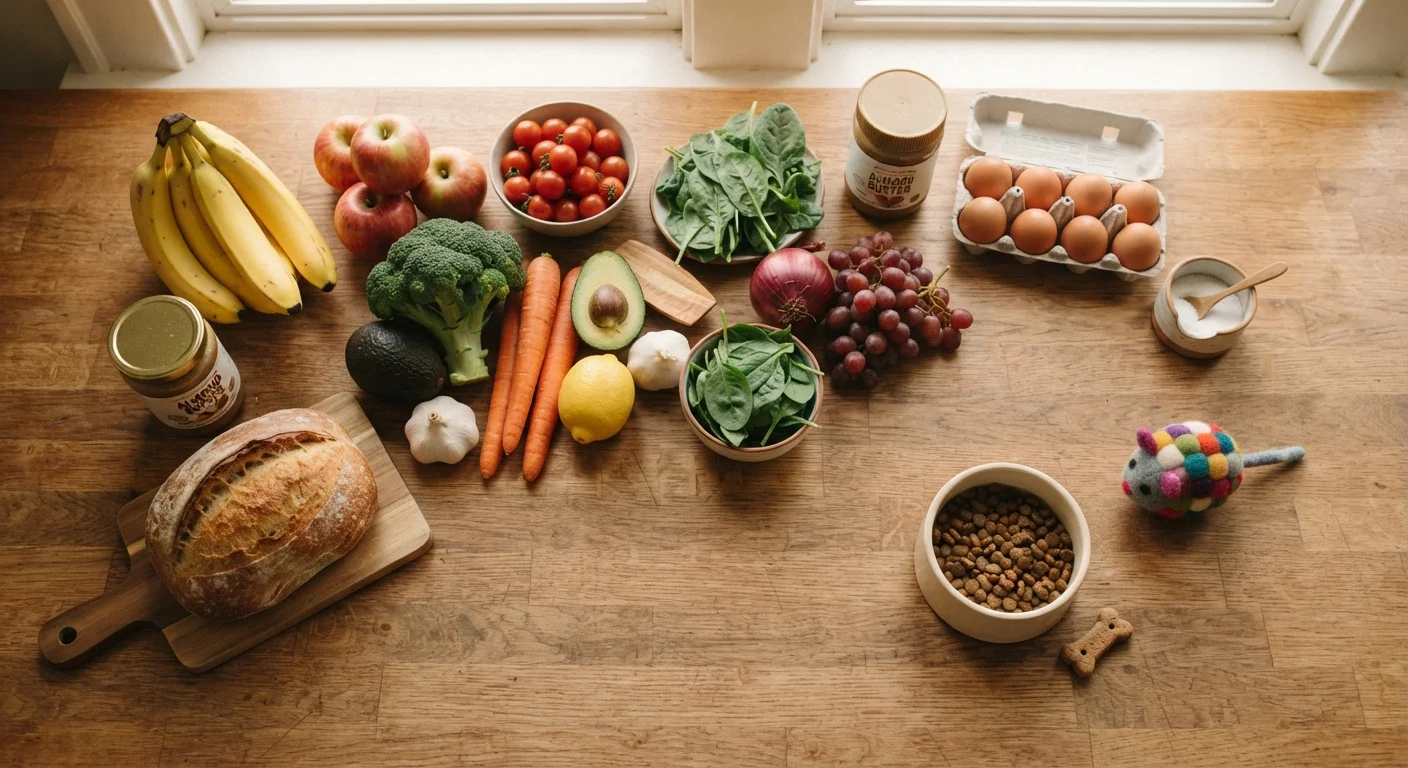
Photo: InsightsVilla.com | Quick Search. Right Info editorial
Why Human Foods Can Be Dangerous for Pets
Sharing a bite of your meal with a curious pet feels harmless, but animals process food very differently than humans do. Enzymes, metabolic pathways, and organ capacities vary significantly between species - meaning a food that is perfectly nutritious for you can be toxic or even fatal to a dog, cat, rabbit, or bird.
This guide covers the most important human foods to keep away from common household pets, explains why each is harmful, and identifies a handful that are generally considered safe in small amounts. For a broader look at how your pet's environment shapes its nutrition needs, see our guide to indoor vs. outdoor pet care.
This article is for general informational purposes only and is not a substitute for veterinary advice. If you suspect your pet has ingested a toxic substance, contact your veterinarian or an animal poison control hotline immediately.
| Most reported pet poisoning category | Human food and beverages (ASPCA Animal Poison Control Center annual reports) |
| Pets most commonly affected by food toxicity | Dogs (highest exposure rate) (Veterinary toxicology literature) |
| Xylitol danger threshold (dogs) | No safe amount established (FDA Consumer Updates on xylitol) |
| Grapes/raisins: safe dose | No safe dose known (ASPCA Poison Control guidance) |
| Theobromine toxicity: most dangerous form | Dark chocolate and baking chocolate (Merck Veterinary Manual) |
| Avocado toxin | Persin - toxic to most household pets (Veterinary toxicology consensus) |
Foods Toxic to Dogs and Cats
Dogs and cats share some common food sensitivities, though their thresholds and affected systems often differ.
#1
Category of pet poisoning calls annually
Human food and drink consistently top the ASPCA Animal Poison Control Center's list of reported exposure categories each year.
~25%
Pet ER visits tied to ingested toxins
A significant share of emergency veterinary visits involve accidental ingestion of toxic substances, including common household foods, according to veterinary emergency data.
No safe dose
For grapes and raisins in dogs or cats
Veterinary toxicologists have not identified a threshold below which grapes or raisins are considered safe; any amount should be treated as a potential emergency.
Dangerous for Both Dogs and Cats
- Onions, garlic, leeks, and chives - All members of the Allium family contain compounds that damage red blood cells, causing hemolytic anemia. Garlic is especially potent, and even dried or powdered forms are dangerous.
- Grapes and raisins - These can cause sudden, severe kidney failure in both dogs and cats, though the exact toxic mechanism is not yet fully understood. There is no established safe amount.
- Xylitol (artificial sweetener) - Found in sugar-free gum, candy, peanut butter, and some baked goods, xylitol triggers a dangerous insulin release in dogs, causing low blood sugar and potentially liver failure. Cats appear similarly at risk.
- Caffeine and chocolate - Both contain methylxanthines (theobromine in chocolate, caffeine in coffee and tea) that cause vomiting, rapid heart rate, seizures, and death at sufficient doses. Dark chocolate is more dangerous than milk chocolate.
- Alcohol - Even small amounts can cause vomiting, disorientation, respiratory distress, and hypoglycemia in pets.
Dogs Only: Additional Hazards
- Macadamia nuts - Can cause weakness, vomiting, tremors, and fever in dogs; the mechanism is unknown but effects are well documented.
- Cooked bones - Splintering cooked bones can puncture the digestive tract. Raw meaty bones carry separate bacterial risks and should only be offered under veterinary guidance.
For a deeper look at what goes into commercial pet food and how to read labels critically, visit our pet food label guide.
Foods Harmful to Rabbits and Birds
Small mammals and birds are often overlooked in food-safety discussions, yet they are among the most sensitive pets to dietary errors.
Rabbits
- Iceberg lettuce - Contains lactucarium, which can be harmful in large amounts. High water content also causes loose stools.
- Avocado - Persin, a toxin found throughout the avocado plant, is dangerous to most pets and particularly so for rabbits and birds.
- Rhubarb - Contains oxalic acid that can damage the urinary and digestive systems.
- Onions, garlic, and leeks - Same Allium risks apply; can cause blood disorders in rabbits.
- Nuts and seeds in excess - Too high in fat for a rabbit's digestive system.
Birds
- Avocado - Persin causes respiratory distress and heart failure in birds; even small amounts can be lethal.
- Chocolate and caffeine - As with dogs and cats, theobromine and caffeine are toxic to birds.
- Onions and garlic - Cause digestive irritation and potential blood-cell damage.
- Fruit pits and apple seeds - Contain amygdalin, which metabolizes into cyanide compounds. The flesh of apples is generally safe; seeds are not.
- Salt and high-sodium foods - Birds have very low sodium tolerance; salty snacks can cause excessive thirst, kidney dysfunction, and death.
Theobromine
A naturally occurring compound found in chocolate and tea that dogs and cats cannot metabolize efficiently. Accumulation in the body leads to cardiac and neurological symptoms and can be fatal in sufficient doses.
Persin
A fungicidal toxin present in avocado flesh, skin, pit, and leaves. It is harmful to most domestic animals, with birds being especially vulnerable to even small amounts.
Xylitol
An artificial sweetener used in many sugar-free products. In dogs, it triggers a rapid release of insulin, causing dangerous drops in blood sugar and potential liver damage.
Hemolytic anemia
A condition in which red blood cells are destroyed faster than the body can replace them. Allium vegetables (onions, garlic) are a documented dietary cause in dogs, cats, and rabbits.
Amygdalin
A naturally occurring compound found in fruit pits and apple seeds that the body can convert into hydrogen cyanide. Ingestion of seeds in quantity poses a cyanide poisoning risk for birds and small mammals.
Oxalic acid
An organic acid found in plants like rhubarb and spinach that, in high concentrations, can interfere with calcium absorption and damage the kidneys and urinary tract of rabbits.
Foods Generally Considered Safe (in Small Amounts)
A number of human foods are widely regarded as safe for pets in modest, occasional quantities - but "safe" is always species-specific and portion-dependent. Always introduce new foods gradually and watch for digestive upset.
| Food | Safe For | Notes |
|---|---|---|
| Plain cooked chicken (no seasoning) | Dogs, Cats | Excellent lean protein; avoid any added salt, garlic, or onion |
| Blueberries | Dogs, Birds (in moderation) | Rich in antioxidants; low calorie treat for dogs |
| Carrot sticks | Dogs, Rabbits | Low in calories, good for dental chewing; high sugar means moderation for rabbits |
| Plain cooked pumpkin | Dogs, Cats | Supports digestive health; avoid pumpkin pie filling with added sugar and spices |
| Leafy greens (romaine, arugula) | Rabbits, Birds | Core diet staple for rabbits; appropriate variety is key |
These are general guidelines, not individualized recommendations. Pets with existing health conditions - such as kidney disease, diabetes, or food allergies - may have very different tolerances. Always consult your veterinarian before introducing new foods, particularly for senior pets or those on medication. You can also explore the Pet Health & Wellness hub for broader nutrition and preventive care guidance.
Misconceptions about pet diets are common. Our article on common pet care myths addresses several widely held beliefs that veterinarians frequently need to correct.
The content on this site is for informational purposes only and is not a substitute for professional advice. Always consult a qualified professional for guidance specific to your situation.