
Why Dogs Circle Before Lying Down

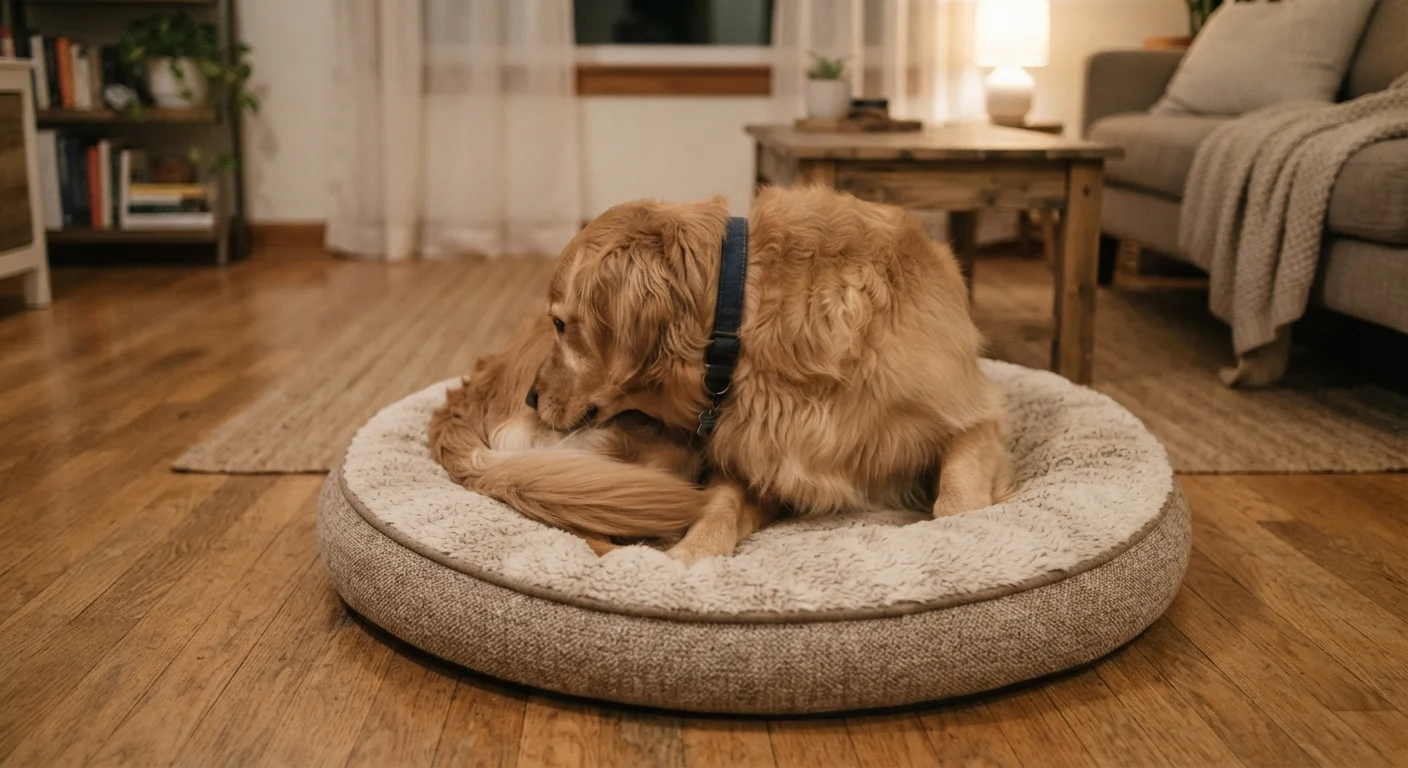
Photo: InsightsVilla.com | Quick Search. Right Info editorial
Key Takeaways
- Dogs circle before lying down due to instincts inherited from wild ancestors, not arbitrary habit.
- The behavior helps dogs check for hazards, regulate body temperature, and signal safety to themselves.
- Most circling is completely normal; excessive or compulsive spinning can warrant a vet visit.
- Understanding this ritual helps owners better read their dog's overall body language and comfort needs.
An Ancient Habit in a Modern Living Room
Watch your dog prepare for a nap and you will almost certainly witness the ritual: nose down, a pivot to the left or right, one or two full rotations, then a satisfied collapse. It looks almost deliberate - because, in an evolutionary sense, it is.
Domestic dogs share this behavior with wolves, coyotes, and other wild canids. That shared ancestry is the key. Before dogs had memory-foam beds and climate-controlled homes, their predecessors slept outdoors in tall grass, shrubs, and uneven terrain. Circling served immediate, practical survival functions that natural selection reinforced over thousands of generations.
Understanding why dogs still do this - even on plush dog beds - tells us something important about how deeply instinct shapes behavior, and how that instinct persists long after the original need has disappeared. Just as humans have their own pre-sleep rituals that signal the brain it is time to rest (much like a structured wind-down routine), dogs rely on this physical sequence to transition into rest.
The Three Main Reasons Dogs Circle
Researchers and veterinary behaviorists point to several overlapping explanations, each rooted in survival logic:
1. Flattening the Sleeping Surface
Wild canids slept in vegetation - grasses, leaves, brush. Circling tramples that material into a more even, comfortable nest. It also flushes out insects, small reptiles, or other hidden hazards before the animal commits to lying down. Even though your dog's bed poses no such threat, the motor pattern remains intact.
2. Thermoregulation
Circling may also help a dog orient its body relative to the wind. In the wild, curling up with the nose tucked toward the tail and a back facing into the breeze reduces heat loss. The circling motion helps the animal calibrate that position before settling. On warm nights, some dogs angle differently - the same instinct, adjusted for temperature.
3. Scent Marking and Territory
Dogs have scent glands in their paw pads. Circling deposits subtle scent signals onto the sleeping area, communicating to other animals that this spot is claimed. In a multi-pet household, you may notice dogs being more deliberate about this ritual on shared bedding.
15,000+
Years dogs have lived alongside humans
Despite millennia of domestication, many ancestral canine behaviors - including pre-sleep circling - remain intact across virtually all breeds.
~360°
Average rotation per circling bout
Behavioral observations of domestic dogs suggest most complete one to three full rotations before settling, mirroring patterns seen in wild canids.
When Circling Is More Than Just Instinct
For the vast majority of dogs, pre-sleep circling is benign and requires no intervention. However, there are circumstances where the behavior warrants closer attention.
Dogs experiencing joint pain or arthritis may circle repeatedly because they cannot find a comfortable position. Watch for accompanying signs: hesitation before lying down, audible discomfort, or difficulty rising. Similarly, some neurological conditions can cause compulsive circling that is unrelated to sleep preparation and occurs throughout the day.
Behavioral factors also matter. A dog experiencing heightened anxiety may circle more than usual as a self-soothing mechanism - a sign worth noting alongside other stress indicators. Learning to read these signals clearly is part of understanding your pet's full behavioral profile; our guide to reading body language in cats and dogs covers a broader range of physical cues that can help you interpret what your pet is communicating.
Support Your Dog's Circling Ritual
If you are uncertain whether your dog's circling is normal, a veterinary checkup is always the right first step. Never assume repetitive behavior is purely instinctual without ruling out physical causes.
What This Behavior Tells Us About Dogs as a Species
Pre-sleep circling is a small but vivid window into how evolution shapes behavior across millennia. Dogs have lived alongside humans for an estimated 15,000 years or more, yet they retain motor patterns calibrated for a world of open grasslands and predator threats that no longer apply to most of their lives.
This persistence is not a flaw - it is a reminder that instinct and environment do not always update at the same pace. Recognizing these inherited behaviors helps owners respond with more empathy and less frustration. A dog that circles for a full minute before settling is not being difficult; it is running an ancient, automatic program that once kept its ancestors alive.
Canine behavior like this is also worth considering alongside other puzzling habits. For instance, the restlessness and repetitive behaviors sometimes mistaken for anxiety may actually be boredom - a distinction explored in our article on separation anxiety vs. boredom in dogs.
This article is for general informational purposes only and is not a substitute for professional veterinary advice. Always consult a licensed veterinarian if you have concerns about your dog's health or behavior.
Frequently Asked Questions
The content on this site is for informational purposes only and is not a substitute for professional advice. Always consult a qualified professional for guidance specific to your situation.