
Separation Anxiety vs. Boredom in Dogs: Telling the Two Apart

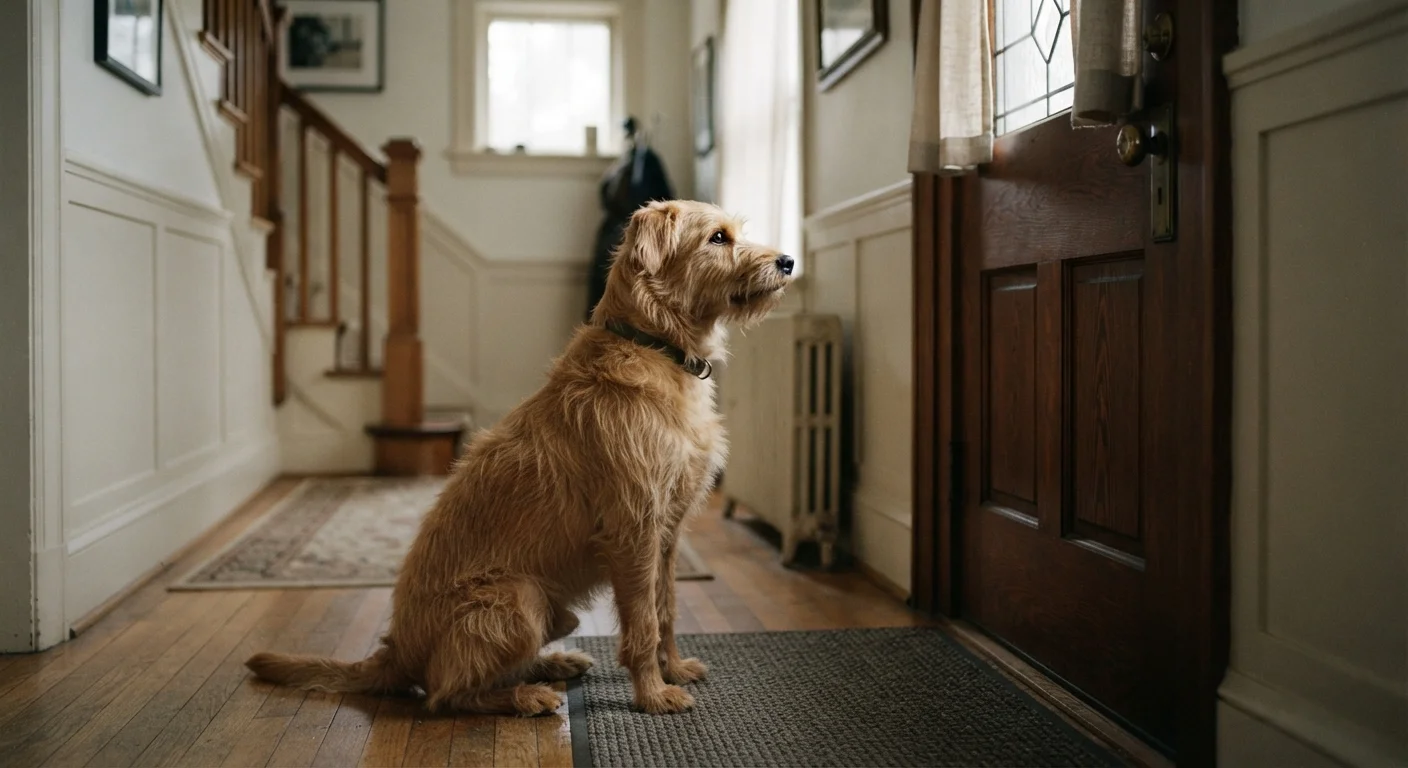
Photo: InsightsVilla.com | Quick Search. Right Info editorial
Key Takeaways
- Separation anxiety is triggered by your departure; boredom builds gradually throughout the day.
- Anxious dogs typically show distress within minutes of being left alone - bored dogs act out later.
- Destructive behavior, barking, and house-soiling appear in both conditions but for different reasons.
- Boredom often resolves with more exercise and enrichment; separation anxiety usually requires structured behavioral intervention.
- A veterinarian or certified applied animal behaviorist should assess suspected separation anxiety before treatment begins.
Why the Distinction Matters
Chewed furniture, barking complaints from neighbors, and accidents indoors are frustrating - but they don't automatically point to the same problem. Separation anxiety and boredom share a surface-level profile of "bad behavior when alone," yet they stem from entirely different psychological states. Treating a bored dog as though it has anxiety (or vice versa) wastes time, misses the underlying need, and can sometimes make things worse.
Separation anxiety is classified by animal behaviorists as a genuine stress response. The dog is not misbehaving out of spite or habit - it is experiencing distress because its primary attachment figure has disappeared. Boredom, by contrast, is a motivational state: the dog has energy, curiosity, and a drive to engage with its environment, but has no appropriate outlet. Understanding which state your dog is in shapes every decision that follows.
For a broader look at how under-stimulation shows up across pets, see why pets get bored and what it looks like.
How Each Condition Looks in Practice
The clearest diagnostic clue is timing. Dogs with separation anxiety typically begin showing distress within the first 15-30 minutes after departure - sometimes within seconds. They may whine, pace, bark continuously, or attempt to escape. If you have a pet camera, you'll often see the distress spike right after you leave and then plateau or persist. The behavior is linked to your absence, not to the length of time alone.
Bored dogs, by contrast, tend to be fine initially and then ramp up destructive behavior as the day drags on. They're working through excess energy with whatever is available - a shoe, a couch cushion, a trash can. These dogs often settle quickly once given appropriate outlets.
| Criterion | Separation Anxiety | Boredom |
|---|---|---|
| Core cause | Fear of being without attachment figure | Insufficient stimulation or activity |
| Onset after departure | Within minutes | Later in the day |
| Reaction to departure cues | Anticipatory distress (panting, pacing) | Little to no reaction |
| Behavior with a sitter present | Often improves significantly | May not change without enrichment |
| Response to more exercise | Partial relief at most | Often resolves or reduces markedly |
| Primary intervention | Desensitization; possible vet consultation | Enrichment, exercise, environmental changes |
Another telling sign: how your dog responds to your pre-departure routine. If grabbing your keys or putting on your coat triggers visible agitation - panting, trembling, following you from room to room - that anticipatory anxiety is a strong indicator of separation anxiety. A bored dog typically doesn't react to those cues at all.
It's also worth noting that some dogs show withdrawal or social changes alongside these behaviors. Our article on signs a normally social pet is withdrawing explores overlapping behavioral signals worth watching for.
Management Approaches: Where They Diverge
Boredom responds well to practical environmental changes. Increasing daily aerobic exercise, rotating enrichment toys, offering food puzzles, and providing a window view or background sound can meaningfully reduce boredom-driven behavior within days. The dog's emotional baseline is fine - it simply needs more to do.
Separation anxiety requires a more structured approach. The evidence-based method is systematic desensitization: gradually and repeatedly exposing the dog to departure cues and short absences so that being alone stops predicting distress. This process takes weeks to months and is most effective when guided by a certified applied animal behaviorist (CAAB) or a veterinary behaviorist. In moderate to severe cases, a veterinarian may also discuss whether supportive medication is appropriate - that decision belongs entirely to a qualified professional.
~17%
Dogs estimated to have separation anxiety
Research published in veterinary behavioral literature estimates that separation anxiety affects roughly 14-20% of the domestic dog population, making it one of the most commonly diagnosed behavioral conditions.
15-30 min
Typical anxiety distress window after departure
Studies using in-home cameras show that the majority of separation anxiety behaviors occur in the first 30 minutes after the owner leaves, distinguishing the pattern from general boredom.
For a research-grounded overview of anxiety management strategies, stress and anxiety in pets: causes, signals, and evidence-based approaches is a useful companion read.
This article provides general educational information about dog behavior and is not a substitute for professional veterinary or behavioral assessment. If your dog's distress is severe or has escalated, consult a licensed veterinarian or certified animal behaviorist.
The content on this site is for informational purposes only and is not a substitute for professional advice. Always consult a qualified professional for guidance specific to your situation.