
The Banking Terms Glossary Every Account Holder Should Know

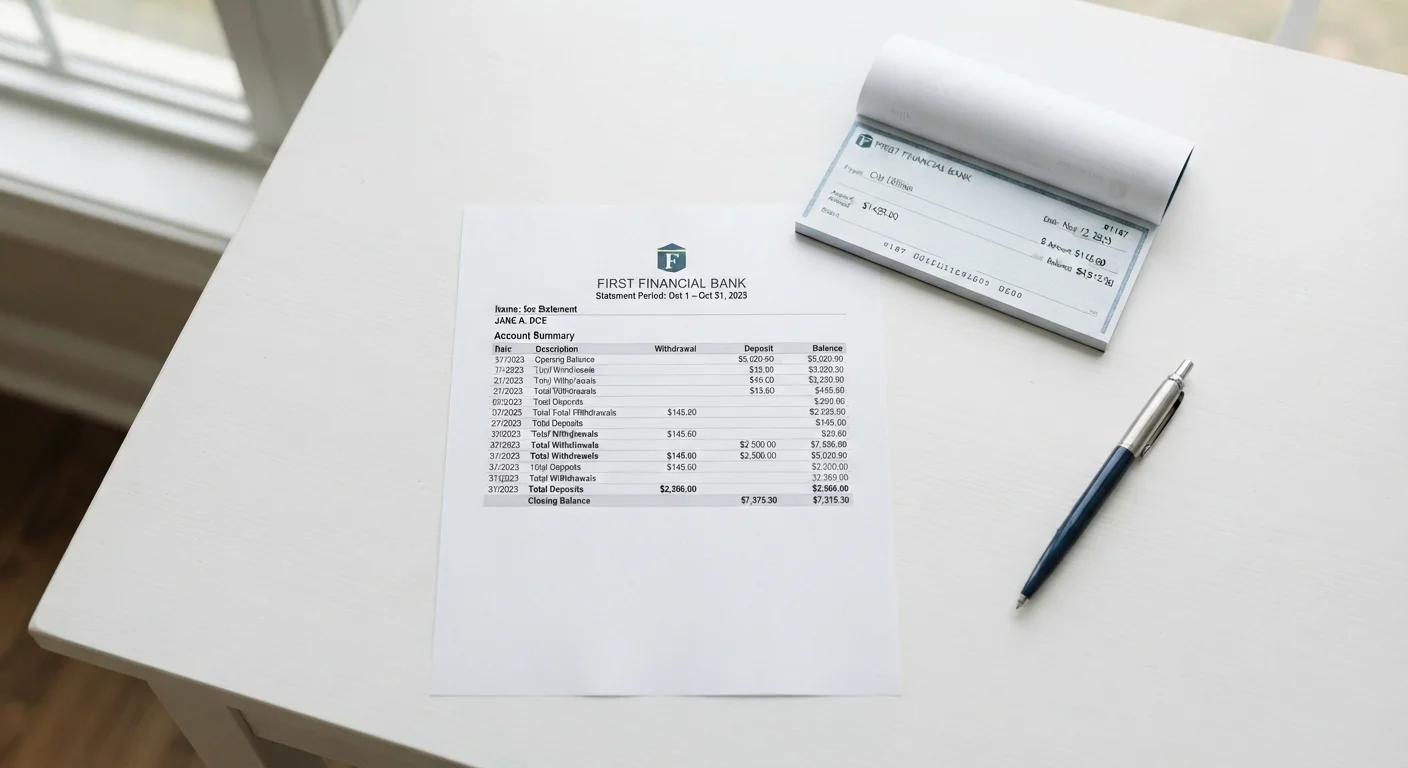
Photo: InsightsVilla.com | Quick Search. Right Info editorial
Why Banking Vocabulary Matters
Banks communicate in a language full of abbreviations and technical terms. If you've ever stared at a fee disclosure or account agreement wondering what half the words mean, you're not alone. Understanding these terms isn't just academic - it directly affects how much you pay in fees, how your money is protected, and how confidently you can compare accounts.
This glossary covers the terms that appear most often in everyday banking - whether you're reviewing a statement, setting up direct deposit, or shopping for a savings account. For terms related to borrowing and credit, see our credit and debt glossary.
This Is General Information, Not Advice
Core Terms Defined
The definitions below cover the vocabulary you're most likely to encounter as an everyday account holder. Bookmark this page and use it as a quick reference whenever unfamiliar language appears on a document or screen.
For a closer look at how these terms show up in practice, our guide to reading a bank statement walks through each section line by line.
Key Numbers and Thresholds at a Glance
Some banking concepts are easier to remember as specific numbers rather than definitions. The quick facts below highlight the figures that matter most.
| Standard FDIC coverage limit | $250,000 per depositor, per bank, per ownership category (FDIC.gov) |
| ACH network operator | Nacha (formerly NACHA - the Electronic Payments Association) |
| Routing number length | 9 digits |
| Typical CD terms | 3 months to 5 years |
| Compounding frequency (common) | Daily or monthly for most deposit accounts |
Keep in mind that FDIC coverage has nuances - joint accounts and retirement accounts, for example, may be insured separately from individual accounts. Our article on what FDIC insurance actually covers explains the details.
Putting It All Together
Knowing what these terms mean is a practical advantage. When you understand what an overdraft fee triggers, you can adjust your account settings to avoid it. When you know how APY and compounding work, you can tell at a glance whether one savings account is actually earning more than another. Many account holders pay fees they didn't realize were avoidable - our piece on common bank fee myths covers exactly that.
If you're newer to banking overall, Everyday Banking From Scratch is a good place to start. And once you feel comfortable with the vocabulary, building a simple banking setup walks through how to organize your accounts with a clear purpose for each.
This article is for general informational purposes only and does not constitute personalized financial advice. Consult a qualified financial professional for guidance specific to your situation.
The content on this site is for informational purposes only and is not a substitute for professional advice. Always consult a qualified professional for guidance specific to your situation.