
Secured vs. Unsecured Credit Cards for Building Credit

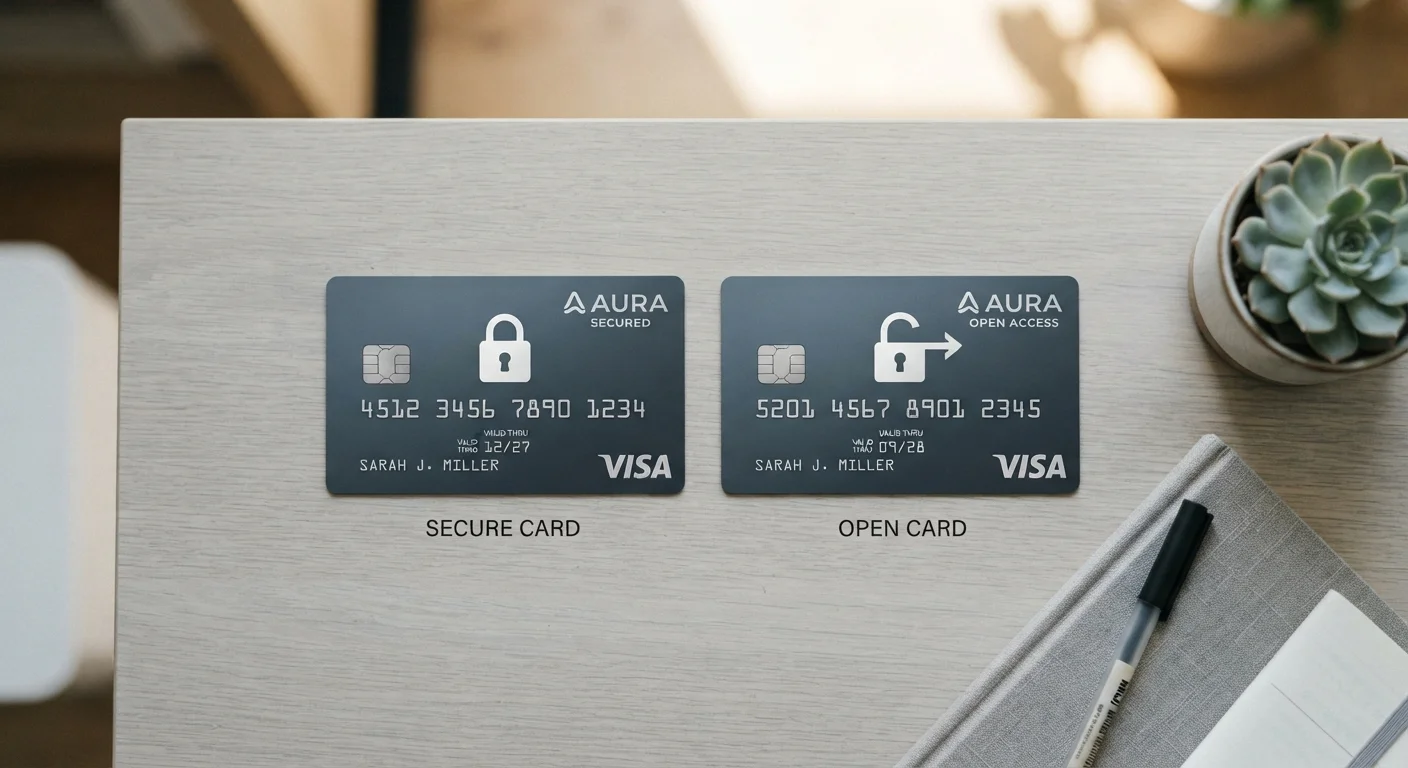
Photo: InsightsVilla.com | Quick Search. Right Info editorial
Key Takeaways
- Secured cards require an upfront cash deposit that typically becomes your credit limit.
- Both card types report to credit bureaus the same way - making either effective for building credit.
- Unsecured cards do not require a deposit but generally need some existing credit history to qualify.
- Fees and interest rates can be high on cards designed for credit-building - read the terms carefully.
- Moving from a secured to an unsecured card is a natural progression as your credit improves.
What Actually Separates These Two Card Types
The core difference between a secured and an unsecured credit card comes down to one thing: collateral. A secured credit card requires you to place a cash deposit with the card issuer before you can use the card. That deposit - often between $200 and $500 - typically becomes your credit limit and protects the lender if you don't pay. An unsecured credit card requires no deposit. Instead, approval is based on the lender's assessment of your creditworthiness, using your credit report, score, and income as the basis.
If you're new to the basics of borrowing, it's worth reading how credit works before you apply for anything. Understanding the foundation makes both card types easier to evaluate.
| Criterion | Secured Card | Unsecured Card |
|---|---|---|
| Deposit required | Yes - becomes your credit limit | No deposit needed |
| Approval difficulty | Easier - available with no credit | Requires some credit history |
| Credit bureau reporting | Reports to major bureaus | Reports to major bureaus |
| Typical credit limit | Equal to deposit amount | Set by issuer based on profile |
| Fees | Often higher; varies by issuer | Varies widely; can be lower |
| Path to upgrade | Issuer may convert; deposit returned | Already unsecured; limit may grow |
How Each Card Affects Your Credit
Here's the part that surprises many people: both card types report to the major credit bureaus the same way. From a credit-scoring perspective, a secured card is not a lesser product - it generates the same kind of account history. What actually matters is your behavior: paying on time, keeping balances low, and not opening too many accounts at once.
On-time payment history is the single largest factor in most credit scores. Whether your card is secured or unsecured, paying the statement balance in full - or at least making the minimum payment by the due date - every month is what moves the needle. Missing a payment hurts your score just as much with a secured card as with any other.
Credit utilization - how much of your available limit you're using - is the second-biggest factor. Keeping that ratio below 30% is a widely cited guideline, though lower is generally better. Learn how utilization is calculated and why lenders watch it closely to understand its full impact on your score.
35%
Share of FICO score from payment history
According to FICO, payment history is the single largest factor in a standard FICO credit score.
30%
Share of FICO score from amounts owed
FICO data shows credit utilization - how much of your available credit you're using - accounts for roughly 30% of your score.
Costs, Fees, and What to Watch For
Cards designed for credit-building - secured or unsecured - frequently carry higher fees and interest rates than cards marketed to people with strong credit. Annual fees, processing fees, and monthly maintenance fees are common. Interest rates (APR) can be well above average.
The practical advice: use the card for small, planned purchases and pay the balance in full each month. That way, you never carry a balance and the interest rate becomes irrelevant. The card's value is in the credit history it generates, not in borrowing power.
Also watch for habits that quietly damage credit over time, such as maxing out your limit or applying for several cards at once. These patterns can offset the progress you're making.
Your Deposit Is Yours - With a Catch
Moving Forward: The Natural Progression
A secured card is rarely a permanent arrangement. Many issuers review accounts after 12 to 18 months of responsible use and may upgrade you to an unsecured card, returning your deposit. You can also apply for an unsecured card on your own once your score has improved enough to qualify.
When you're ready to think longer-term, the habits that sustain credit health go beyond just having a card. Consistency over years - not a single product - is what builds a strong credit profile.
It's also worth understanding how credit cards fit into your broader credit mix. Revolving credit and installment loans affect your score differently, and knowing the distinction helps you make informed decisions as your credit life evolves.
This article is for general informational purposes only and does not constitute personalized financial or credit advice. Consider consulting a nonprofit credit counselor or licensed financial professional for guidance specific to your situation.
The content on this site is for informational purposes only and is not a substitute for professional advice. Always consult a qualified professional for guidance specific to your situation.