
Credit & Debt

Missteps That Quietly Damage Credit Over Time

Missteps That Quietly Damage Credit Over Time

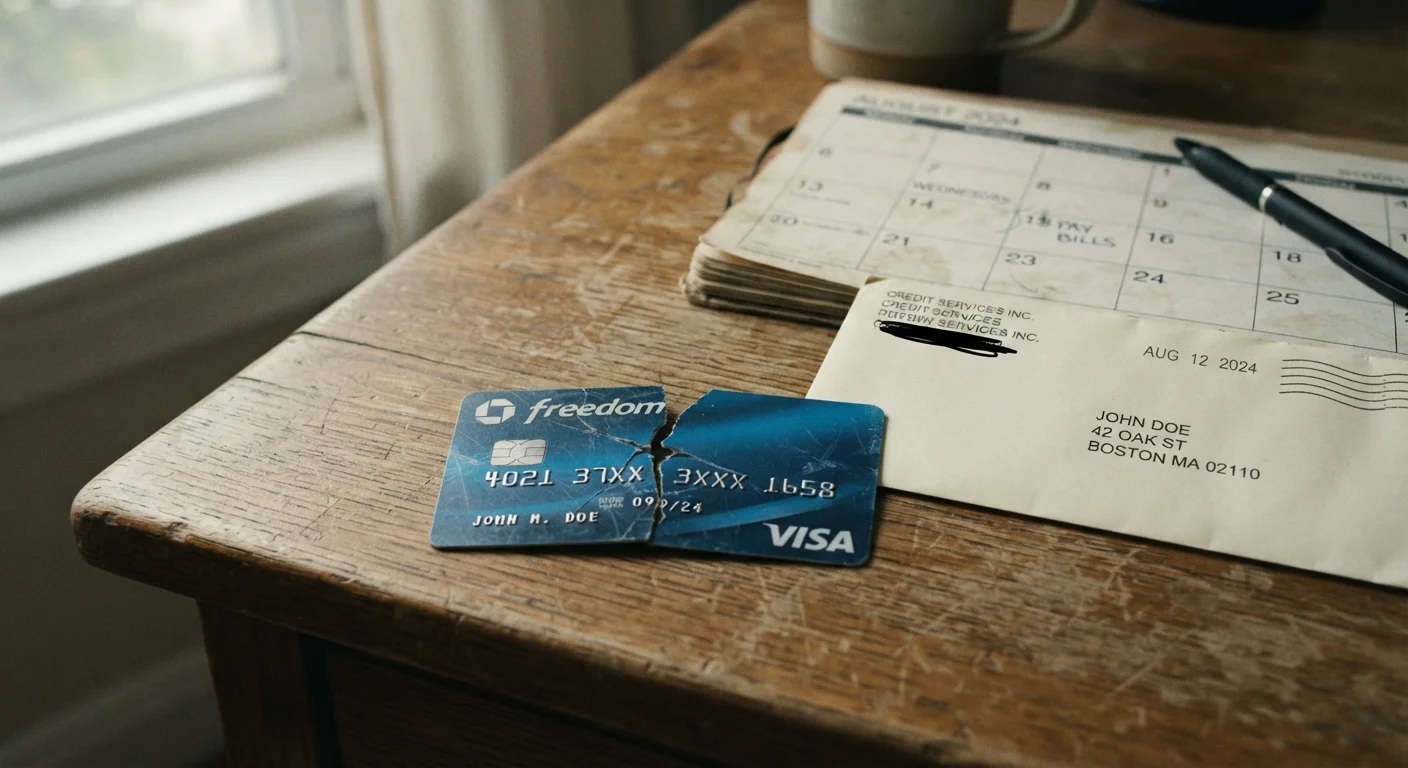
Photo: InsightsVilla.com | Quick Search. Right Info editorial

Some credit habits erode your score gradually and invisibly. Here are the patterns worth understanding—and what drives them.

Key Takeaways

  • Carrying high balances relative to your credit limit quietly lowers your score each month.
  • Closing old accounts shortens your credit history and can raise your utilization ratio.
  • Missing a single payment by 30 days can stay on your credit report for up to seven years.
  • Opening several new accounts in a short window signals risk to lenders and triggers hard inquiries.
  • Never checking your credit report means errors can drag down your score unnoticed for years.

Why Credit Damage Happens Gradually

Most people expect their credit score to drop after a dramatic event — a bankruptcy, a foreclosure, or a debt sent to collections. What catches many off guard is how much ordinary, everyday habits erode a score over months and years without a single dramatic event. The scoring models used by most lenders are sensitive to patterns, not just individual incidents.

Understanding which behaviors matter most — and why — is the foundation for keeping your credit on solid footing. If you'd like to test your assumptions first, common credit score myths is a useful starting point. The mistakes below are the ones that show up most consistently and do quiet, lasting damage.

30%

Weight of credit utilization in FICO scoring

According to FICO, amounts owed — primarily credit utilization — account for approximately 30% of a standard FICO score calculation.

7 years

How long a late payment stays on your report

Under the Fair Credit Reporting Act, most negative items, including late payments, can remain on a credit report for up to seven years.

1 in 5

Consumers with a credit report error

A Federal Trade Commission study found approximately one in five consumers had an error on at least one of their three major credit reports.

The Habits That Quietly Chip Away at Your Score

Credit scoring models weigh several factors: payment history, amounts owed, length of credit history, new credit inquiries, and the mix of account types. The mistakes that do the most consistent damage tend to affect the first two of those — payment history and amounts owed — because together they account for the majority of a standard FICO score.

Late Payments Have Lasting Consequences

A payment reported 30 or more days late can remain on your credit report for up to seven years and significantly impacts your score, since payment history is the single largest factor in most scoring models. Even one missed payment on an otherwise clean record can cause a noticeable drop. Setting up autopay for at least the minimum due is one of the most reliable ways to prevent this.
1

Keeping credit card balances consistently high relative to your credit limit.

Why it happens: Many people assume that as long as they pay the minimum each month, their credit is in good shape. They don't realize that the balance itself — not just payment behavior — affects their score.
How to avoid: Credit utilization (balances divided by credit limits) ideally stays below 30%, and lower is generally better. Paying down balances before the statement closing date, rather than just before the due date, can help because that's when most issuers report your balance to the bureaus.
2

Closing old or unused credit card accounts.

Why it happens: Closing an account feels tidy and responsible, especially if you're not using the card. It seems like good financial hygiene.
How to avoid: Closing an account reduces your total available credit, which raises your utilization ratio, and can shorten your average account age — both negative factors. Unless a card carries an unmanageable fee or creates a spending risk, keeping it open and occasionally using it for a small purchase is usually the better move. See also: how revolving credit differs from installment debt in terms of score impact.
3

Applying for multiple new credit accounts in a short period.

Why it happens: Shopping for financing — whether for a car, a personal loan, or new cards — often involves multiple applications. Each application typically triggers a hard inquiry on your report.
How to avoid: Multiple hard inquiries within a short window can signal financial stress to lenders and modestly lower your score. For mortgage or auto loan rate shopping, most scoring models treat multiple inquiries within a 14–45 day window as a single inquiry, but credit card applications don't receive the same treatment. Space out applications when possible. For more context, auto financing credit myths covers common misconceptions about this process.
4

Never reviewing your credit report for errors or fraudulent accounts.

Why it happens: Checking credit reports can feel tedious, and many people assume their report is accurate unless they hear otherwise.
How to avoid: Errors on credit reports are common and don't correct themselves. Reviewing your report from all three major bureaus — Equifax, Experian, and TransUnion — at least once a year lets you spot problems and dispute them. You can access free reports at AnnualCreditReport.com.
5

Making only minimum payments on revolving debt month after month.

Why it happens: Minimum payments keep accounts current and avoid late fees, so they feel sufficient. The long-term cost is often invisible until balances become unmanageable.
How to avoid: Minimum-only payments keep balances high and utilization elevated, dragging on your score over time. They also generate significant interest charges that make balances harder to reduce. Paying more than the minimum — even a modest amount above — reduces balances faster and improves your utilization picture. If this pattern sounds familiar, warning signs your debt load is becoming unmanageable is worth a read.

For a broader look at what consistent, score-supportive behavior actually looks like, responsible credit habits that hold up over time covers the patterns financial educators most consistently point to.

Errors on Your Report Are More Common Than You Think

A Federal Trade Commission study found that roughly one in five consumers had an error on at least one of their three major credit reports. These errors — such as accounts that aren't yours or incorrectly reported late payments — can suppress your score without any action on your part. You're entitled to a free report from each bureau annually at AnnualCreditReport.com; reviewing it regularly is the only way to catch problems early.

This article is for general informational purposes only and does not constitute financial or legal advice. For guidance specific to your situation, consider consulting a qualified financial professional.

Money Basics Editorial Team

InsightsVilla.com | Quick Search. Right Info

Money Basics Editorial Team is the collective byline for our editorial team and contributor network. Articles published under this byline or an editorial pen name are researched, written, and reviewed according to our editorial standards for clarity, consistency, and independence before publication.

Budgeting BasicsCredit & DebtSaving & Banking
View author profile

The content on this site is for informational purposes only and is not a substitute for professional advice. Always consult a qualified professional for guidance specific to your situation.