
Credit and Debt: A Starting Point for First-Time Borrowers

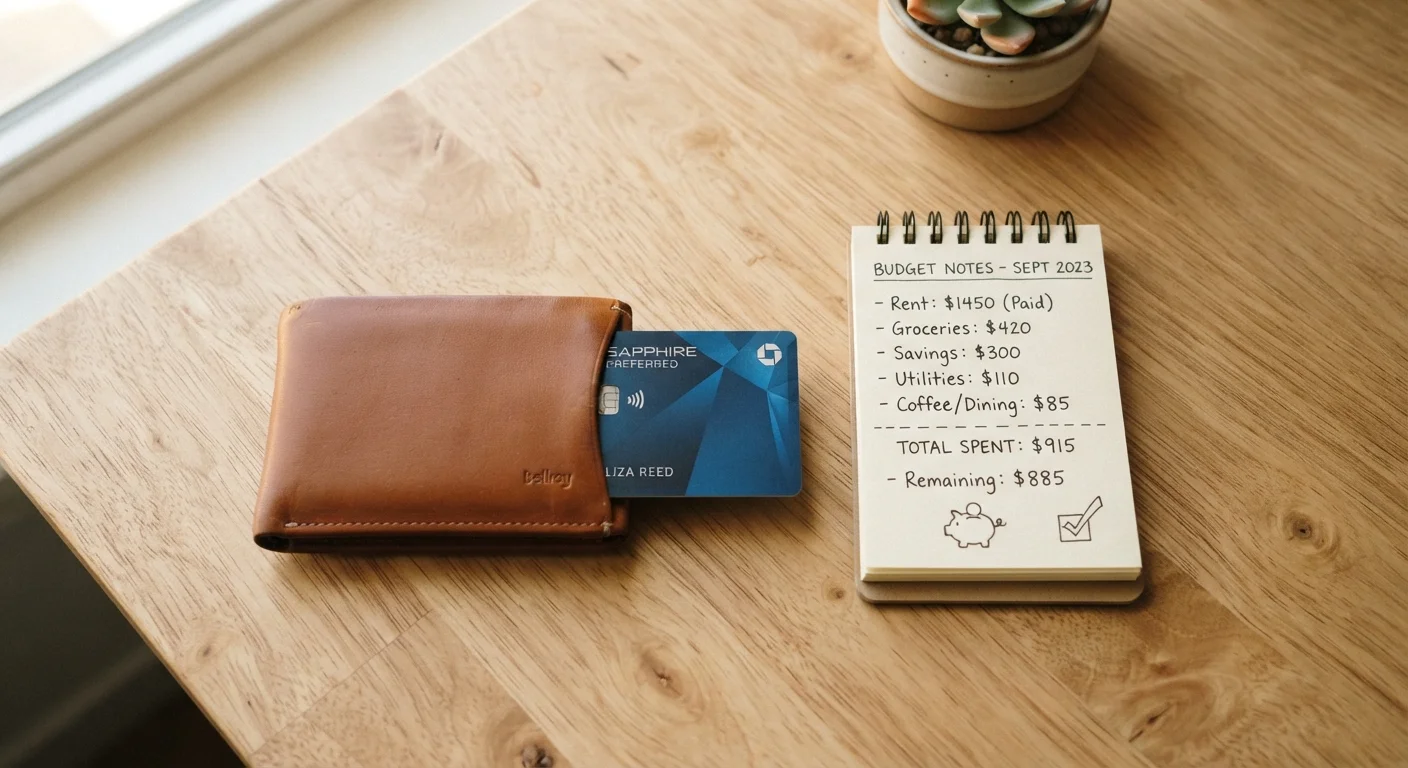
Photo: InsightsVilla.com | Quick Search. Right Info editorial
Key Takeaways
- Credit is a lender's agreement to let you use money now and repay it later, usually with interest.
- Your credit score is built from your borrowing history and directly affects what loans you can access.
- Interest is the real cost of borrowing - a higher APR means you pay more over time.
- Starting with one manageable credit account and paying on time builds a solid foundation.
- Always review loan terms before signing - APR, fees, and repayment schedule all matter.
What Credit Actually Is
Credit is a straightforward arrangement: a lender - a bank, credit union, or other financial institution - agrees to let you use money now, with the understanding that you'll repay it later. That repayment usually comes with a cost, called interest.
What makes credit valuable is access. It allows people to pay for things - a car, a home, an emergency - before they've saved the full amount. What makes it risky is that borrowed money is still owed money, and the terms of repayment matter enormously.
If you're new to banking and financial accounts altogether, the Everyday Banking From Scratch guide is a helpful companion to this one. Understanding how checking and savings accounts work gives you a stronger foundation before adding credit to the picture.
Credit
An agreement that lets you borrow money or use goods and services now, with the promise to repay the lender later, typically with interest.
APR (Annual Percentage Rate)
The yearly cost of borrowing expressed as a percentage, including interest and most fees. A higher APR means the loan costs more overall.
Credit Score
A three-digit number that summarizes your borrowing history. Lenders use it to judge how likely you are to repay a new debt on time.
Credit Utilization
The percentage of your available credit limit that you're currently using. Keeping this percentage low is generally better for your credit score.
Revolving Credit
A type of credit with a reusable limit - like a credit card - where you can borrow, repay, and borrow again up to your limit.
Installment Loan
A loan repaid in fixed, regular payments over a set period. Auto loans and personal loans are common examples.
How Debt Works and What It Costs
Debt is simply what you owe. When you borrow $1,000, you have $1,000 in debt. But the total amount you repay is almost always higher than what you borrowed, because of interest.
Interest is expressed as an APR - Annual Percentage Rate. If you borrow $1,000 at a 20% APR and take a year to pay it back, you'll owe roughly $200 in interest on top of the original amount, depending on how the interest is calculated and applied. The longer you take to repay, the more interest accumulates.
Fees also add to the cost of debt. Late payment fees, origination fees, and annual fees are common. These appear in loan and credit card agreements, which is exactly why reading those documents before signing matters. For a plain-English rundown of the terms you'll encounter, see The Language of Lending glossary.
Minimum Payments Are Not Free Money
Your Credit Score: What It Measures
A credit score is a three-digit number - typically ranging from 300 to 850 - that summarizes how reliably you've managed borrowed money in the past. Lenders use it to decide whether to approve your application and at what interest rate.
The factors that influence your score most are: your payment history (whether you pay on time), how much of your available credit you're using (called credit utilization), the length of your credit history, the mix of account types, and how many new accounts you've recently opened.
Payment history carries the most weight. One missed payment can meaningfully lower your score. That's why building a habit of on-time payments from the start is the single most effective thing a new borrower can do. For a look at the behaviors that support long-term credit health, see Responsible Credit Habits That Hold Up Over the Long Term.
Common Types of Credit for New Borrowers
Not all credit works the same way. Understanding the basic categories helps you match the right tool to the right situation.
- Credit cards are revolving credit - you can borrow up to a set limit, repay it, and borrow again. Interest applies only if you carry a balance past your payment due date.
- Personal loans are installment loans - you borrow a fixed amount and repay it in equal monthly payments over a set term. The interest rate and schedule are fixed upfront.
- Auto loans are installment loans secured by the vehicle. If you're considering financing a car for the first time, Car Ownership for First-Time Buyers covers the loan basics alongside other ownership costs.
- Secured credit cards require a cash deposit as collateral and are designed for people building credit from scratch. They work like a regular credit card but with added protection for the lender.
- Credit-builder loans, often offered by credit unions, are designed specifically to help establish a payment history when you have little or none.
Starting Small Works in Your Favor
Before You Borrow: Questions Worth Asking
Borrowing isn't inherently bad, but going in without a clear picture of the terms and your ability to repay is where problems start. Before you sign anything, it's worth working through a few straightforward questions.
- What is the total cost of this loan? Add up all interest and fees over the life of the loan - not just the monthly payment.
- Can I cover this payment reliably? Look at your actual budget, not a best-case scenario. A budgeting framework can help you see what you can genuinely afford each month.
- What happens if I miss a payment? Understand the late fees, penalties, and credit impact before they're relevant.
- Is this the right time to borrow? Sometimes the answer is to save first. Not every purchase needs to be financed.
Thinking through these questions won't make every decision easy, but it will make the decision an informed one - and that's the real starting point for responsible borrowing.
This article is for general informational purposes only and does not constitute personalized financial or legal advice. For guidance specific to your situation, consider consulting a qualified financial professional.
Frequently Asked Questions
The content on this site is for informational purposes only and is not a substitute for professional advice. Always consult a qualified professional for guidance specific to your situation.