
What's Actually in an Energy Drink

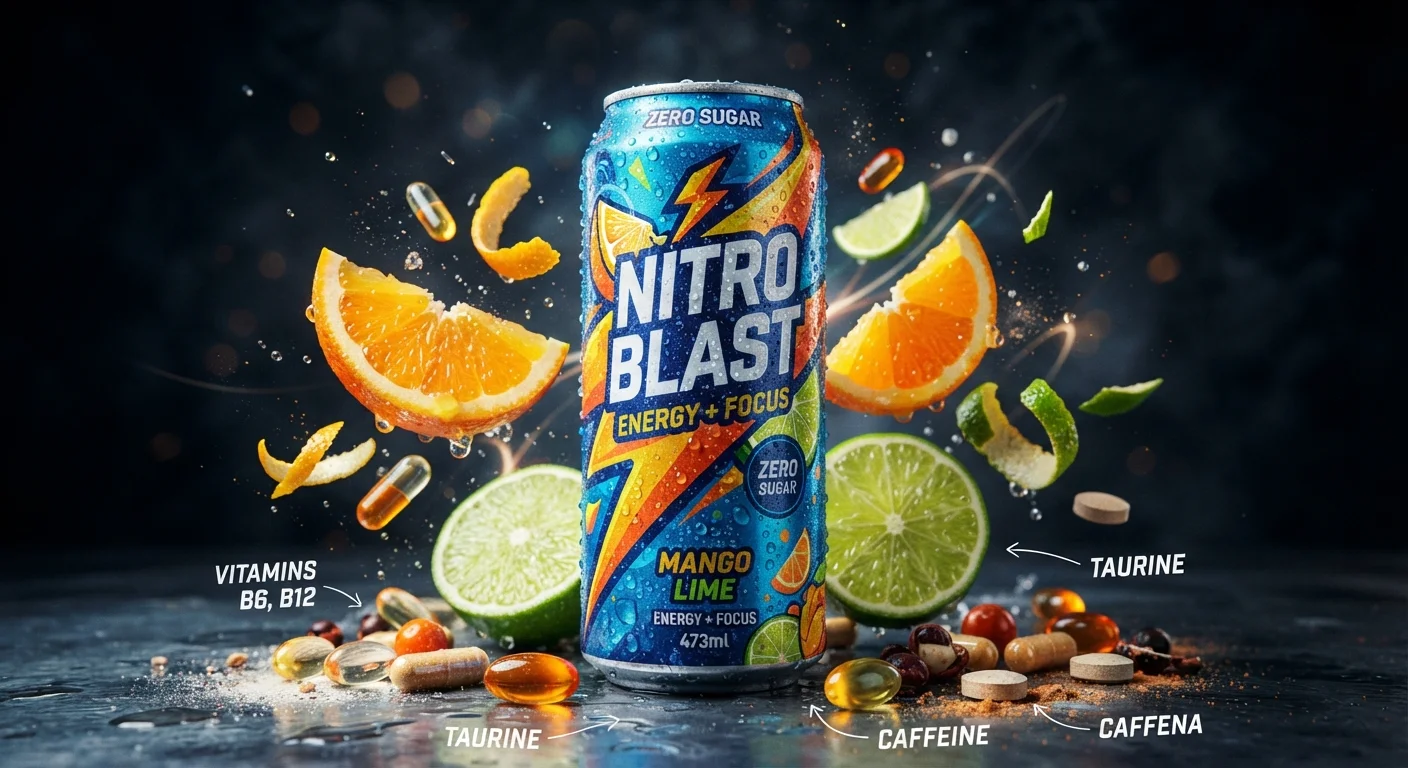
Photo: InsightsVilla.com | Quick Search. Right Info editorial
Key Takeaways
- Caffeine is the primary active ingredient in virtually every energy drink on the market.
- Taurine is an amino acid naturally found in the body; it doesn't provide energy on its own.
- B vitamins support metabolism but don't create a noticeable buzz at typical dietary levels.
- Sugar content varies widely - some cans contain as much as a full-size soda.
- "Natural" sources of caffeine like guarana still deliver the same compound as synthetic caffeine.
The One Ingredient That Does the Heavy Lifting
Strip away the branding and most energy drinks are, at their core, caffeine delivery systems. Caffeine is a stimulant that works by blocking adenosine receptors in the brain - adenosine is the chemical that accumulates while you're awake and signals that it's time to sleep. By blocking that signal, caffeine keeps you feeling more alert.
A standard 16-oz can typically carries between 150 and 200 mg of caffeine, though formulations range widely. The U.S. Food and Drug Administration has noted that 400 mg per day is generally recognized as a safe amount for healthy adults, but individual tolerance varies significantly based on body weight, medications, and sensitivity.
One thing worth knowing: caffeine listed as coming from "natural" sources like guarana or green tea extract is chemically identical to synthetic caffeine. The plant origin doesn't change how it behaves in your body. And if a can lists both added caffeine and guarana, those counts stack - so always look at the total rather than just the caffeine line.
Check the Serving Size First
The Supporting Cast: Taurine, B Vitamins, and Adaptogens
After caffeine, you'll usually find a cluster of ingredients that get more dramatic billing than their actual effects warrant.
Taurine is an amino acid your body produces naturally and that's abundant in meat and seafood. It plays roles in cardiovascular function and nervous system health, but at the amounts in a single can, it doesn't independently provide energy or produce a stimulant effect. Its presence in energy drinks dates back to early formulations and has stuck around largely by tradition and consumer familiarity.
B vitamins - often a blend of B3 (niacin), B6, and B12 - are genuinely involved in converting food into cellular energy. But that metabolic process doesn't translate into a felt surge of alertness unless you were deficient to begin with. Most Americans get adequate B vitamins through food, so the megadoses in energy drinks often just pass through.
Ginseng and ashwagandha appear in some formulations as adaptogens - compounds studied for potential stress-modulating properties. Research on them is ongoing and often preliminary; their presence in a can at typical doses is unlikely to be the thing you notice.
Adaptogens and Regulation
If you're curious how ingredient transparency compares across other packaged products, our look at juice labeling rules is a useful companion read.
Sugar, Sweeteners, and the Calories Question
Sugar is where the nutritional picture can shift considerably. A full-sugar energy drink in a large can may carry 50-60 grams of added sugar - comparable to a standard soda. That's worth knowing if you're drinking more than one, or if you're pairing it with other sugary foods during the day.
The sugar-free versions swap sucrose or high-fructose corn syrup for non-nutritive sweeteners like sucralose or acesulfame potassium. These eliminate calories and sugar spikes, though some people find the aftertaste noticeable. The caffeine load in sugar-free versions is typically identical to the regular version.
For a fuller picture of how energy drinks stack up against other common beverages on sugar content, our piece on sugar in popular drinks breaks it down clearly.
~185 mg
Average caffeine in a 16-oz energy drink
Based on general industry ranges; individual products vary significantly, and the FDA recommends healthy adults stay under 400 mg per day.
50-60 g
Added sugar in a large full-sugar can
This is comparable to a standard 20-oz cola, making sugar a significant variable when comparing energy drinks.
Reading the Label With Fresh Eyes
Energy drink labels are designed to impress as much as inform. Words like "performance blend" or "energy matrix" are marketing language, not regulatory categories. When you see a proprietary blend listed with a combined weight, you often can't tell how much of each ingredient is actually inside - that's a known gap in current labeling requirements.
The practical approach: look for total caffeine per serving, check whether the can is one serving or two, and scan for any secondary caffeine sources like guarana. Everything else is worth understanding but unlikely to be what you actually feel.
If you enjoy parsing ingredient lists, the same skills apply in surprising places - our editorial on what pet food labels are actually telling you is a fun look at how label reading translates across very different aisles.
This article is for general informational purposes only and is not medical or dietary advice. If you have health conditions or concerns about caffeine or specific ingredients, consult a qualified healthcare professional.
Frequently Asked Questions
The content on this site is for informational purposes only and is not a substitute for professional advice. Always consult a qualified professional for guidance specific to your situation.