
When Your Car Skids: What Happens Mechanically and How to Respond

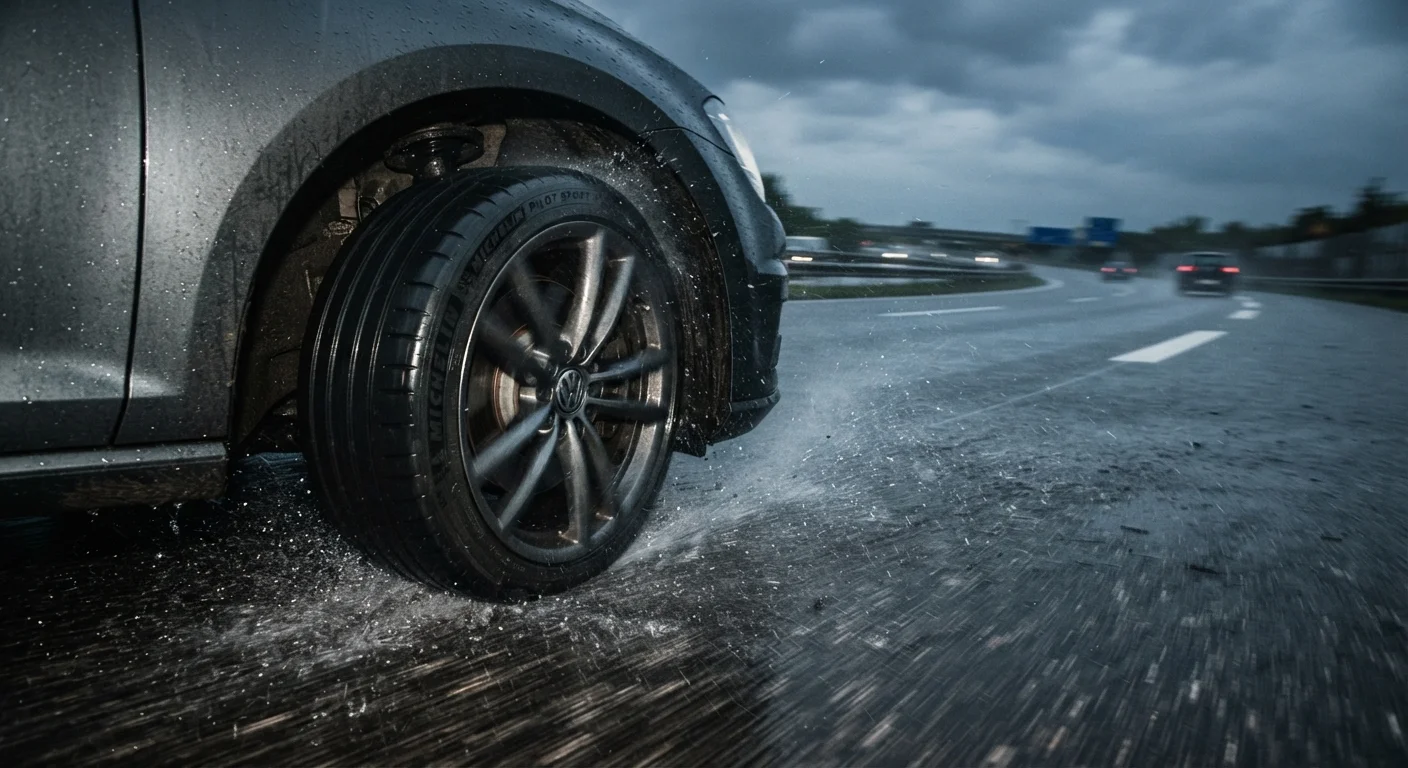
Photo: InsightsVilla.com | Quick Search. Right Info editorial
Key Takeaways
- There are three main skid types: understeer, oversteer, and hydroplaning - each requires a different response.
- Steering into a skid means turning your wheel toward the direction the rear of the car is sliding.
- Sudden braking or sharp acceleration can trigger a skid; gradual inputs are always safer.
- Modern ABS and stability control systems help, but they cannot fully override the laws of physics.
- Proper tire tread depth and inflation are the most critical factors in skid prevention.
The Three Types of Skids - and What's Actually Happening
Every skid falls into one of three mechanical categories. Knowing the difference matters because each one demands a different corrective action.
Understeer
Understeer happens when the front tires lose grip - the car continues traveling straight (or wide) even though you've turned the wheel. It's most common in front-wheel-drive vehicles and often occurs when entering a corner too fast. Mechanically, the front tires are being asked to do too much at once: steer and transmit power simultaneously. The result is that they slide rather than turn.
Oversteer
Oversteer occurs when the rear tires lose traction, causing the back of the car to swing outward. It's sometimes called a "fishtail" and is more common in rear-wheel-drive vehicles. When the rear slides out, the car's nose points toward the inside of the turn - often alarmingly so. The fix is counterintuitive to many drivers: steer in the direction the rear is sliding (called counter-steering) while easing off the throttle.
Hydroplaning
Hydroplaning occurs when a film of water builds up between the tires and road faster than the tread can disperse it. The tire literally floats on water, and steering and braking inputs become largely ineffective. Speed is the primary trigger - hydroplaning becomes significantly more likely above 35 mph on wet roads, especially with worn tires. For a full breakdown of wet- and icy-road technique, see our guide to driving in rain, snow, ice, and fog.
How to Respond - by Skid Type
There is no single universal skid response, but there are clear principles for each scenario.
Practice Makes the Response Automatic
Responding to Understeer
- Ease off the accelerator gradually - don't lift abruptly.
- Do not add more steering input; the front tires are already overwhelmed.
- Let the car slow naturally, which restores grip to the front tires.
- Once grip returns, gently resume steering toward your intended path.
Responding to Oversteer
- Counter-steer: turn the wheel toward the direction the rear is sliding.
- Ease off the throttle smoothly - don't stab the brakes.
- As the rear begins to track back, gradually unwind your steering correction.
- Overcorrecting is common and can cause a secondary spin in the opposite direction - stay measured.
Responding to Hydroplaning
- Ease off the gas slowly - do not brake hard.
- Hold the steering wheel straight and firmly.
- Wait for the tires to regain road contact - you'll feel the steering "weight up" again.
- Once traction returns, gently adjust your course.
These principles complement the broader safety habits covered in our safe driving habits guide.
What Vehicle Systems Are (and Aren't) Doing During a Skid
~10,000
Annual U.S. crashes linked to wet pavement
The Federal Highway Administration estimates roughly 10,000 crashes per year are directly related to wet pavement conditions, underscoring the real-world importance of skid awareness.
2/32"
Minimum safe tire tread depth
The U.S. Department of Transportation recommends replacing tires when tread wears to 2/32 of an inch - the legal minimum in most states and a critical threshold for wet-road grip.
35+ mph
Speed at which hydroplaning risk rises sharply
Tire engineers and safety researchers broadly agree that hydroplaning becomes a significant risk above approximately 35 mph on wet roads, especially when tread is worn.
Most vehicles built after 2012 are required by federal law to include Electronic Stability Control (ESC). This system uses sensors to detect when the car is skidding and automatically applies braking to individual wheels to help correct the vehicle's path. It's a meaningful safety technology - but it operates within physical limits.
ABS (Anti-lock Braking System) prevents wheels from locking up when you brake hard, allowing you to maintain steering. It does not reduce your overall stopping distance on all surfaces - on loose gravel or fresh snow, locked wheels can sometimes stop a car more quickly. Understanding what your car's systems actually do, rather than assuming they'll handle every situation, makes you a safer driver.
Tires remain your most fundamental safety component. Worn tread, incorrect inflation, or mismatched tires can undermine every electronic safety system in the vehicle. Routine vehicle maintenance - including keeping brake fluid in good condition - directly affects how well your braking system performs in a skid scenario. See also our breakdown of how brake pads, rotors, and calipers work together to stop your car.
Certain everyday driving habits also accelerate the wear that leaves you more vulnerable to skids. Hard braking and aggressive cornering degrade tires and suspension components faster than most drivers realize.
Frequently Asked Questions
The content on this site is for informational purposes only and is not a substitute for professional advice. Always consult a qualified professional for guidance specific to your situation.