
Driving & Safety

Before You Pull Out of the Driveway: A Pre-Trip Safety Walkthrough

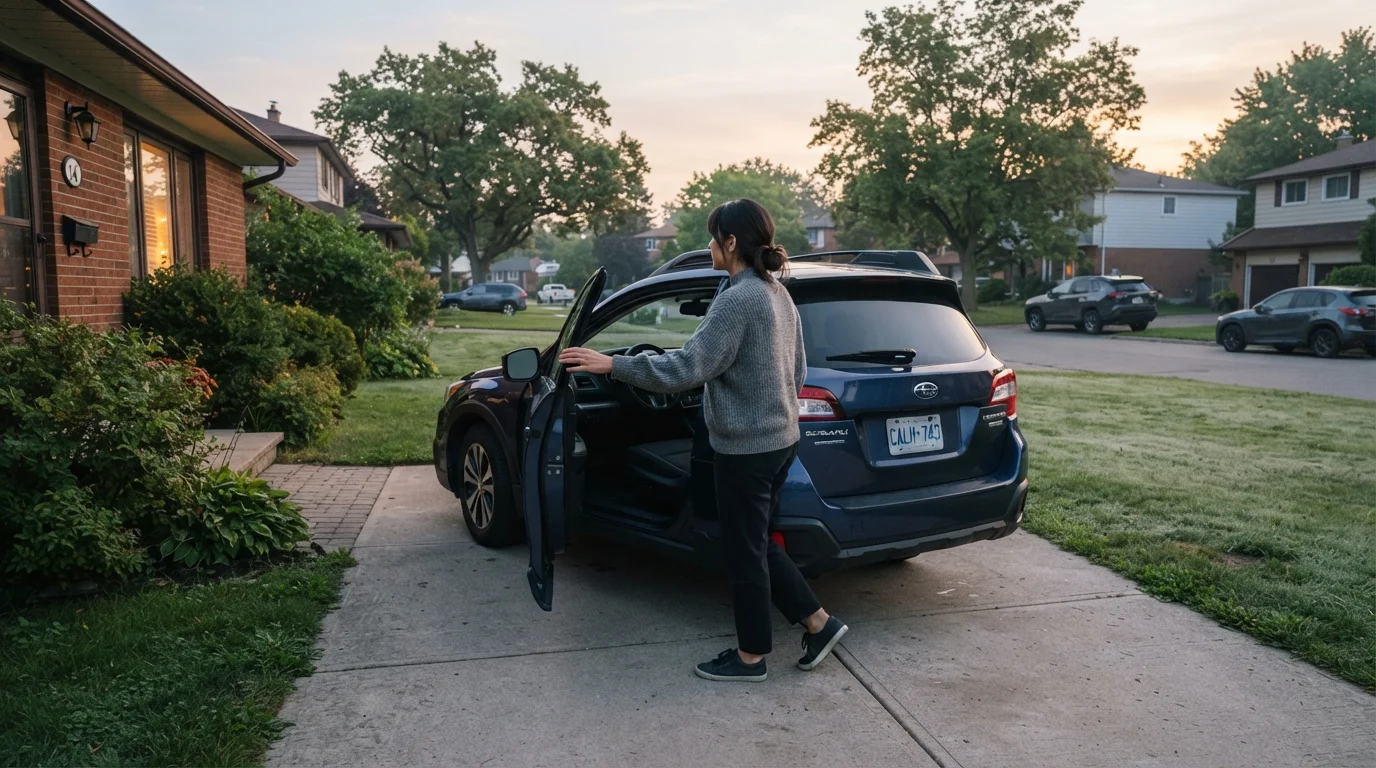
Before You Pull Out of the Driveway: A Pre-Trip Safety Walkthrough

Photo: InsightsVilla.com | Quick Search. Right Info editorial

A quick, practical checklist of what to verify before every drive — from tire pressure to mirrors — that takes less than three minutes.

Key Takeaways

  • A consistent pre-trip walkthrough takes under five minutes and can prevent accidents, breakdowns, and fines.
  • Tire pressure and tread condition are among the most safety-critical checks you can perform before driving.
  • Mirror and seat adjustments should be confirmed before ignition, not while already moving.
  • Dashboard warning lights should never be dismissed — address any unfamiliar light before driving.
  • Keeping an emergency kit in the vehicle complements your pre-trip routine and prepares you for the unexpected.

Why a Two-Minute Check Is Worth the Habit

Most roadside emergencies and a significant share of preventable crashes share something in common: a small problem that went unnoticed before the trip began. A low tire, a cracked windshield, a seat that was never adjusted — these aren't random misfortunes. They're the predictable result of skipping a walkthrough that takes less time than warming up a cup of coffee.

This checklist is designed for everyday drivers, not mechanics. You don't need tools or technical knowledge to complete it. You just need to know where to look and what you're looking for. Done consistently, this routine becomes second nature — and it pairs naturally with the safe driving habits that protect you behind the wheel throughout the entire trip.

Outside the Vehicle

Walk around all four sides of the vehicle to check for any visible damage, flat tires, or obstacles directly behind or in front. Must
Inspect tire sidewalls and tread visually — look for bulges, cuts, or tread that appears worn smooth. Must
Check tire pressure using a gauge if any tire appears lower than the others or if pressure wasn't verified recently. Should
Clear all windows and mirrors of ice, snow, condensation, or debris before driving. Must
Confirm all exterior lights — headlights, brake lights, and turn signals — are functioning; ask someone to help or use a reflection if alone. Should

Inside the Cabin

Adjust your seat position so you can comfortably reach the pedals and maintain a clear view of the full road ahead. Must
Set all three mirrors — driver side, passenger side, and rearview — before you start moving. For guidance on positioning, see how to minimize blind spots with proper mirror angles. Must
Fasten your seatbelt and confirm any passengers are buckled, including children in properly installed car seats. Must
Secure any loose items — cargo, bags, or pets — that could become projectiles in a sudden stop. Must
Silence or mount your phone in a holder before pulling away to avoid distraction once underway. Should

Dashboard and Systems

Scan the instrument cluster after starting the engine — all warning lights should extinguish within a few seconds; any that remain lit require attention. Must
Check that your fuel level is adequate for the planned route, adding a buffer for unexpected traffic or detours. Must
Test wiper function and washer fluid, especially if rain or snow is possible. Seasonal checks are covered in the seasonal car maintenance checklist. Should
Confirm your defroster and climate controls are working if windows are fogged or cold weather is a factor. Should

Emergency Readiness

Verify that your emergency kit is in the vehicle — ideally including a flashlight, jumper cables or jump starter, reflective triangles, and a basic first-aid kit. Should
Confirm your spare tire is present and inflated; know where the jack and lug wrench are stored. Should
Keep your vehicle registration and proof of insurance accessible in the glove compartment. Must
If driving in adverse weather, review conditions in advance and adjust your departure time or route if needed. Our guide to driving safely in rain, snow, ice, and fog can help you prepare. Nice to have

What to Do If You Find a Problem

Running through this checklist is only useful if you act on what you find. A dashboard warning light you don't recognize, a tire that looks visibly low, or a wipers streak that blocks your line of sight — these are reasons to pause, not ignore. When in doubt, consult your owner's manual or a qualified mechanic before continuing your drive.

Never Dismiss a Tire Pressure Warning Light

The Tire Pressure Monitoring System (TPMS) light signals that one or more tires is significantly underinflated — a condition that increases blowout risk, reduces braking effectiveness, and lowers fuel efficiency. Do not assume the light is a false alarm or plan to address it later. Check tire pressure before driving and inflate to the vehicle manufacturer's recommended PSI, found on the door jamb sticker or in the owner's manual — not the maximum pressure listed on the tire sidewall.

If your vehicle has a recurring issue you keep finding during pre-trip checks — such as a warning light that returns, tires that consistently lose pressure, or fluid levels that keep dropping — these are signs of an underlying problem that should be evaluated by a technician. The pre-trip walkthrough will surface patterns over time. Pay attention to them.

For a deeper look at what professionals assess during a formal inspection, see what a mechanic looks for during a routine inspection. And if you want to understand how everyday driving behaviors compound wear between trips, habits that quietly wear out your car faster is worth a read.

Required

Tire Pressure Gauge

Used to accurately measure each tire's pressure against the manufacturer-recommended PSI listed in your owner's manual or door jamb sticker.

Optional

Flashlight or Phone Torch

Helps you inspect tires, lights, and undercarriage details in low-light conditions, such as early morning or nighttime departures.

Required

Vehicle Owner's Manual

Your definitive reference for warning light meanings, fluid specifications, and recommended tire pressures specific to your vehicle.

Optional

Emergency Road Kit

A pre-assembled kit containing jumper cables, reflective triangles, a basic first-aid kit, and a flashlight for roadside incidents.

Automobiles Editorial Team

InsightsVilla.com | Quick Search. Right Info

Automobiles Editorial Team is the collective byline for our editorial team and contributor network. Articles published under this byline or an editorial pen name are researched, written, and reviewed according to our editorial standards for clarity, consistency, and independence before publication.

Car MaintenanceDriving & SafetyCar Ownership
View author profile

The content on this site is for informational purposes only and is not a substitute for professional advice. Always consult a qualified professional for guidance specific to your situation.