
Car Insurance Explained: What Each Type of Coverage Actually Does

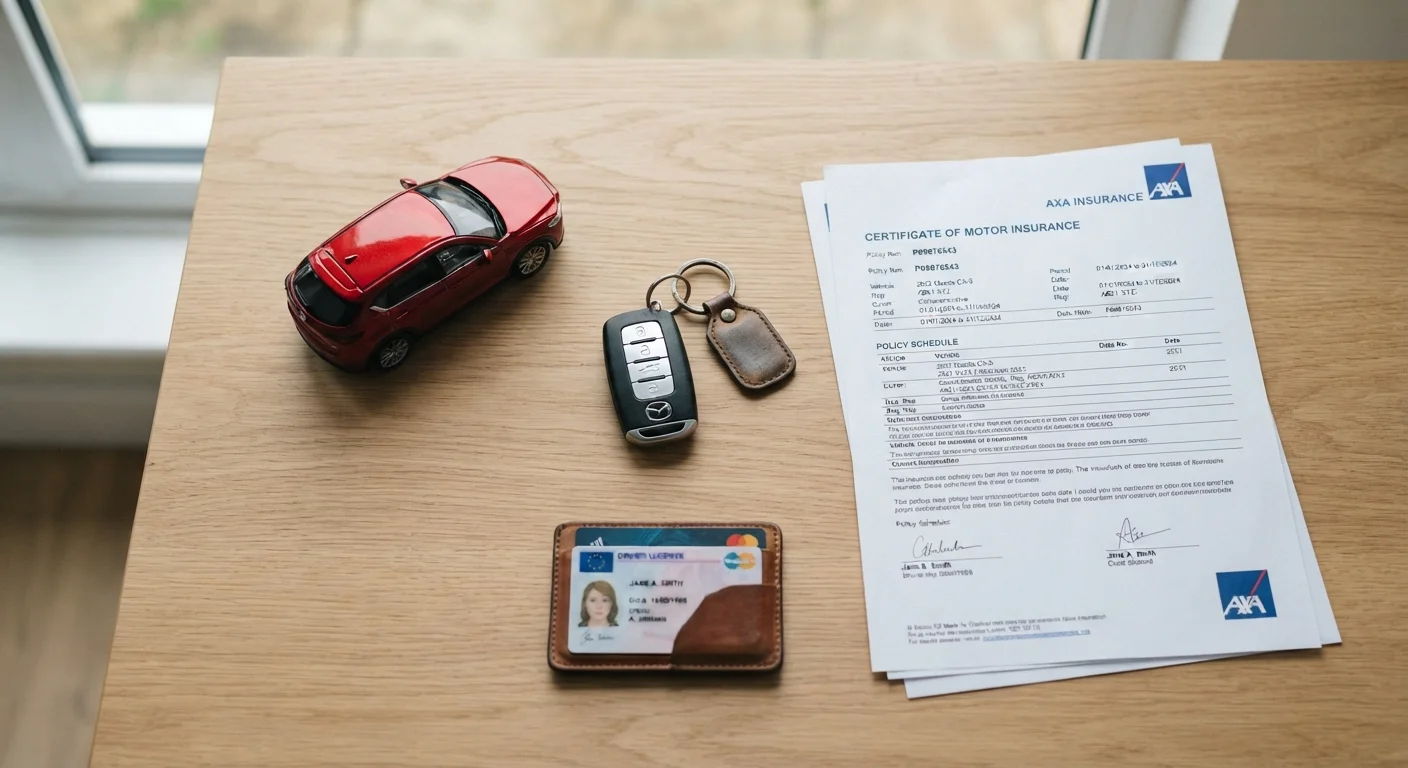
Photo: InsightsVilla.com | Quick Search. Right Info editorial
Key Takeaways
- Liability coverage is required in almost every state and pays for damage or injuries you cause to others.
- Collision coverage pays for your own vehicle damage after a crash, regardless of who is at fault.
- Comprehensive coverage handles non-collision events like theft, weather, and animal strikes.
- Uninsured/underinsured motorist coverage protects you when the other driver lacks adequate insurance.
- Personal injury protection (PIP) covers your medical expenses and lost wages after an accident.
- Your state's minimum coverage may not be enough to fully protect your finances after a serious accident.
The Core Coverage Types Every Driver Should Know
Auto insurance policies are built from individual coverage types, each designed to address a different kind of financial risk. Buying insurance without understanding what each piece does is like signing a contract without reading it. Here's a plain-language breakdown of the coverage types you're most likely to encounter.
Liability coverage is the foundation of almost every auto policy and is legally required in most states. It pays for bodily injuries and property damage you cause to others when you're at fault in an accident. It does not cover your own injuries or vehicle damage. Bodily injury liability helps cover the other party's medical bills and lost wages; property damage liability covers repairs to their vehicle or other property you damage.
Collision coverage pays to repair or replace your own vehicle after a crash with another car or a stationary object - like a guardrail or a pole - regardless of who caused the accident. Lenders typically require collision coverage until a car loan is paid off.
Comprehensive coverage covers damage to your vehicle from events that aren't collisions: theft, vandalism, fire, flooding, hail, and animal strikes all fall under this category. Together, collision and comprehensive are often called "full coverage," though that phrase has no precise legal definition. For a detailed breakdown, see what comprehensive and collision coverage actually covers.
~13%
Uninsured drivers on U.S. roads
The Insurance Research Council estimates roughly 1 in 8 drivers in the U.S. is uninsured, underscoring the value of UM/UIM coverage.
49 of 50
States requiring minimum liability coverage
Nearly every U.S. state mandates at least minimum liability limits; only New Hampshire allows an alternative financial responsibility approach.
$500-$1,000
Typical collision/comprehensive deductible range
Most drivers choose deductibles in this range, balancing out-of-pocket exposure against lower monthly premium costs.
Protections That Cover You Directly
Beyond liability, several coverage types shift the focus to protecting you and your passengers rather than third parties.
Personal Injury Protection (PIP) - required in no-fault states - covers your medical expenses, lost wages, and sometimes funeral costs after an accident, regardless of fault. It can also extend to passengers in your vehicle. The rules vary significantly by state; how fault, no-fault, and tort states affect your claim explains how your state's system shapes your options.
Medical Payments (MedPay) is similar to PIP but narrower - it covers medical and funeral expenses for you and your passengers without covering lost wages or other costs. It's available in most states, including many that don't require PIP.
Uninsured/Underinsured Motorist (UM/UIM) coverage steps in when the driver who hit you has no insurance or not enough to cover your losses. The Insurance Research Council has found that a significant share of drivers on American roads are uninsured, making this coverage an important financial safeguard even where it isn't required.
State Minimums Are a Floor, Not a Recommendation
Optional Add-Ons Worth Understanding
Most policies offer optional coverages beyond the standard types. These aren't necessary for everyone, but understanding them helps you decide what's worth adding.
Rental reimbursement pays for a rental car while your vehicle is being repaired after a covered claim. Roadside assistance covers towing, flat tire changes, jump-starts, and lockout services. Gap insurance is relevant if you financed or leased your vehicle - if your car is totaled, gap coverage pays the difference between what the insurer pays out (the vehicle's current market value) and what you still owe on the loan.
Understanding these options before you need them helps you build a policy that genuinely fits your financial situation. For a complete look at how insurance fits into the broader picture of what you'll spend each year, see the annual car ownership costs planning checklist.
Once you have a policy, your declarations page is the single clearest summary of exactly what you're covered for. Learn how to read it with our guide to reading your auto insurance declarations page.
This article provides general information about auto insurance coverage types and is not personalized insurance or financial advice. Coverage requirements, availability, and terms vary by state and insurer. Consult a licensed insurance professional for guidance specific to your situation.
Frequently Asked Questions
The content on this site is for informational purposes only and is not a substitute for professional advice. Always consult a qualified professional for guidance specific to your situation.