
What Comprehensive and Collision Coverage Actually Covers (and What It Doesn't)

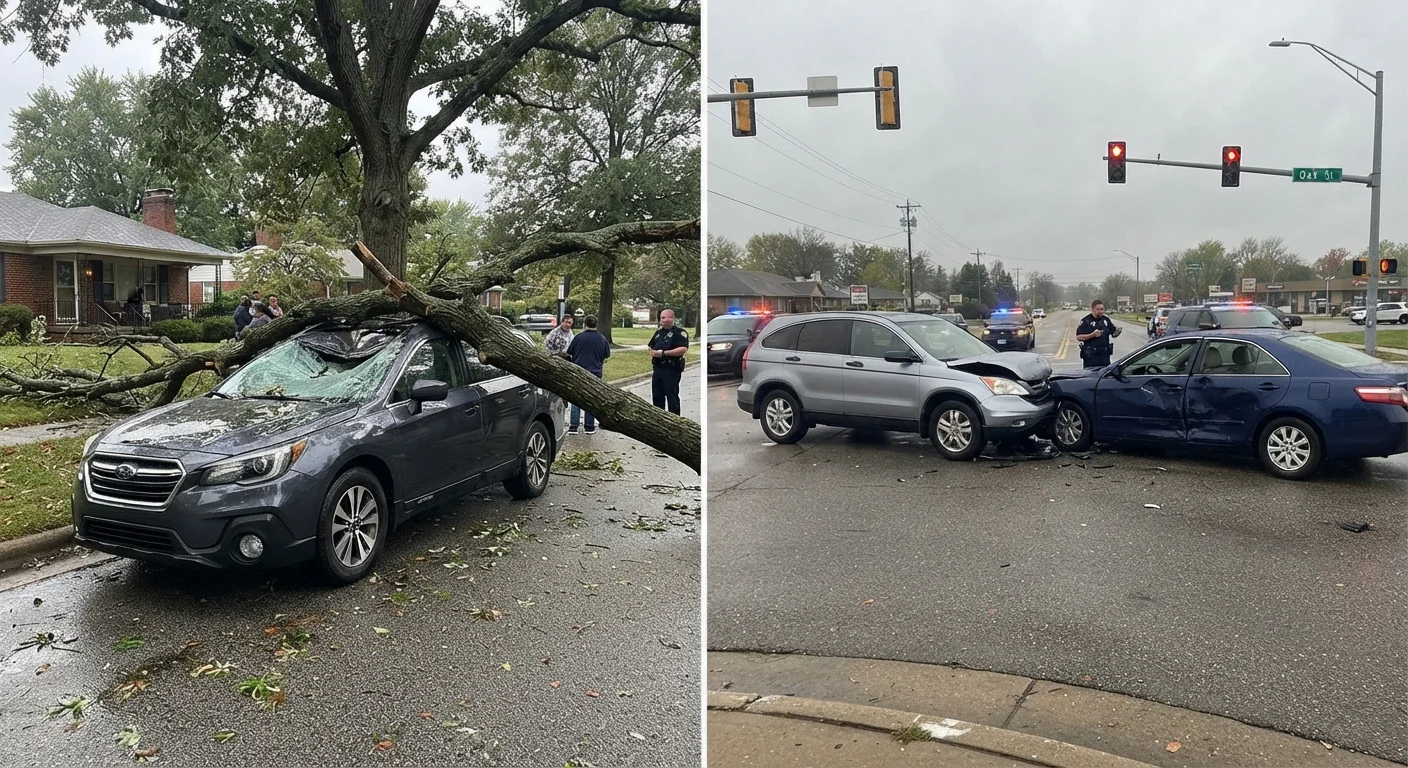
Photo: InsightsVilla.com | Quick Search. Right Info editorial
Key Takeaways
- Comprehensive covers damage from non-collision events like theft, weather, and animals; collision covers impact-related damage.
- Neither coverage pays for mechanical breakdowns, normal wear and tear, or personal belongings inside the vehicle.
- Your deductible - the amount you pay out of pocket per claim - directly affects both your premium and your payout.
- Lenders and lessors typically require both coverages on financed or leased vehicles.
- Understanding exclusions before a loss occurs helps you avoid unexpected out-of-pocket expenses.
Two Coverages, Two Very Different Triggers
Auto insurance policies use the words comprehensive and collision as distinct coverage types, but many drivers treat them as a single bundle without understanding what separates them. The core distinction is simple: the trigger event.
Collision coverage activates when your vehicle makes physical contact with another object - another car, a guardrail, a telephone pole, or even a pothole that causes damage. It does not matter who was at fault. If your vehicle collided with something, collision coverage is the relevant policy provision.
Comprehensive coverage (sometimes called "other than collision" in policy language) covers a wide range of damage-causing events that are not collisions. Think of it as the catch-all for things that happen to your car rather than things your car runs into.
Understanding this distinction before a loss prevents the frustration of filing a claim under the wrong coverage - or discovering you have the right coverage but the wrong expectations about what it pays.
What Each Coverage Actually Includes
| Comprehensive | Collision | |
|---|---|---|
| Primary trigger | Non-collision events (weather, theft, animals) | Impact with another object or vehicle |
| Covers theft | Yes - vehicle theft | No |
| Covers weather damage | Yes - hail, flood, wind, fire | No |
| Covers animal strike | Yes - e.g., deer collision | No |
| Covers at-fault accident | No | Yes |
| Covers single-vehicle crash | No | Yes - rollover, road departure |
| Covers personal belongings | No | No |
| Deductible applies | Yes | Yes |
| Required by lenders/lessors | Typically yes | Typically yes |
| Pays based on | Actual cash value (ACV) | Actual cash value (ACV) |
Comprehensive typically covers: theft of the vehicle, vandalism, fire, flooding, hail, windstorm damage, falling objects (tree limbs, debris), and collisions with animals - most commonly deer strikes. Glass damage, such as a cracked windshield from a rock chip, usually falls under comprehensive as well, and some insurers offer separate glass riders with no deductible.
Collision covers: crashes with other vehicles, single-vehicle accidents (running off the road, rolling over), and impacts with stationary objects like fences or parking barriers. If you're rear-ended and the other driver is uninsured or underinsured, collision can also fill payment gaps - though uninsured motorist property damage coverage is a separate provision worth checking on your declarations page. See how to read your auto insurance declarations page for help decoding exactly which coverages your policy lists.
Common Exclusions That Catch Drivers Off Guard
Your Personal Property Isn't Covered
Neither comprehensive nor collision covers everything, and the exclusions matter just as much as what's included.
- Mechanical failure and wear: A blown transmission, worn brake pads, or an engine that seizes are not covered by either provision. These are maintenance issues, not sudden physical damage from an external event.
- Personal belongings: A laptop, camera, or cash stolen from your car is not covered under comprehensive auto insurance - that falls under homeowners or renters insurance instead.
- Rideshare and delivery gaps: If you drive for a rideshare or delivery platform, standard personal auto policies may exclude coverage during active trips. A separate commercial or rideshare endorsement is typically required.
- Intentional damage: Damage you cause deliberately - or damage resulting from certain criminal acts you committed - is excluded.
- Racing and off-road use: Most standard policies exclude damage sustained during track events or off-road driving not covered under the policy's definitions.
How your state's fault or no-fault system interacts with these coverages also shapes your real-world claim experience. How fault and no-fault states affect your auto insurance claim explains that layer in detail.
Deductibles, Actual Cash Value, and the Cost Equation
Review Your Deductible Before a Claim, Not After
Both coverages pay based on your vehicle's actual cash value (ACV) - roughly what your car was worth on the open market just before the loss, accounting for depreciation. This is not the same as what you paid for the car, what you owe on it, or what it would cost to replace it new. If you owe more than ACV, a separate gap insurance provision covers the difference on a total loss.
Your deductible - the portion you pay before insurance covers the rest - applies separately to each coverage type. Common deductible amounts range from $250 to $1,500. Choosing a higher deductible lowers your monthly premium but means more out-of-pocket cost at claim time. For minor damage that barely exceeds your deductible, filing a claim may not be financially worthwhile, since claims can affect your future premium.
For older vehicles with low market value, the math sometimes works against keeping both coverages. If your car's ACV is $3,000 and your deductible is $1,000, the maximum insurance payout on a total loss is $2,000 - which may not justify the annual cost of the premiums. That calculation is a personal financial decision, not a one-size answer.
This article is for general informational purposes only and does not constitute insurance, financial, or legal advice. Coverage terms, exclusions, and requirements vary by insurer and state. Review your specific policy and consult a licensed insurance professional for guidance on your situation.
The content on this site is for informational purposes only and is not a substitute for professional advice. Always consult a qualified professional for guidance specific to your situation.