
Why Your Check Engine Light Is On (And When It's Urgent)

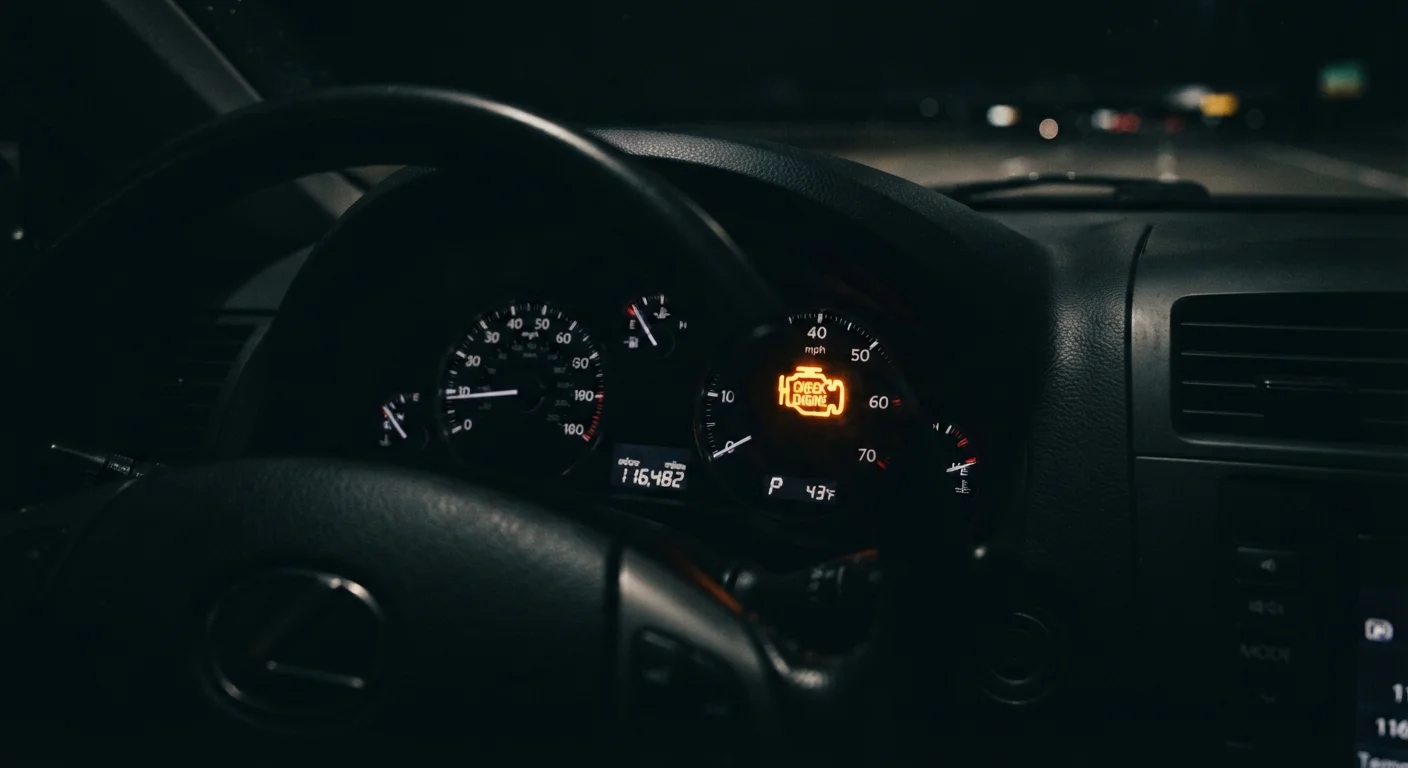
Photo: InsightsVilla.com | Quick Search. Right Info editorial
Key Takeaways
- A solid check engine light often signals a minor issue; a flashing light demands immediate action.
- Ignoring the check engine light can turn a small repair into a costly engine or emissions system failure.
- An OBD-II scanner retrieves diagnostic trouble codes that pinpoint the source of the warning.
- Many auto parts stores offer free code reading, giving you a starting point before visiting a mechanic.
What the Check Engine Light Is Actually Telling You
The check engine light - technically called the MIL - is part of your car's onboard diagnostic system, known as OBD-II. When a sensor detects a reading outside the acceptable range, the system stores a diagnostic trouble code (DTC) and illuminates the light. The code points to a specific system, not necessarily a broken part, so a flashing or solid light is your car's way of saying, "Something needs attention - here's where to start looking."
The key distinction every driver should know: a solid light usually indicates a non-emergency fault - something like a loose gas cap or a failed oxygen sensor - that still warrants a prompt diagnosis. A flashing or blinking light is a different situation entirely. It typically signals active engine misfires that can damage the catalytic converter within minutes of continued driving. Pull over safely and have the vehicle towed or inspected before driving further. See our guide to dashboard warning lights for a full breakdown of what each symbol means.
~40%
Check engine lights caused by emissions-related faults
Industry estimates suggest a large share of check engine light codes relate to the emissions system, including oxygen sensors and catalytic converters.
No. 1
Most common check engine trigger
A loose or missing fuel cap is consistently cited as one of the most frequent reasons the check engine light illuminates, according to automotive diagnostic data.
Common Mistakes Drivers Make When the Light Comes On
Most check engine light problems get worse - and more expensive - because of predictable driver errors. Knowing what not to do is just as important as knowing what the light means.
Ignoring the light because the car seems to drive fine.
Continuing to drive normally when the light is flashing.
Clearing the code without fixing the underlying problem.
Assuming a check engine light means the engine needs to be replaced.
Skipping professional diagnosis after getting a code from a store reader.
How to Respond Wisely and Avoid Bigger Repairs
Once you've retrieved a diagnostic code, treat it as a starting point, not a final verdict. A code pointing to an oxygen sensor, for example, could reflect the sensor itself, a wiring issue, or an exhaust leak affecting the reading. A qualified mechanic uses live sensor data and visual inspection together to confirm the root cause - something a code reader alone can't do.
Don't Clear Codes Before an Emissions Test
After any repair, confirm the light has cleared and hasn't returned after a short drive cycle - typically two to three cold starts and some highway driving. A light that returns quickly suggests the underlying cause wasn't fully resolved. For a broader picture of what a technician evaluates during a vehicle check, see our overview of routine mechanic inspections.
The content on this site is for informational purposes only and is not a substitute for professional advice. Always consult a qualified professional for guidance specific to your situation.