
Dating Apps Decoded: How Matching Algorithms Actually Work

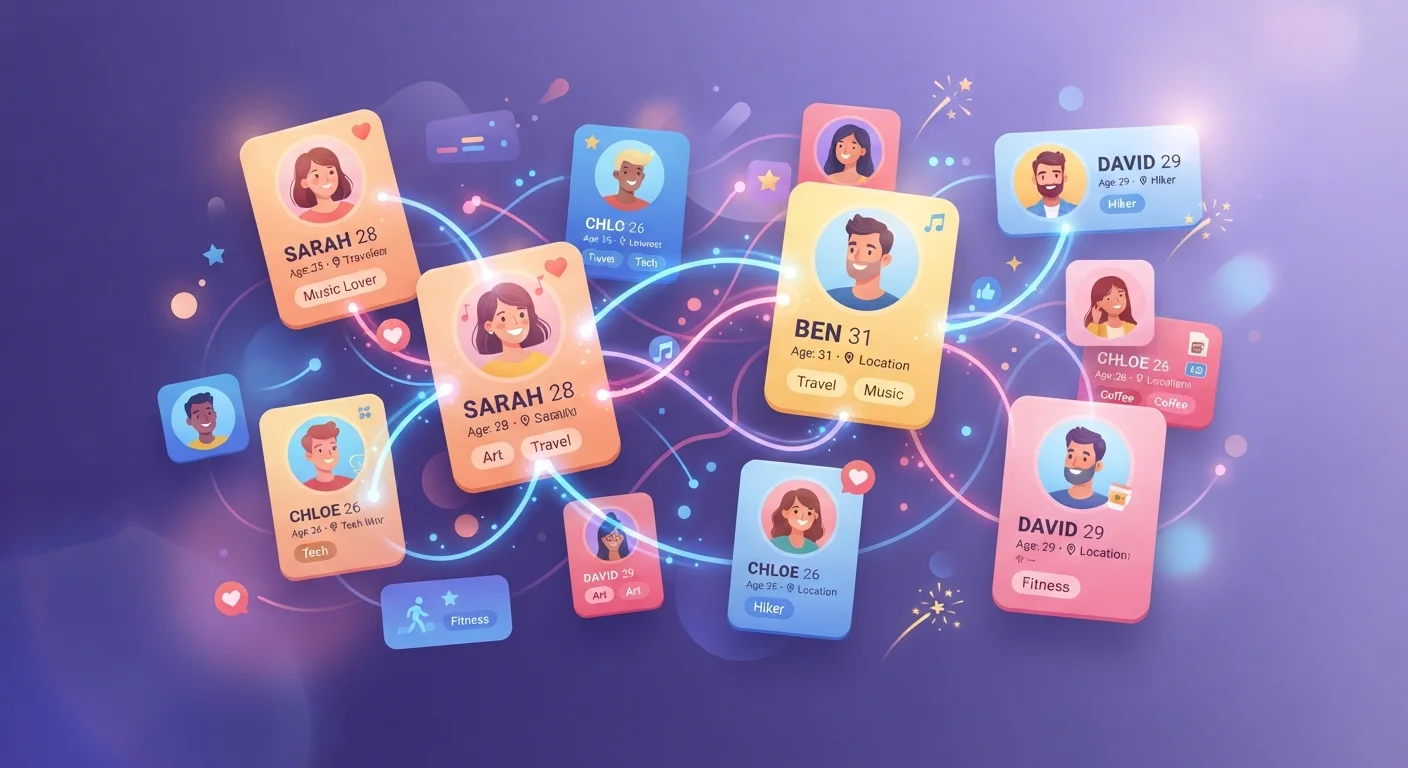
Photo: InsightsVilla.com | Quick Search. Right Info editorial
Key Takeaways
- Matching algorithms rank profiles based on your behavior, not just your stated preferences.
- Engagement signals - like how often you swipe, message, or log in - directly influence what you see.
- Premium features on most platforms can change how the algorithm treats your profile.
- No algorithm guarantees compatibility; it surfaces possibilities, not certainties.
- Understanding how these systems work can help you use dating apps more intentionally.
What's Actually Happening When You Swipe
Every time you open a dating app, a decision engine is running in the background - sorting through potentially thousands of nearby profiles to build the specific stack you'll see. It's not random, and it's not purely based on your stated preferences. The algorithm is watching how you behave.
Most platforms track signals like: how long you linger on a profile before swiping, whether you initiate messages or just collect matches, how quickly you respond when someone writes first, and how often you log in. These behavioral cues feed into your personal ranking, which shapes both who sees you and who you see.
This is a core part of the modern dating experience in America. As we explore in our broader guide to navigating modern dating as an American adult, apps have fundamentally changed how people search for connection - and understanding the technology helps you use it with clearer expectations.
30%
U.S. adults who have used a dating app
According to Pew Research Center survey data, roughly three-in-ten American adults say they have used a dating site or app at some point.
39%
Couples who met online
A Stanford sociologist's large-scale survey found that by the late 2010s, meeting online had become the single most common way U.S. couples connect.
~1 second
Average profile view time before a decision
Industry analyses have suggested users make initial swipe decisions in under a second, meaning profile photos carry outsized algorithmic and human weight.
The Key Factors Most Algorithms Weigh
While every platform keeps its exact formula proprietary, researchers and former employees have shed light on the broad categories that tend to matter most:
- Profile completeness: Algorithms generally favor users who fill out every field. A profile with multiple photos, a bio, and answered prompts is treated as higher quality - and shown more widely.
- Selectivity: Some apps, including Hinge, have suggested that being highly selective (not swiping right on everyone) can signal genuine intent, which the algorithm may reward with better placement.
- Match rate and engagement: If the people you swipe on tend to swipe back, that mutual interest boosts your visibility. Low match rates after many right-swipes can suppress a profile over time.
- Recency: Fresh accounts often get an initial visibility boost to generate early data - sometimes called a "newbie bump." Activity streaks also keep your profile circulating.
Profile Completeness Makes a Real Difference
It's worth noting that for all the optimization possible, algorithms surface opportunity - they don't determine chemistry. Research comparing how relationships start is useful context here: see what research suggests about online dating vs. meeting in person for a grounded look at outcomes.
How Premium Features Change the Equation
Paid tiers on most major platforms don't just remove ads - they often directly intervene in the algorithm. Features like profile boosts (temporarily elevating your position in other users' queues), the ability to see who liked you before matching, and passport tools (changing your location) all alter how the platform treats your account.
This creates a layered system where paying users are surfaced more prominently, which is a business reality worth understanding rather than a reason for frustration. Free accounts still generate matches - the algorithm still works for them - but paid accounts get more consistent visibility, especially in competitive, densely populated markets.
Understanding these mechanics is similar to understanding how any app functions under the hood. If you're curious about the broader landscape of how apps are built and updated, our explainer on what app updates actually change offers useful context on why platforms evolve their features over time.
Using This Knowledge Practically
Knowing how matching algorithms work doesn't mean you need to game them - but it can help you set realistic expectations and make small adjustments that genuinely improve your experience.
A few grounded takeaways: invest time in your profile rather than treating it as an afterthought; be honest with your preference filters rather than casting the widest possible net; and engage with matches you're genuinely interested in rather than letting them accumulate. The algorithm learns from what you do, not what you intend.
“Algorithms are not magic - they are mirrors. They reflect the behavior and preferences of the people using them, which is why understanding your own patterns matters as much as understanding the technology.”
— Eli Finkel, Social psychologist and author specializing in relationships and online dating research
Ultimately, the algorithm's job is to narrow an overwhelming field of possibilities down to a manageable set of introductions. What happens after that first moment of mutual interest is entirely human. For everything else these platforms run on, the Apps & Software hub covers the broader technical landscape in plain language.
Frequently Asked Questions
The content on this site is for informational purposes only and is not a substitute for professional advice. Always consult a qualified professional for guidance specific to your situation.