
Things About Credit Scores Most People Get Wrong

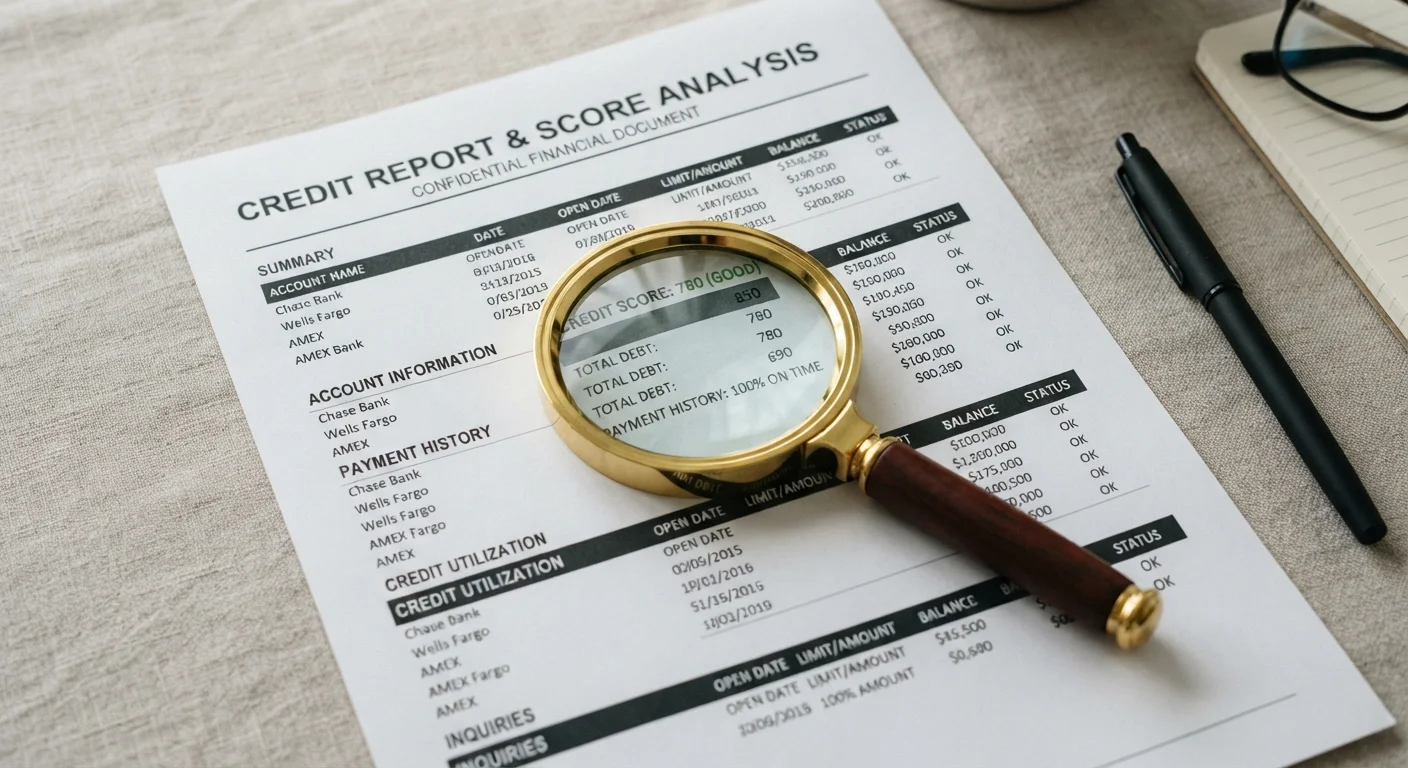
Photo: InsightsVilla.com | Quick Search. Right Info editorial
Key Takeaways
- Checking your own credit score never hurts it - only certain lender inquiries do.
- Closing an old credit card can actually lower your score by reducing available credit.
- Carrying a small balance on your card does not build credit faster than paying it off.
- A single missed payment can stay on your credit report for up to seven years.
- You have multiple credit scores, and lenders may use a different version than you see.
Why Credit Score Myths Spread So Easily
Credit scores sit at the center of some of the biggest financial decisions in a person's life - mortgages, car loans, apartment applications, even some job screenings. Yet most people receive almost no formal education on how they actually work. That knowledge gap gets filled by word of mouth, outdated advice, and well-meaning but incorrect tips passed down through families and friends.
The result is a set of persistent myths that cause real harm. People avoid checking their own credit out of fear, close accounts thinking they're being responsible, or carry unnecessary balances every month paying interest they don't owe. Clearing up these misunderstandings isn't just an academic exercise - it can genuinely affect your financial standing.
Myth
Checking your own credit score will lower it.
Fact
Checking your own credit is a 'soft inquiry' and has no effect on your score whatsoever.
This myth stops a lot of people from monitoring their own credit - which is exactly the wrong move. There are two types of credit inquiries: soft and hard. A soft inquiry happens when you check your score, or when a lender pre-screens you for an offer. A hard inquiry happens when you formally apply for new credit. Only hard inquiries affect your score, and even then, the impact is usually small and temporary. Checking your own report regularly is one of the best ways to catch errors early. For guidance on fixing mistakes, see how to dispute a credit report error.
Myth
Closing old credit cards you no longer use is good for your credit.
Fact
Closing old accounts can hurt your score by shrinking your available credit and shortening your credit history.
Two key factors in your credit score are your credit utilization ratio - how much of your available credit you're using - and the average age of your accounts. When you close an old card, you lose that card's credit limit, which instantly raises your utilization ratio if you carry any balances elsewhere. You also reduce the average age of your open accounts over time. Neither outcome helps your score. If a card has no annual fee, keeping it open and occasionally using it for a small purchase is generally the smarter move. Learn more about the five factors that shape your credit score.
Myth
Carrying a small balance on your credit card helps build credit.
Fact
Paying your balance in full each month is just as effective for building credit - and costs you nothing in interest.
This myth likely started as a misunderstanding of how credit utilization works. Lenders do want to see that you use credit, but they don't need you to carry a balance to confirm that. What matters is that activity is reported to the bureaus - and even paying in full each month shows up as active, responsible use. Carrying a balance only benefits your card issuer by generating interest charges. There is no scoring benefit to paying interest on purpose.
Myth
Missing one payment won't really matter if your credit is otherwise good.
Fact
A single missed payment - once 30 days past due - can significantly damage your score and stay on your report for seven years.
Payment history is the single largest component of most credit scores, typically accounting for around 35% of your score. A payment that's 30 or more days late gets reported to the credit bureaus and can drop your score by a meaningful amount, even if everything else on your report is clean. The higher your score going in, the more dramatic the drop can be. The negative mark doesn't simply fade - it can remain on your report for up to seven years. Setting up autopay for at least the minimum due is one of the simplest ways to protect yourself. Habits that quietly damage credit over time are worth understanding too.
Myth
There is one universal credit score that all lenders see.
Fact
There are many different credit scoring models, and the score you see may differ from what a lender pulls.
FICO alone has dozens of scoring models, and VantageScore is another widely used system. Different lenders use different versions depending on the type of credit you're applying for - an auto lender may pull a version optimized for car loans, while a mortgage lender uses yet another. The score shown in your banking app or a free monitoring service is often a consumer-facing version that won't match exactly. This doesn't mean those scores aren't useful - they reflect the same underlying data - but don't be surprised if the number a lender sees is slightly different. For more on how auto financing intersects with credit scores, see myths about credit scores and car financing.
What Actually Matters for Your Score
Once you strip away the myths, the fundamentals of credit scoring are straightforward. Pay your bills on time, keep your balances well below your credit limits, and don't apply for a lot of new credit all at once. Those three habits do more for your score than any shortcut or workaround.
Don't Assume the Score You See Is the Score Lenders Use
It also helps to check your credit reports regularly - ideally once a year from each of the three major bureaus - to make sure there are no errors dragging your score down without your knowledge. Errors on credit reports are more common than many people expect, and disputing an error on your credit report is a process you can handle on your own. Understanding the five factors that shape your credit score is a good place to start building that foundation.
This article is for general informational purposes only and does not constitute personalized financial or credit advice. Consider speaking with a qualified financial professional regarding your specific situation.
The content on this site is for informational purposes only and is not a substitute for professional advice. Always consult a qualified professional for guidance specific to your situation.