
Sleep Hygiene: The Habits That Shape How Well You Rest

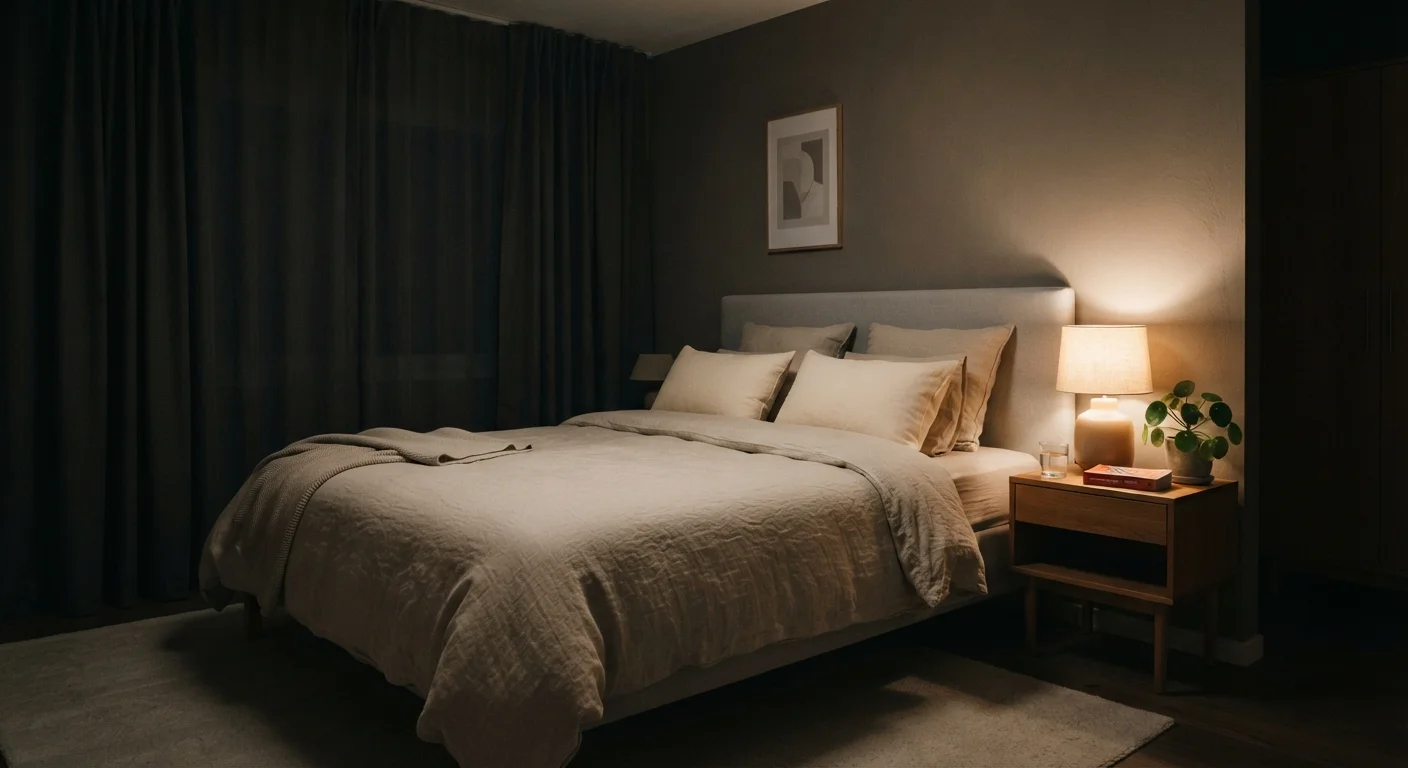
Photo: InsightsVilla.com | Quick Search. Right Info editorial
Key Takeaways
- Sleep hygiene refers to the daily behaviors and environment that shape sleep quality.
- Consistency in sleep timing is one of the most evidence-supported improvements you can make.
- Light exposure - especially blue light from screens - directly affects your body's sleep-wake signals.
- A cool, dark, quiet room supports the conditions your body needs to fall and stay asleep.
- Persistent poor sleep may signal an underlying condition that warrants professional evaluation.
- Small, sustainable habit changes tend to produce more lasting results than drastic overhauls.
What Sleep Hygiene Actually Means
Sleep hygiene is a clinical term for the collection of behaviors, routines, and environmental conditions that influence how well you sleep. It doesn't mean being tidy about bedtime - it means understanding that sleep quality is shaped long before your head hits the pillow.
Researchers and clinicians use the term because sleep is not a passive event. Your body begins preparing for sleep hours in advance through hormonal shifts, temperature drops, and changes in brain activity. The habits layered across your day either support or disrupt those processes.
It's worth noting upfront: this article covers general sleep health information for educational purposes. It is not a substitute for medical advice. If you're experiencing serious, persistent sleep difficulties, speaking with a qualified healthcare provider is the appropriate next step.
A Note on Individual Variation
How Your Daily Habits Influence the Night
What you do between waking and sleeping matters considerably. Caffeine, for instance, has a half-life of roughly five to six hours in most adults - meaning a mid-afternoon coffee can still be active in your system late in the evening. Similarly, vigorous exercise close to bedtime elevates core body temperature and adrenaline in ways that can delay sleep onset for some people, though the overall effect varies between individuals.
Alcohol is commonly misunderstood as a sleep aid. While it may help some people fall asleep faster, research consistently shows it disrupts the deeper, more restorative stages of sleep later in the night, often causing wakefulness in the early morning hours.
1 in 3
U.S. adults not getting enough sleep
According to the CDC, about one-third of American adults regularly sleep less than the recommended seven hours per night.
5-6 hrs
Caffeine half-life in most adults
Research on caffeine metabolism suggests it remains active in the body for many hours, influencing alertness well into the evening.
7-9 hrs
Recommended sleep for most adults
The American Academy of Sleep Medicine and Sleep Research Society jointly recommend seven to nine hours for adults aged 18-60.
Eating patterns also play a role. Large, heavy meals in the hours before bed can cause discomfort that interferes with settling down. For more on how food choices connect to overall wellness, explore the Nutrition & Diet hub for evidence-informed guidance.
Anchor your wake time first - before you try to adjust when you fall asleep. A consistent wake time is the most reliable way to regulate your circadian rhythm over time.
If you can't fall asleep after about 20 minutes, get out of bed and do something calm in dim light until you feel sleepy - rather than lying awake watching the clock.
Your Sleep Environment Matters More Than You Think
The physical space where you sleep sends powerful signals to your nervous system. Temperature is particularly influential: most sleep researchers point to a cooler room - generally in the mid-to-low 60s Fahrenheit range - as conducive to sleep, because your core body temperature naturally drops as you approach and enter deeper sleep stages.
Noise and light are the other major environmental variables. Even low-level ambient light can suppress melatonin production, the hormone that signals nighttime to your brain. Blackout curtains, eye masks, or repositioning light-emitting devices can make a measurable difference. For noise, white noise machines or earplugs work for some people - the goal is reducing unpredictable sound disruption rather than achieving total silence.
The Role of Light, Screens, and Circadian Rhythm
Your circadian rhythm is your body's internal clock. It's primarily regulated by light - specifically the presence or absence of it. Morning light exposure helps anchor your clock earlier, making it easier to feel sleepy at an appropriate hour in the evening. Dim evenings reinforce that shift.
Screens complicate this because they emit short-wavelength blue light, which the brain interprets as daylight. Using phones, tablets, or laptops in the hour or two before bed can delay melatonin release and push your sense of sleepiness later into the night. This is distinct from broader device concerns - for perspective on phone use habits in general, see The Truth About Charging Your Phone Overnight.
A consistent wind-down practice before bed can help your nervous system transition. For a structured approach, Building a Sustainable Wind-Down Routine Before Bed offers practical strategies grounded in how your biology actually works.
Don't Use Screens as a Wind-Down Tool
When Poor Sleep Is More Than a Bad Habit
Not all sleep difficulties stem from lifestyle choices. Conditions like insomnia disorder, sleep apnea, restless leg syndrome, and circadian rhythm disorders have physiological components that sleep hygiene alone won't resolve. If you've consistently applied sleep-supportive habits for several weeks without improvement, or if your sleep problems are accompanied by symptoms like loud snoring, gasping, or significant daytime impairment, that warrants a conversation with a doctor.
Sleep is also deeply connected to mental health. Anxiety, depression, and chronic stress frequently manifest as disrupted sleep - and poor sleep, in turn, worsens emotional regulation. It can be a reinforcing cycle. Checking in broadly on your mental wellness is worthwhile; Checking In on Your Own Mental Health: A Personal Audit offers a useful self-assessment framework.
Seek Help for Persistent Sleep Problems
Building Habits You Can Actually Sustain
The research on behavior change consistently shows that small, consistent adjustments outperform ambitious overhauls. Trying to restructure your entire evening all at once tends to be unsustainable. Instead, anchoring one new habit at a time - say, a consistent wake time before adjusting bedtime - allows the nervous system to adapt gradually.
Regularity is widely considered the single highest-leverage sleep habit: going to bed and waking at consistent times, including weekends, reinforces the circadian rhythm in ways that improve both sleep onset and sleep depth over time.
How you start the morning matters too. Light exposure, movement, and avoiding the urge to lie in bed scrolling all support a well-anchored clock. Morning Routine Elements That Support Emotional Stability explores how morning habits connect to broader emotional regulation throughout the day.
If you've ever noticed feeling more fatigued after an unstructured weekend of sleeping in and staying sedentary, Why You Feel Worse After a Long Weekend of Doing Nothing explains the science behind that pattern.
This article is for general informational and educational purposes only and does not constitute medical advice. Always consult a qualified healthcare professional for concerns about your sleep health or any related symptoms.
CDC Sleep and Sleep Disorders
The Centers for Disease Control and Prevention offers evidence-based overviews of sleep health, recommended durations by age, and information on common sleep disorders.
American Academy of Sleep Medicine (AASM)
The AASM publishes clinical guidelines and patient education resources on sleep disorders, insomnia treatment, and sleep health best practices.
Sleep Foundation
A non-profit organization providing accessible, research-reviewed content on sleep topics ranging from sleep hygiene basics to specific conditions and treatments.
CBT-I Coach App
Developed by the U.S. Department of Veterans Affairs, this app supports cognitive behavioral therapy for insomnia techniques - useful for those working through structured sleep improvement with or alongside a provider.
The content on this site is for informational purposes only and is not a substitute for professional advice. Always consult a qualified professional for guidance specific to your situation.