
How Americans Fell in Love with Craft Beer

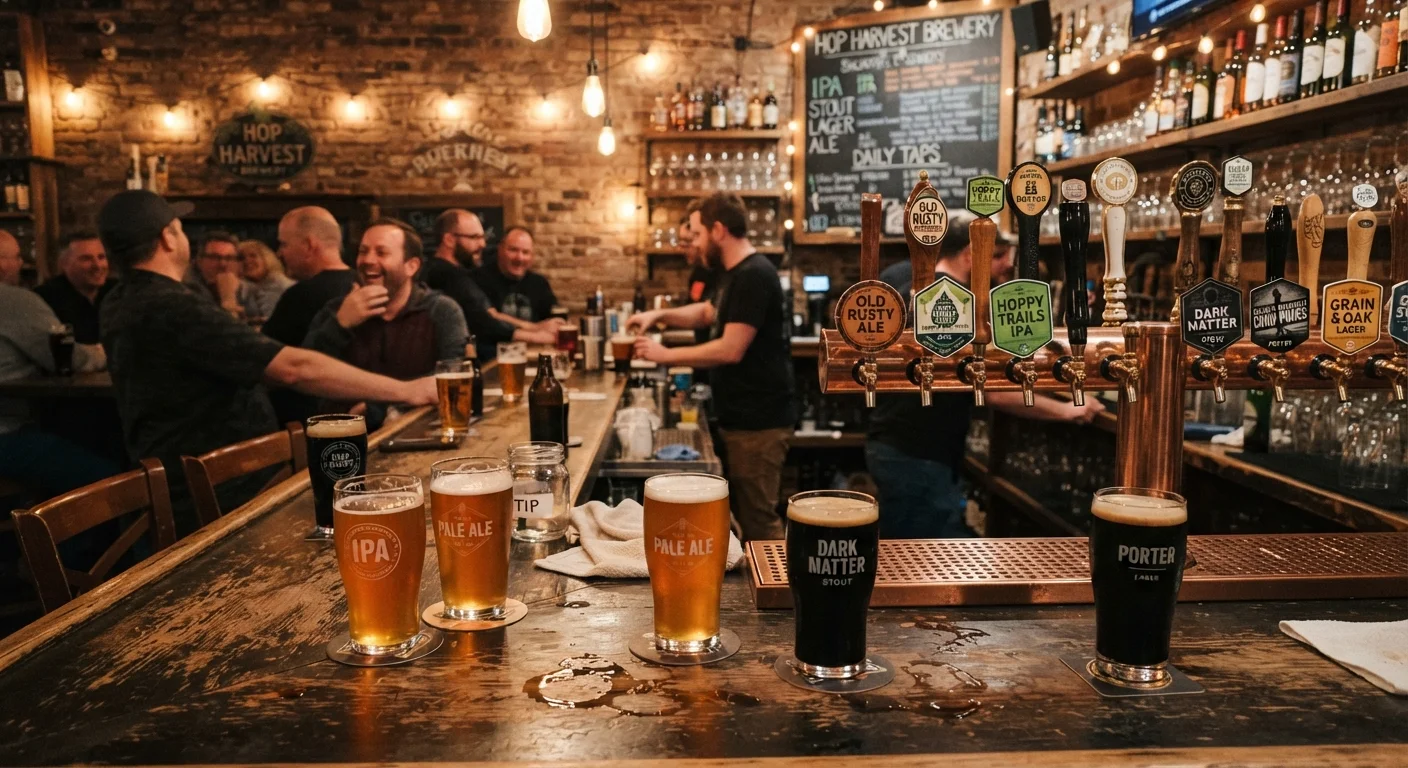
Photo: InsightsVilla.com | Quick Search. Right Info editorial
Key Takeaways
- The craft beer movement traces its roots to homebrewing legalization in 1978 under President Carter.
- The number of U.S. craft breweries grew from fewer than 100 in the early 1980s to over 9,000 by the early 2020s.
- Craft beer appeals to drinkers who want variety, local identity, and flavor complexity beyond mass-market lagers.
- IPAs remain the most popular craft beer style in America by volume sold.
- Craft breweries often anchor local economies and serve as community gathering spaces.
A Nation of Bland Beer - and Then Something Changed
For much of the 20th century, American beer meant one thing: light, fizzy, inoffensive lager produced by a handful of giant breweries. By the 1970s, industry consolidation had left drinkers with precious little variety. But that was about to change dramatically.
In 1978, President Jimmy Carter signed legislation that legalized homebrewing at the federal level for the first time since Prohibition. Almost overnight, curious Americans started experimenting in their kitchens and garages with recipes inspired by European ales and historical styles that had all but vanished from store shelves. That grassroots fermentation - pun very much intended - planted the seeds of an industry transformation.
9,000+
U.S. craft breweries operating in the early 2020s
According to the Brewers Association, the number of operating craft breweries grew from fewer than 100 in 1980 to over 9,000 by the early 2020s.
~25%
Craft beer's share of U.S. beer sales by dollar value
The Brewers Association has estimated that craft beer accounts for roughly a quarter of total U.S. beer retail dollar sales.
1978
Year federal homebrewing was legalized
President Carter's signing of H.R. 1337 that year removed federal restrictions on home production of beer and wine for personal use.
From Garages to Taprooms: The Brewery Boom
By the early 1980s, a handful of pioneering small breweries had opened their doors in California, Colorado, and the Pacific Northwest. Names from that era helped establish what an American craft brewery could look like - neighborhood-scale operations where the brewer and the customer might actually shake hands.
Growth was gradual through the 1980s and into the 1990s, then explosive from the 2000s onward. Loosening state regulations on taprooms, growing consumer appetite for local products, and the rise of food culture all fed the momentum. Craft brewing mirrored a broader American turn toward artisan, locally sourced goods - not unlike what happened in coffee culture, which you can explore in our look at the American coffee landscape.
Exploring Craft Beer Without the Overwhelm
Why Americans Took to It So Enthusiastically
Flavor is the obvious answer, but the story is richer than that. Craft beer offered something mass-market lagers never could: a sense of place and identity. A brewery in Vermont feels different from one in Texas or Oregon, and those regional personalities often show up in the glass.
Social dynamics played a role too. Taprooms became community anchors - places to linger, talk, and connect over something local rather than corporate. The culture around craft beer embraced curiosity: trying a new seasonal release or a funky sour ale became a low-stakes adventure. That spirit of exploration resonated with a generation of drinkers raised on farmers markets and food truck festivals.
“What the craft beer movement did was remind Americans that beer could be interesting - that it had as much complexity and regional character as wine or cheese. Once people tasted that, there was no going back.”
— Julia Herz, Former Craft Beer Program Director, Brewers Association
The Styles That Defined the Movement
No style shaped American craft beer's identity more than the India Pale Ale. American brewers took the historic British recipe and pushed it somewhere entirely new - aggressively hopped, aromatic, and assertively bitter in a way that divided opinion but built a devoted following. The West Coast IPA gave way to the hazy New England IPA, which softened the bitterness while cranking up tropical fruit aromas, and the style's popularity hasn't slowed.
Beyond IPAs, craft brewing gave Americans access to styles that had rarely appeared here before: Belgian-inspired saisons, barrel-aged imperial stouts, tart Berliner Weisses, and smoked porters. Each style opened a different door into brewing history and global tradition.
Where the Industry Stands Today
The craft segment now represents a meaningful share of U.S. beer sales by dollar value, even as overall beer consumption faces competition from hard seltzers, canned cocktails, and non-alcoholic alternatives. Many small breweries have navigated those headwinds by leaning into what they do best: experimentation, community, and local loyalty.
Not every trend has been seamless - some breweries have faced challenges from larger companies acquiring craft-sounding brands, blurring the line between genuine independent craft and what critics call "crafty" beer. The Brewers Association's independence seal was introduced partly to help consumers identify truly independent producers.
Whatever the next chapter holds, craft beer's influence on American drinking culture is permanent. It fundamentally changed what Americans expect from a pint - and that, once changed, doesn't easily go back.
Frequently Asked Questions
The content on this site is for informational purposes only and is not a substitute for professional advice. Always consult a qualified professional for guidance specific to your situation.