
How the American Workweek Became 40 Hours - and Whether That's Changing

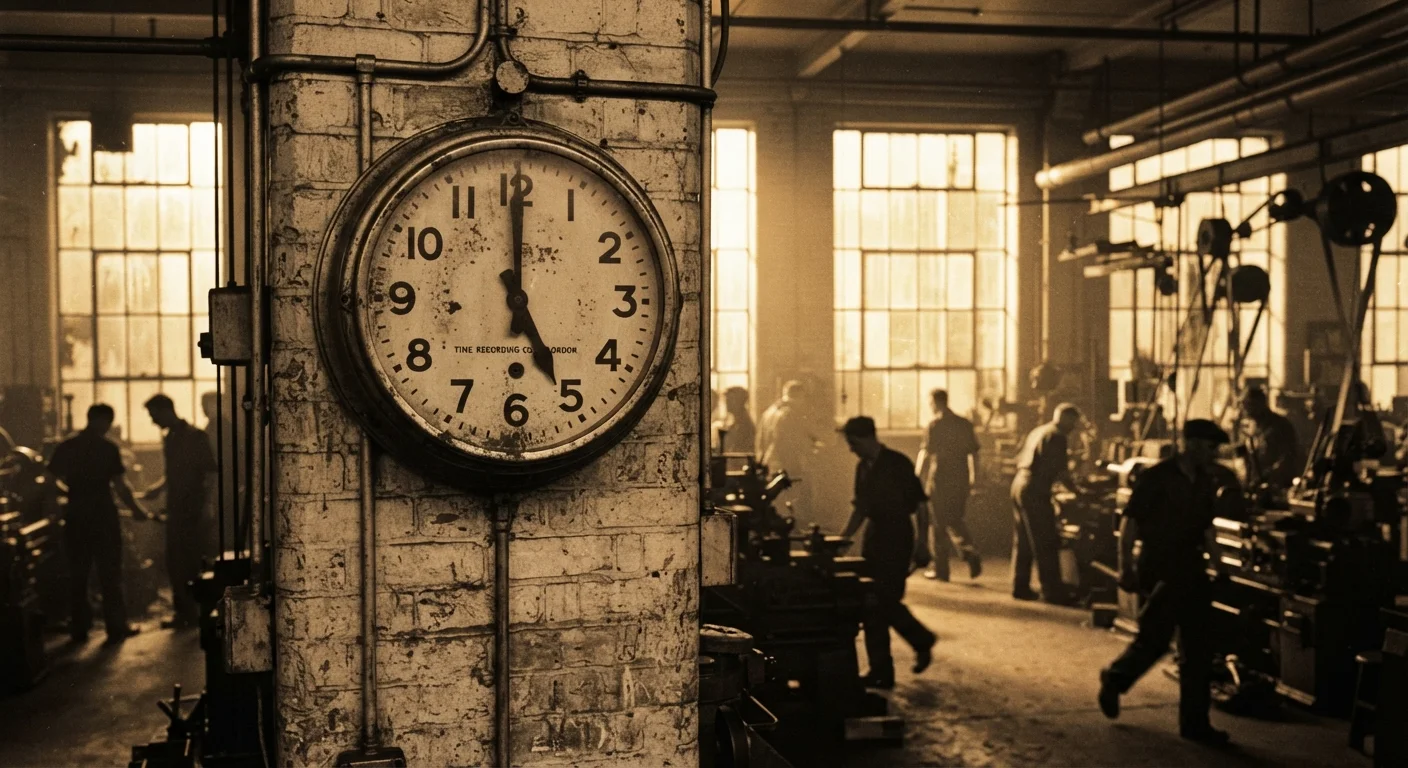
Photo: InsightsVilla.com | Quick Search. Right Info editorial
Key Takeaways
- The 40-hour workweek became federal law in 1940 after decades of labor organizing and political pressure.
- Henry Ford's early adoption of the 5-day, 40-hour week helped demonstrate its economic viability to other employers.
- The U.S. is one of the few wealthy nations without federally mandated paid vacation time.
- Remote work and the pandemic accelerated debate about whether the traditional schedule still makes sense.
- Four-day workweek pilot programs in several countries have shown promising results for productivity and well-being.
Before 40 Hours: The Grueling Reality of Early American Labor
In the 19th and early 20th centuries, there was no standard American workweek. Factories ran on whatever schedule owners dictated - often 10 to 16 hours a day, six or seven days a week. Child labor was widespread, safety standards were minimal, and the idea that workers deserved protected time off was considered radical by many employers.
Labor unions began pushing back in the mid-1800s. The rallying cry of the eight-hour movement - "Eight hours for work, eight hours for rest, eight hours for what we will" - captured a vision of human dignity that went well beyond wages. Strikes, protests, and the long political struggle that followed gradually shifted public opinion and, eventually, the law.
The Eight-Hour Movement Predates Federal Law by Decades
How the 40-Hour Standard Was Built - Piece by Piece
The path to a federally protected 40-hour limit involved an unlikely mix of labor activism, corporate pragmatism, and New Deal politics. In 1926, Henry Ford made headlines by switching Ford Motor Company to a five-day, 40-hour schedule - not out of altruism, but because he believed well-rested workers with leisure time would be more productive consumers. His results helped make the economic case that shorter hours didn't have to mean lower output.
The real legal breakthrough came with the Fair Labor Standards Act of 1938, signed during the Great Depression as part of President Franklin D. Roosevelt's effort to regulate working conditions nationally. The Act set a maximum of 44 hours per week initially, phasing down to 40 hours by 1940. It also established the federal minimum wage and child labor protections - changes that fundamentally reshaped American working life.
1938
Year the Fair Labor Standards Act was signed
The FLSA established the federal 40-hour workweek standard, phased in fully by 1940, and remains the foundational U.S. labor law governing hours and overtime.
0
Federally mandated paid vacation days in the U.S.
Unlike most other wealthy nations, the United States has no federal law requiring employers to provide paid vacation, sick leave, or parental leave.
1,791
Average annual hours worked per U.S. worker
According to OECD data, American workers put in significantly more hours per year than workers in Germany (approximately 1,340) or France (approximately 1,500).
Why the U.S. Still Works More Than Most Wealthy Nations
Even with the 40-hour standard on the books, American workers have long logged more hours than their counterparts in Europe or Canada. According to OECD data, Americans average significantly more annual working hours than workers in Germany, France, or the Netherlands. A key reason: unlike most wealthy countries, the United States has no federal law requiring paid vacation, paid sick leave, or paid parental leave.
Cultural attitudes play a role too. Productivity and long hours have often been treated as measures of personal worth in American professional life - a dynamic that researchers sometimes call "overwork culture." The result is that even workers entitled to time off frequently don't take all of it. How that plays out in daily life can look very different depending on where you live - whether you're commuting from the suburbs or walking to a downtown office shapes the rhythm of the workday in real ways. See our piece on how where you live shapes your daily rhythms for more on that.
Is the 40-Hour Week Finally Starting to Shift?
The COVID-19 pandemic disrupted the traditional workweek more thoroughly than any legislation had in decades. Millions of Americans worked from home, often on irregular schedules, and many began questioning whether the 9-to-5 framework was a necessity or simply a habit. Remote and hybrid work arrangements became mainstream in office-based industries almost overnight.
At the same time, interest in the four-day workweek has grown notably. Pilot programs in the United Kingdom, Iceland, Japan, and elsewhere found that many workers maintained or even improved their output while working fewer days - and reported substantially better mental health and job satisfaction. A handful of U.S. companies have experimented with similar models, though adoption remains limited and uneven across industries.
Knowing Your Overtime Rights Matters
The conversation about work-life balance is part of a broader set of shifting American social expectations - much like the ongoing renegotiation of customs such as tipping, which has its own complicated history of labor and social norms. Whether the 40-hour week eventually joins that list of habits Americans revisit and revise remains an open question - but the conversation has clearly begun.
“The fight for the eight-hour day was not just about time - it was about who owned your life. Workers wanted the right to rest, to learn, to participate in society. That's a very American idea, even if it took a very long time to become law.”
— Nelson Lichtenstein, Labor historian and professor at the University of California, Santa Barbara
Frequently Asked Questions
The content on this site is for informational purposes only and is not a substitute for professional advice. Always consult a qualified professional for guidance specific to your situation.