
A Budgeting Method for Every Money Personality

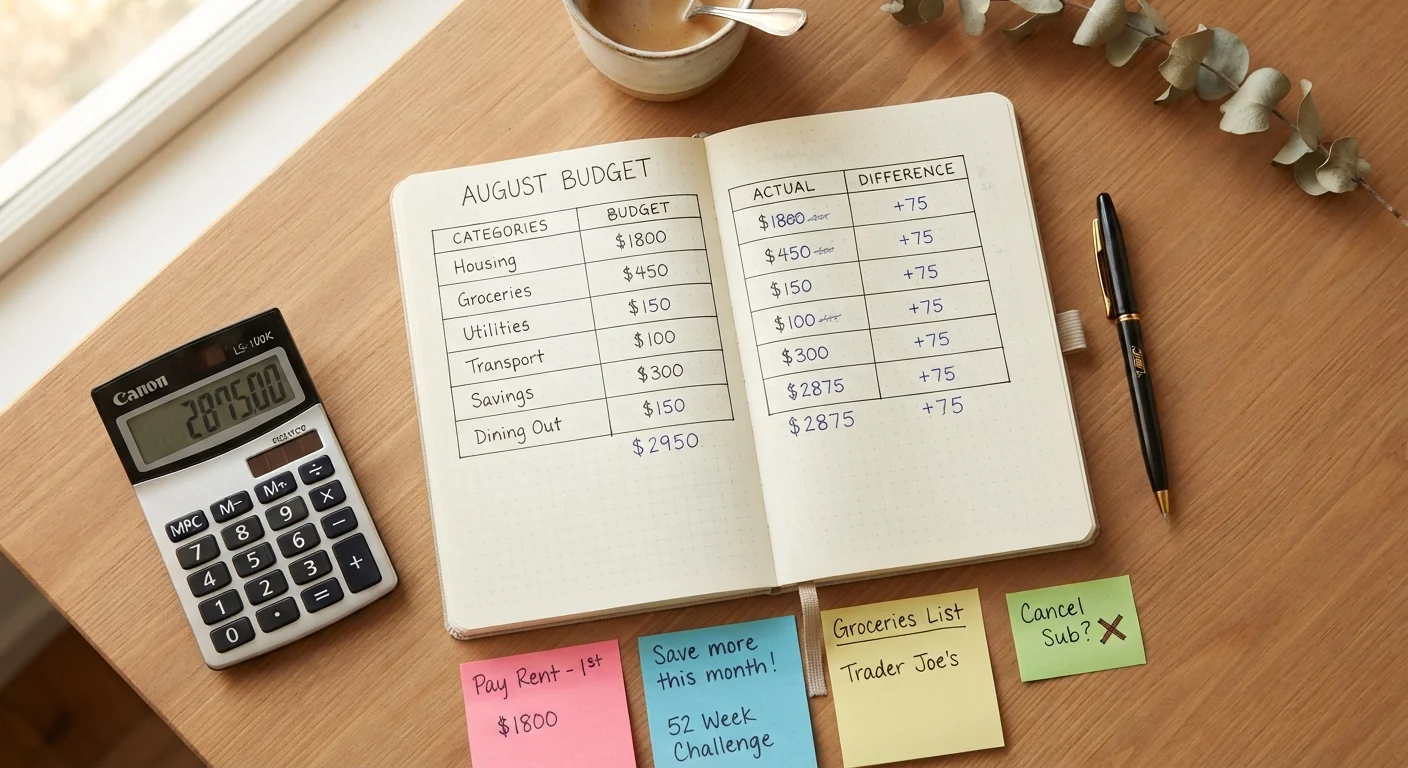
Photo: InsightsVilla.com | Quick Search. Right Info editorial
Key Takeaways
- No single budgeting method works for everyone - your habits and personality matter as much as the math.
- Simple frameworks like the 50/30/20 rule lower the barrier to entry for budgeting beginners.
- Detailed approaches like zero-based budgeting reward people who like knowing where every dollar goes.
- Envelope and cash-based methods can curb overspending for people who struggle with digital tracking.
- You can combine elements from multiple methods to build a hybrid that fits your real life.
Why Your Budgeting Style Matters
Most budgeting advice treats everyone the same - here's a spreadsheet, track every penny, done. But spending habits are personal. Some people thrive on detail and want a line item for every coffee. Others find that level of tracking exhausting and abandon the whole effort by week two.
The good news: there are genuinely different budgeting frameworks, and several of them work well - just for different types of people. Picking a method that fits how you already think about money makes it far more likely you'll stay with it. If you've tried budgeting before and quit, it may not have been a willpower problem. It may have been a method mismatch.
If you believe budgeting has to mean deprivation or complicated spreadsheets, it's worth reading up on common budget myths before you rule it out entirely.
The 50/30/20 Rule - for the Big-Picture Thinker
This method divides your after-tax income into three broad buckets: 50% for needs (rent, groceries, utilities), 30% for wants (dining out, entertainment, subscriptions), and 20% for savings and debt repayment. That's it - no subcategories, no line-item tracking.
It suits people who want guardrails without micromanagement. The tradeoff is precision: you won't catch gradual creep in individual spending categories until you're noticeably over a bucket. For a loose-and-livable framework, though, it's hard to beat as a starting point.
Three buckets, one rule - the 50/30/20 method keeps budgeting manageable for big-picture thinkers.
Zero-Based Budgeting - for the Detail-Oriented Planner
Zero-based budgeting means assigning every dollar of income a specific purpose before the month begins - until income minus allocations equals zero. Nothing is unaccounted for. If you earn $3,800, you plan out all $3,800: rent, groceries, savings, a small fun fund, whatever the categories are.
This approach works well for people who like control, enjoy spreadsheets, or are actively trying to pay down debt. It requires more upfront effort and regular check-ins throughout the month. Zero-based budgeting explained in full can help you decide whether the detail level is right for you.
Zero-based budgeting gives every dollar a job - ideal for planners who want full visibility.
The Envelope Method - for the Tactile or Impulsive Spender
Originally a cash-only system, the envelope method involves allocating physical cash into labeled envelopes for each spending category - groceries, gas, dining out, and so on. When an envelope is empty, spending in that category stops for the month.
The friction of handing over physical cash tends to make spending feel more real than tapping a card. Many people adapt this method digitally today, using separate sub-accounts or budgeting apps that mimic the envelope structure. Either way, it's particularly effective for people who know they overspend in certain categories and want a hard stop built in.
Emptying a physical envelope makes overspending concrete in a way that card transactions rarely do.
Pay-Yourself-First - for the Savings-Focused but Spending-Averse Tracker
Instead of budgeting what you spend, this method starts by automating savings and investment contributions the moment income arrives - then spending whatever remains, however you like. The priority is getting money out of your checking account before you have a chance to spend it.
It's a good fit for people who find detailed expense tracking tedious but still want to build savings consistently. The limitation: if your remaining spending is genuinely too high, you may still run short. This method works best when core expenses are predictably manageable.
Automate savings first, spend the rest freely - no tracking required with pay-yourself-first.
Paycheck-Based Budgeting - for the Biweekly or Irregular Earner
Rather than planning money on a monthly calendar, this approach aligns spending decisions with each paycheck. You decide which bills and expenses each paycheck covers before it arrives, preventing the common problem of spending freely early in the month and scrambling at the end.
It maps naturally onto biweekly pay cycles and can be adapted for irregular income. Monthly versus paycheck budgeting digs into the tradeoffs between these two cadences if you're weighing both options.
Budgeting by paycheck rather than by month can prevent late-month cash crunches.
Finding What Works for You
None of these methods requires perfection. The goal is a system that gives you enough visibility into your money to make decisions you feel good about. Start with whichever framework sounds least annoying, run it for a full month, and adjust from there.
Mix and Match What Works
If your income isn't a steady paycheck, that adds a layer of complexity. Budgeting on irregular income requires a slightly different approach - but the same personality-fit logic applies. And if you're managing money with a partner or roommate, shared-household budgeting introduces its own considerations worth thinking through.
This article is for general informational purposes only and does not constitute personalized financial advice. Consider speaking with a qualified financial professional about decisions specific to your situation.
The content on this site is for informational purposes only and is not a substitute for professional advice. Always consult a qualified professional for guidance specific to your situation.