
The Difference Between Burnout and Ordinary Tiredness

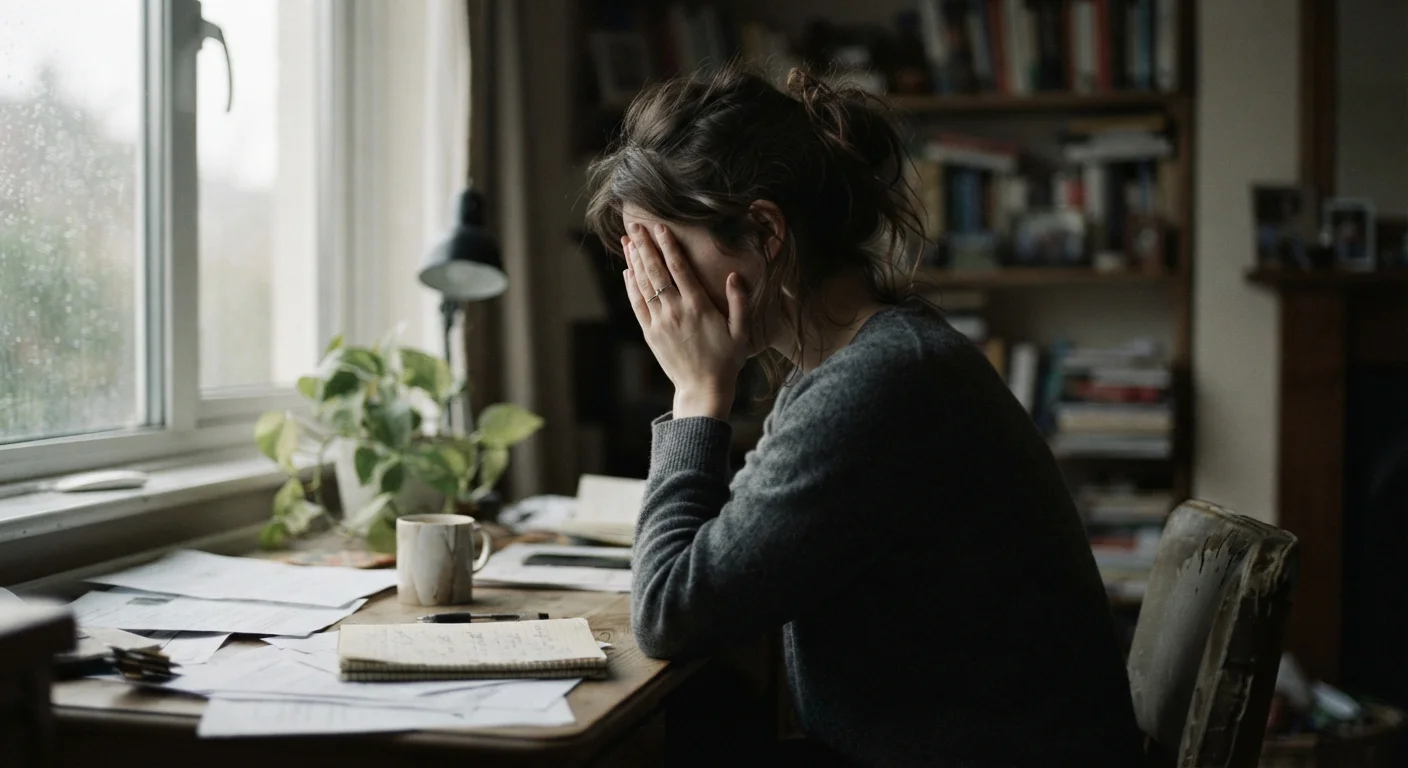
Photo: InsightsVilla.com | Quick Search. Right Info editorial
Key Takeaways
- Ordinary tiredness typically resolves after adequate rest; burnout does not respond to short-term recovery.
- Burnout involves emotional exhaustion and detachment, not just physical fatigue.
- Burnout develops gradually, often in high-demand environments with sustained pressure and little recovery time.
- Recognizing the distinction early matters - burnout that goes unaddressed tends to deepen over time.
- A healthcare professional can help assess whether what you are experiencing is burnout or another underlying condition.
Why the Distinction Matters
It is easy to dismiss serious exhaustion as simply needing a good night's sleep. But conflating burnout with everyday fatigue can lead people to reach for the wrong solutions - and in the process, overlook something that genuinely needs attention.
Ordinary tiredness is a healthy, functional signal. It tells you that your body and mind have exerted effort and need restoration. Burnout, by contrast, is recognized by the World Health Organization as an occupational phenomenon characterized by three core dimensions: overwhelming exhaustion, increasing mental distance or cynicism toward one's work, and reduced professional effectiveness.
If you have ever noticed persistent irritability, forgetfulness, or difficulty making decisions, it may be worth exploring whether your mental load has crossed a threshold. Our article on everyday signs your mental load has become too heavy can help you identify early patterns.
This article is general health information and is not a substitute for professional medical or mental health advice.
Ordinary Tiredness vs. Burnout: Key Differences
The two states can overlap in how they feel day-to-day, which is part of what makes them easy to confuse. The table below outlines the most clinically relevant distinctions.
| Ordinary Tiredness | Burnout | |
|---|---|---|
| Primary cause | Specific exertion or disrupted sleep | Prolonged, chronic stress with inadequate recovery |
| Response to rest | Improves noticeably with sleep or downtime | Persists despite rest; temporary relief only |
| Emotional state | Generally stable mood; tiredness is situational | Cynicism, detachment, or emotional numbness |
| Motivation | Returns after recovery | Significantly diminished; tasks feel meaningless |
| Duration | Short-term; resolves within days | Weeks to months; gradual onset |
| Physical symptoms | Sleepiness, muscle fatigue | Frequent illness, headaches, disrupted sleep patterns |
One telling test: how do you feel after a full weekend of rest? With ordinary tiredness, meaningful recovery is usually noticeable within a day or two. With burnout, a long weekend - or even a vacation - often provides only temporary relief, and the drained feeling returns quickly once demands resume. This is why passive rest sometimes leaves you feeling worse, not better.
How Burnout Develops Over Time
Burnout rarely arrives overnight. Research models, including the widely cited work of psychologists Herbert Freudenberger and Christina Maslach, describe burnout as a gradual process shaped by sustained exposure to high demands with insufficient recovery and support.
Common contributing factors include chronically heavy workloads, lack of autonomy or control, insufficient recognition, poor workplace relationships, and misalignment between personal values and the demands being placed on you. Any one of these alone may not cause burnout, but combinations - especially over months or years - erode the psychological resources that help people cope.
Track Your Energy Patterns Over Time
Physical fitness routines can serve as a meaningful buffer against stress, though they are not a cure for burnout. If you do use exercise as part of your wellness strategy, safe, consistent habits matter more than intensity.
When to Seek Professional Guidance
Many people experiencing burnout delay seeking help because they attribute their state to personal weakness or simply not working hard enough. This is a misconception worth naming directly: burnout is a response to sustained environmental and structural demands, not a character flaw.
Consider speaking with a healthcare provider or mental health professional if your exhaustion has persisted for several weeks, if you notice a significant drop in your sense of purpose or engagement, if physical symptoms such as disrupted sleep, frequent illness, or headaches have become regular, or if your relationships are being affected.
77%
Workers reporting workplace burnout
A survey by Deloitte found that 77% of respondents had experienced burnout in their current job, with more than half citing more than one occurrence.
3x
More likely to leave job when burned out
Gallup research has found that burned-out employees are significantly more likely to seek other employment than engaged colleagues, highlighting burnout's organizational impact.
A qualified professional can help determine whether what you are experiencing is burnout, depression, anxiety, a sleep disorder, or another condition - all of which can produce overlapping symptoms but require different approaches. Self-diagnosis is not reliable in this space, and early support tends to produce better outcomes than waiting until depletion becomes severe.
The content on this site is for informational purposes only and is not a substitute for professional advice. Always consult a qualified professional for guidance specific to your situation.