
Anxious Thoughts at Night: Why They Spike and How to Interrupt the Cycle

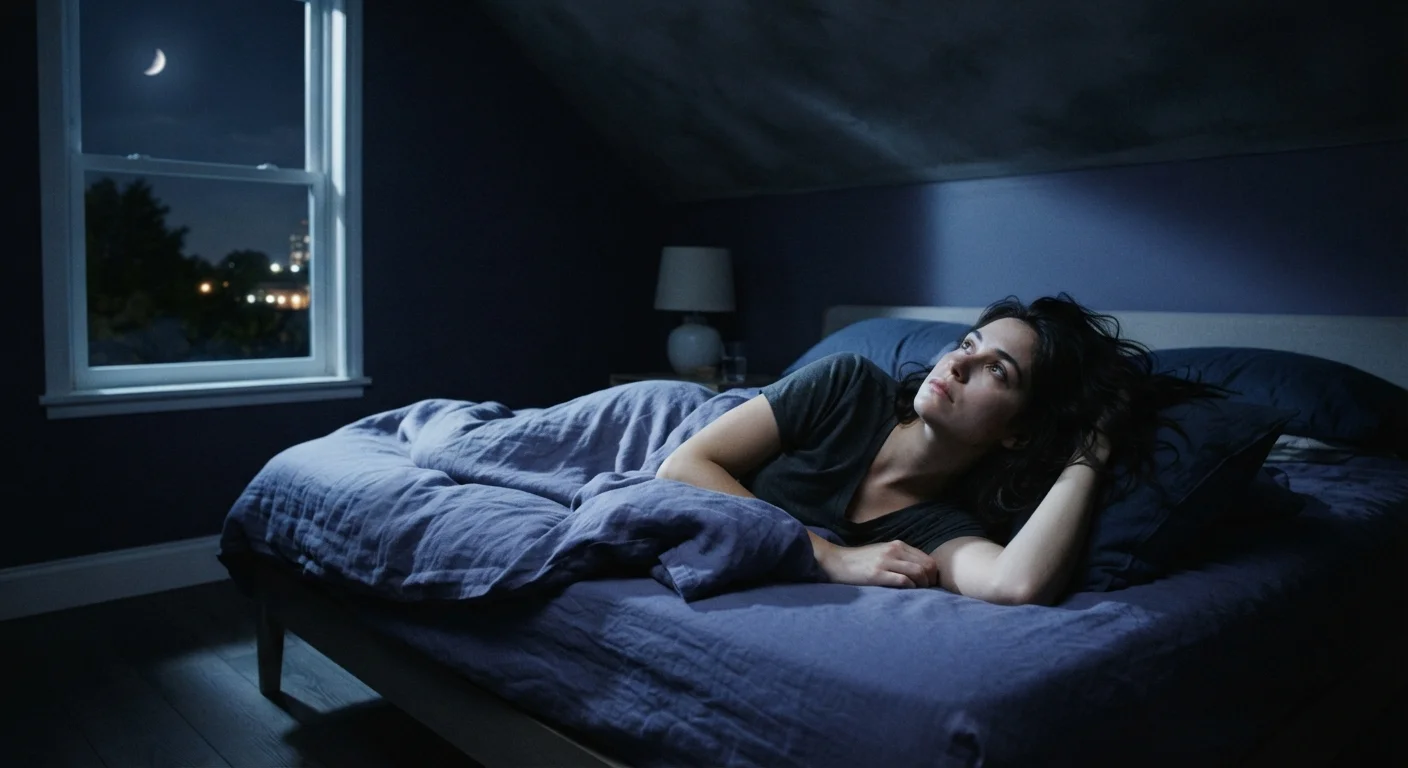
Photo: InsightsVilla.com | Quick Search. Right Info editorial
Key Takeaways
- Nighttime anxiety spikes because daytime distractions disappear, leaving thoughts unchecked.
- Several common bedtime habits can unintentionally amplify anxious thinking rather than calm it.
- Simple behavioral and cognitive strategies can help interrupt the cycle before it disrupts sleep.
- Persistent nighttime anxiety that affects daily functioning warrants professional support.
Why Anxiety Gets Louder After Dark
For many people, the moment they lie down is the moment their mind revs up. This isn't coincidence - it reflects the way our nervous system operates throughout the day. During waking hours, attention is occupied by tasks, conversations, and stimulation. At night, those external anchors vanish. The brain, still running on alert, fills the quiet with whatever unfinished mental business it has been carrying.
Research on cognitive arousal and insomnia suggests that intrusive thoughts at bedtime are partly a function of reduced sensory input. Without competing stimuli, worries that felt manageable at 2 p.m. can feel urgent at 11 p.m. Stress hormones like cortisol also follow a daily rhythm, and for some individuals that rhythm is disrupted, leaving the body in a state of physiological readiness at precisely the wrong time.
Understanding this mechanism matters because it shifts the framing: nighttime anxiety is not a personality flaw or a sign of weakness. It is a predictable response to how the brain processes unresolved stress - and that means it can be addressed with the right approaches.
~33%
Adults reporting significant sleep-related anxiety
Survey data from the American Psychological Association has consistently found roughly one in three U.S. adults report that stress interferes with sleep.
2-3×
Increased anxiety risk linked to chronic poor sleep
Epidemiological research suggests that individuals with persistent sleep difficulties face a two-to-three times greater likelihood of developing an anxiety disorder compared with sound sleepers.
Common Mistakes That Make Nighttime Anxiety Worse
Most people respond to racing bedtime thoughts in ways that feel intuitively soothing but that inadvertently keep the anxiety cycle spinning. Recognizing these patterns is essential before any strategy can take hold.
Scrolling through a phone or watching stimulating content right before bed.
Trying to forcefully suppress or 'stop' anxious thoughts through sheer willpower.
Checking the time repeatedly during the night.
Using alcohol to wind down before sleep.
Treating the bed as a place for planning, problem-solving, or ruminating.
Caffeine's Effect Lasts Longer Than You Think
Strategies That Actually Help
Interrupting the nighttime anxiety cycle requires both behavioral and cognitive tools. No single approach works for everyone, but the following evidence-informed habits have meaningful support.
Schedule worry time earlier in the day. Setting aside 15-20 minutes in the afternoon to deliberately write down concerns - and possible responses - gives the brain a designated outlet. This technique, sometimes called stimulus control for worry, reduces the likelihood that unprocessed concerns flood in at bedtime.
Use grounding techniques when thoughts spiral. Slow, diaphragmatic breathing (extending the exhale longer than the inhale) activates the parasympathetic nervous system, signaling safety to the body. Body-scan practices, which involve moving attention systematically through physical sensations, can redirect focus away from thought loops.
Build a consistent wind-down routine. A reliable pre-sleep sequence teaches the nervous system to anticipate rest. Dimming lights, limiting screens, and choosing calming activities in the final hour before bed are practical starting points. For a structured approach, see our guide to building a sustainable wind-down routine.
Avoid lying in bed awake for long periods. If sleep doesn't come within about 20 minutes, sleep specialists often recommend getting up and doing something calm in dim light until drowsiness returns. This preserves the mental association between bed and sleep rather than bed and worry.
When to Seek Professional Support
This article is for general informational purposes only and is not a substitute for professional mental health or medical advice. If nighttime anxiety is significantly affecting your sleep or daily life, please speak with a qualified healthcare provider.
The content on this site is for informational purposes only and is not a substitute for professional advice. Always consult a qualified professional for guidance specific to your situation.