
Walking for Fitness: Underestimated, Underused, and Genuinely Effective

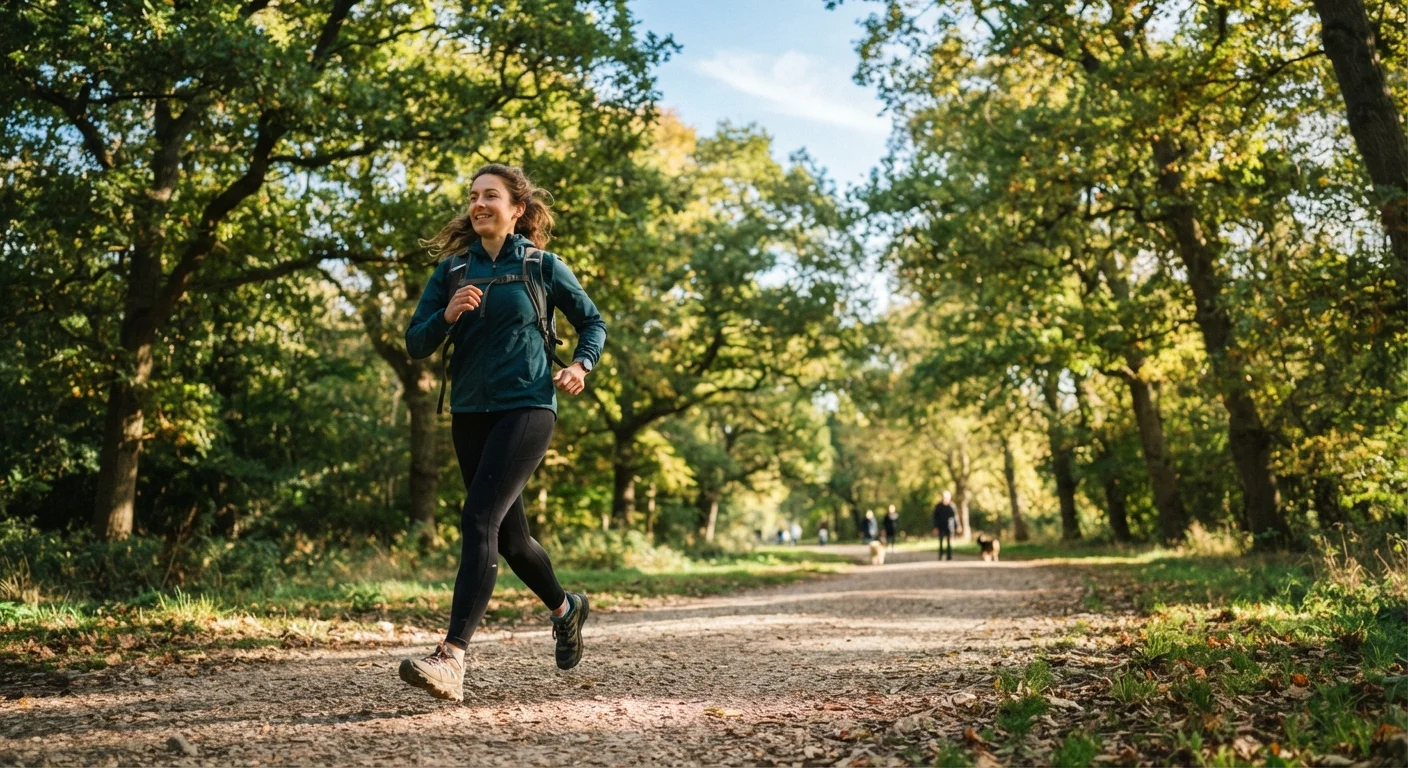
Photo: InsightsVilla.com | Quick Search. Right Info editorial
Key Takeaways
- Walking at a brisk pace delivers measurable cardiovascular and metabolic health benefits for most adults.
- Research links regular walking to reduced risk of heart disease, type 2 diabetes, and depression.
- Walking is low-impact, requires no equipment, and is sustainable across nearly all fitness levels.
- It is generally not sufficient as the sole strategy for significant strength gains or high-intensity fitness goals.
- Consistency matters more than intensity - daily walking outperforms occasional intense exercise for many health outcomes.
Accessible to nearly all fitness levels and ages
Walking requires no training background, specialised equipment, or gym membership, making it one of the most universally available forms of physical activity.
Supported by strong cardiovascular health research
Multiple large-scale studies associate regular brisk walking with reduced risk of heart disease, stroke, and high blood pressure, with benefits appearing at relatively modest daily distances.
Low injury risk compared to higher-impact exercise
The low-impact nature of walking places significantly less stress on joints than running or jumping, making it a practical option for those managing arthritis, recovering from injury, or carrying excess weight.
Measurable positive effects on mood and mental health
Research consistently links regular walking to reduced symptoms of anxiety and depression, with outdoor walking showing particular benefits for stress reduction and cognitive rumination.
Highly sustainable - low dropout rates over time
Walking's low barrier to entry and flexible nature make it easier to maintain as a long-term habit compared to more demanding exercise programmes, which matters enormously for cumulative health outcomes.
Supports metabolic health and blood sugar regulation
Post-meal walks in particular have been shown in research to help moderate blood glucose spikes, which is relevant to both diabetes prevention and general metabolic well-being.
Insufficient for building significant muscle strength
Walking provides minimal resistance stimulus to muscles, meaning it does not promote the muscle hypertrophy or strength gains that resistance training delivers. A combined approach is needed for those goals.
May not challenge fit individuals enough to progress
For adults who are already aerobically conditioned, brisk walking may fall below the intensity threshold needed to drive further cardiovascular adaptation, requiring higher-intensity activity to continue improving.
Limited caloric expenditure relative to time invested
Compared to running, cycling, or interval training, walking burns relatively fewer calories per unit of time - a consideration for those prioritising energy balance as a specific goal.
Weather and environment can limit consistency
Outdoor walking is subject to weather, traffic, and neighbourhood safety factors that can disrupt routine, particularly in winter months or urban environments without accessible pedestrian infrastructure.
Why Walking Gets Dismissed - and Why That's a Mistake
Walking occupies an odd place in American fitness culture. It's what you do when you're not doing a real workout. Gym marketing, social media, and the general intensity bias of the fitness industry have collectively convinced many people that unless an activity leaves them exhausted and sweaty, it doesn't count.
The research disagrees. Studies published in journals including JAMA Internal Medicine and The Lancet have consistently found that regular walking is associated with lower all-cause mortality, reduced cardiovascular risk, and improved mental health outcomes. These aren't marginal benefits from a marginal activity - they're substantial gains from something nearly any adult can do today, without equipment or a gym membership.
Many popular fitness beliefs overvalue intensity and undervalue consistency. Walking challenges that hierarchy directly.
Accessible to nearly all fitness levels and ages
Walking requires no training background, specialised equipment, or gym membership, making it one of the most universally available forms of physical activity.
Supported by strong cardiovascular health research
Multiple large-scale studies associate regular brisk walking with reduced risk of heart disease, stroke, and high blood pressure, with benefits appearing at relatively modest daily distances.
Low injury risk compared to higher-impact exercise
The low-impact nature of walking places significantly less stress on joints than running or jumping, making it a practical option for those managing arthritis, recovering from injury, or carrying excess weight.
Measurable positive effects on mood and mental health
Research consistently links regular walking to reduced symptoms of anxiety and depression, with outdoor walking showing particular benefits for stress reduction and cognitive rumination.
Highly sustainable - low dropout rates over time
Walking's low barrier to entry and flexible nature make it easier to maintain as a long-term habit compared to more demanding exercise programmes, which matters enormously for cumulative health outcomes.
Supports metabolic health and blood sugar regulation
Post-meal walks in particular have been shown in research to help moderate blood glucose spikes, which is relevant to both diabetes prevention and general metabolic well-being.
Where Walking Has Real Limitations
Honest assessment matters here. Walking is highly effective for a broad range of health goals, but it is not a complete fitness solution for everyone.
Insufficient for building significant muscle strength
Walking provides minimal resistance stimulus to muscles, meaning it does not promote the muscle hypertrophy or strength gains that resistance training delivers. A combined approach is needed for those goals.
May not challenge fit individuals enough to progress
For adults who are already aerobically conditioned, brisk walking may fall below the intensity threshold needed to drive further cardiovascular adaptation, requiring higher-intensity activity to continue improving.
Limited caloric expenditure relative to time invested
Compared to running, cycling, or interval training, walking burns relatively fewer calories per unit of time - a consideration for those prioritising energy balance as a specific goal.
Weather and environment can limit consistency
Outdoor walking is subject to weather, traffic, and neighbourhood safety factors that can disrupt routine, particularly in winter months or urban environments without accessible pedestrian infrastructure.
For adults whose goals include building muscular strength, increasing bone density through load-bearing resistance, or improving athletic performance, walking alone won't get them there. It's worth understanding what strength training and cardio each contribute so walking can be positioned appropriately within a broader plan.
Additionally, walking typically falls into what exercise physiologists call Zone 2 cardio - a low-to-moderate intensity range. Zone 2 training carries genuine long-term health benefits, but brisk walking may not challenge the cardiovascular systems of already-fit individuals enough to drive further adaptation.
What the Evidence Actually Shows
~7,500
Daily steps linked to lower mortality risk
A 2019 study in JAMA Internal Medicine found this step threshold was associated with significantly reduced all-cause mortality in older women.
30%
Reduction in cardiovascular disease risk
Research published in the British Journal of Sports Medicine associates faster walking pace with up to a 30% lower risk of cardiovascular events compared to slow walkers.
150 min
Weekly moderate activity recommended for adults
U.S. Physical Activity Guidelines recommend at least 150 minutes of moderate-intensity aerobic activity per week - a target brisk walking can meet.
Much of the landmark research on walking focuses on daily step counts and walking pace. A large 2019 study in JAMA Internal Medicine found that women who averaged around 7,500 steps per day had significantly lower mortality rates compared to those averaging 2,700. Importantly, benefits plateaued around that range - suggesting modest, consistent movement carries most of the advantage.
Brisk walking - generally defined as a pace that raises the heart rate and produces light breathlessness - appears to amplify benefits compared to slow walking. A 2022 analysis in the British Journal of Sports Medicine found faster walking pace was independently associated with lower risk of cardiovascular disease and all-cause mortality.
Mental health research is also encouraging. Walking in natural environments has been linked to reduced rumination and lower activity in brain regions associated with negative self-referential thought, according to research from Stanford University.
Step Counts Are a Guide, Not a Rule
Walking also fits naturally into the concept of non-exercise activity - movement spread throughout the day rather than confined to a single session. How you move outside structured workouts has a meaningful effect on metabolic health that a single gym visit can't fully offset.
Making Walking Work as a Sustainable Habit
The greatest advantage walking holds over many other forms of exercise is its sustainability. Dropout rates for high-intensity exercise programs are substantially higher than for moderate-intensity walking routines. For long-term health, a habit maintained for years beats a program abandoned after weeks.
Building exercise habits that last typically involves starting at a manageable level, attaching movement to existing routines, and avoiding the all-or-nothing mindset that derails many well-intentioned starts.
For older adults in particular, walking provides a low-impact way to maintain aerobic capacity, joint mobility, and balance. Physical activity in later decades looks different than in younger years, and walking often becomes the cornerstone of a sustainable movement plan.
The practical barrier to walking is genuinely low: comfortable footwear, a safe route, and a few minutes. That accessibility is not a weakness - it's the feature that makes walking one of the most broadly useful tools in public health.
This article is for general informational purposes only and does not constitute medical advice. Consult a qualified healthcare professional before beginning any new exercise program, especially if you have existing health conditions.
The content on this site is for informational purposes only and is not a substitute for professional advice. Always consult a qualified professional for guidance specific to your situation.