
Fitness & Movement

Before You Start a New Exercise Routine: A Personal Readiness Checklist

Before You Start a New Exercise Routine: A Personal Readiness Checklist

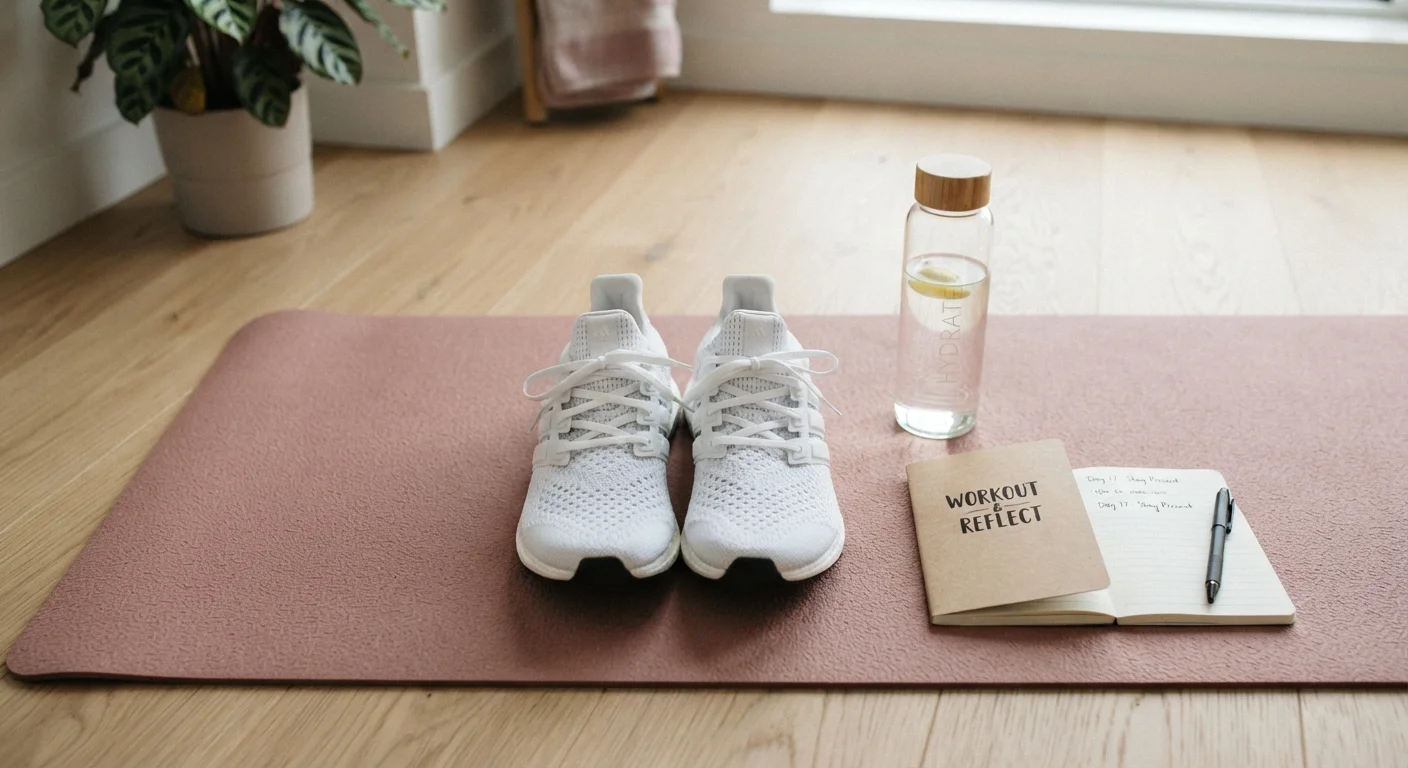
Photo: InsightsVilla.com | Quick Search. Right Info editorial

From sleep and hydration to health conditions and footwear, use this checklist to make sure you're set up for a safe and sustainable start to exercise.

Key Takeaways

  • Consulting your doctor before starting is essential if you have existing health conditions or haven't been active in years.
  • Sleep, hydration, and nutrition are foundational to safe and effective exercise — not afterthoughts.
  • Having the right footwear reduces injury risk significantly for beginners.
  • Setting realistic, specific goals helps you stay consistent through the inevitable hard days.
  • Recovery planning is part of the routine, not optional extra credit.

Why a Readiness Checklist Matters

Starting a new exercise routine is genuinely exciting — and it's easy to jump straight in without thinking through the basics. But small oversights at the start, from ignoring a nagging knee issue to skipping sleep the night before your first session, are responsible for a surprising number of early dropouts and preventable injuries.

This checklist is designed for everyday adults at any fitness level, whether you haven't exercised in years or you're returning after a break. Work through each category before your first workout, and revisit it whenever you're significantly changing your routine. For what comes next, see our week-by-week beginner roadmap once you've cleared these foundations.

See a Doctor First If This Applies to You

If you have a known heart condition, high blood pressure, diabetes, a history of dizziness or chest pain during exertion, or any condition that limits your movement, get medical clearance before beginning any exercise program. This checklist is general guidance — your healthcare provider can offer advice specific to your health history. This is especially important during pregnancy or if you are over 65.

What You'll Need

You don't need much to get started — but a few basics make a real difference in comfort, safety, and your ability to track progress. Gather these before you begin.

Required

Properly fitted athletic shoes

Appropriate footwear for your activity reduces joint stress and lowers the risk of common beginner injuries like shin splints.

Required

Water bottle

Keeping water accessible during workouts helps you maintain hydration without having to think about it.

Optional

Workout journal or notes app

Tracking your sessions — even briefly — helps you monitor progress and spot patterns in energy or soreness.

Optional

Resistance bands or light dumbbells

Simple, inexpensive equipment for at-home strength work that doesn't require a gym membership.

Optional

Yoga mat or exercise mat

Provides cushioning and grip for floor-based exercises, stretching, and bodyweight work.

The Readiness Checklist

Work through each group below. "Must" items are non-negotiable before your first session. "Should" items are strongly recommended to set yourself up for consistency. "Nice to have" items can come later but are worth considering early.

Health & Medical Clearance

Consult your doctor or healthcare provider if you have a chronic condition (such as heart disease, diabetes, hypertension, or joint problems), are pregnant, or haven't been physically active in more than a year. Must
Note any medications you take that may affect heart rate, hydration, or exertion tolerance, and ask your provider whether they affect exercise. Must
Identify any recurring pain, old injuries, or movement limitations so you can plan around them or get professional guidance. Must
Consider completing a basic health screening questionnaire — such as the PAR-Q (Physical Activity Readiness Questionnaire) — which many fitness professionals recommend for new exercisers. Should

Sleep & Recovery Foundation

Confirm you're getting sufficient nightly sleep (most adults need 7–9 hours) before adding the physical stress of a new routine. Must
Plan rest days into your weekly schedule from the start — recovery is when your body adapts to exercise, not a sign of weakness. Must
Establish a consistent sleep and wake time to support the hormonal rhythms that aid muscle repair and energy. Should

Nutrition & Hydration

Make sure you're eating enough total food to support added physical activity — underfueling is a common and underappreciated early mistake. Must
Drink water consistently throughout the day before and after exercise — thirst is not always a reliable early signal of dehydration. Must
Plan a light pre-workout snack if you'll be exercising more than an hour after your last meal, to avoid low energy mid-session. Should

Gear & Environment

Wear properly fitted athletic shoes appropriate for your planned activity — footwear is one of the most impactful injury-prevention investments you can make. Must
Choose comfortable, breathable clothing that doesn't restrict movement or cause chafing. Should
Identify a safe, accessible space for your workouts — whether that's a gym, a park, or a cleared area at home — before day one. Must
Consider a basic fitness tracker or even a simple journal to log sessions, which research suggests improves adherence. Nice to have

Goals & Mindset

Write down one specific, realistic goal for your first month — not weight loss or aesthetics, but a behavioral target like 'exercise three times a week for 20 minutes.' Must
Choose a starting intensity that feels manageable, not impressive — beginning too hard is the leading cause of early burnout and injury. Must
Identify what type of movement you actually enjoy, or at minimum don't dread, since enjoyment is the strongest predictor of long-term consistency. Should
Plan for the obstacle most likely to derail you — whether that's time, low energy, or motivation dips — before it happens. Nice to have

Don't Skip the Warm-Up

One of the most common beginner mistakes is going from zero to full intensity without a warm-up. Even five to ten minutes of light movement — brisk walking, gentle arm circles, or slow bodyweight squats — prepares your joints, muscles, and cardiovascular system for the work ahead. Skipping this step meaningfully increases your risk of strains and pulls, especially in the first few weeks when your body is still adapting.

Building lasting habits also means thinking about how the rest of your day supports your exercise — particularly your sleep. A consistent wind-down routine helps your body recover overnight so you're ready to move again. And if your mornings feel chaotic, exploring morning habits linked to emotional stability can make it easier to protect your workout time.

Using This Checklist Safely

This checklist is a general educational tool — it is not a substitute for personalized medical advice. If you have any health conditions, are pregnant, are over 65, or have been sedentary for an extended period, please speak with a qualified healthcare professional before beginning any new exercise program. They can help you identify any specific precautions relevant to your situation.

Once you've confirmed your readiness, your next focus should be building habits that keep you in the game for the long term. Our companion article on safe exercise habits for long-term consistency covers evidence-informed practices that reduce your risk of injury and burnout.

This article is for general informational and educational purposes only and does not constitute medical advice. Always consult a qualified healthcare provider before starting a new exercise program, especially if you have existing health conditions or concerns.

Health & Wellness Editorial Team

InsightsVilla.com | Quick Search. Right Info

Health & Wellness Editorial Team is the collective byline for our editorial team and contributor network. Articles published under this byline or an editorial pen name are researched, written, and reviewed according to our editorial standards for clarity, consistency, and independence before publication.

Nutrition & DietFitness & MovementMental Well-Being
View author profile

The content on this site is for informational purposes only and is not a substitute for professional advice. Always consult a qualified professional for guidance specific to your situation.