
What Your Car's Depreciation Curve Actually Looks Like

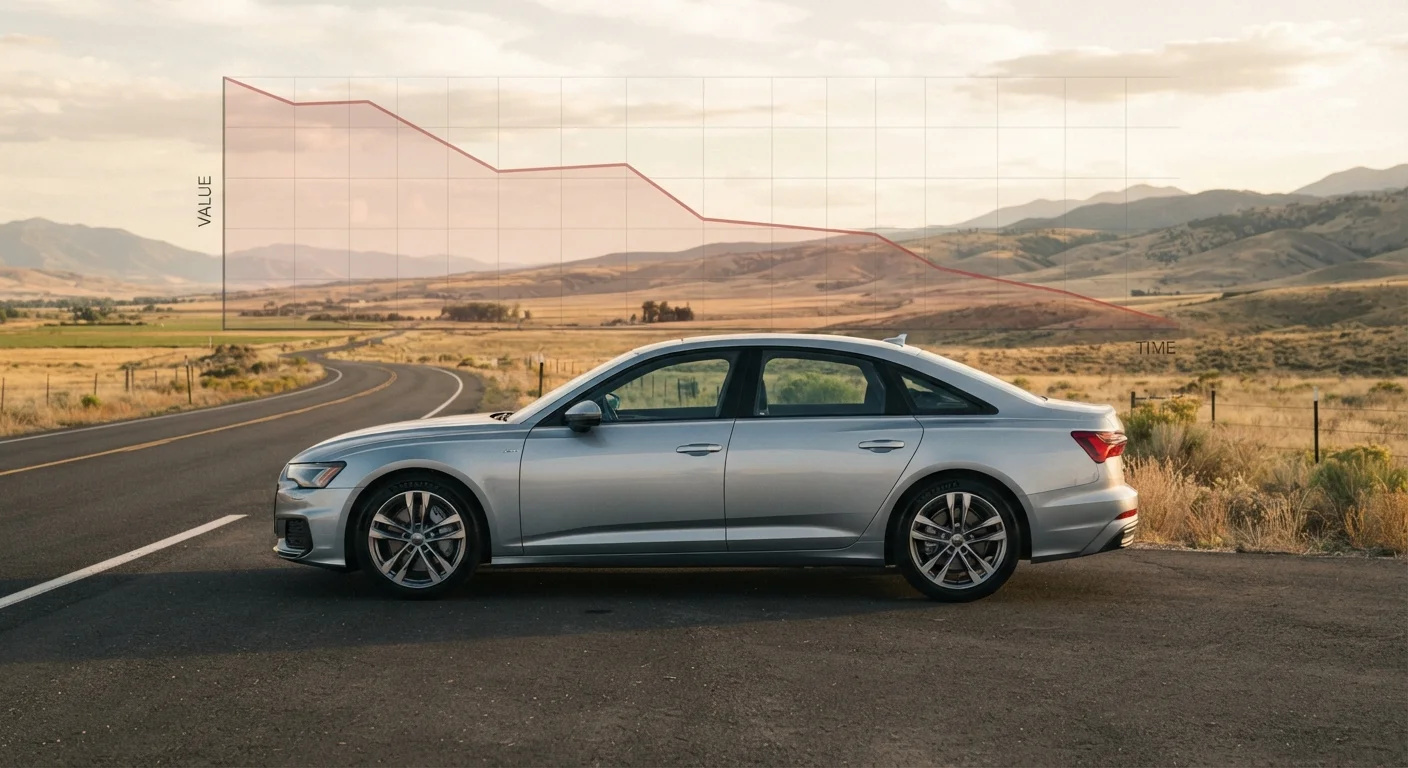
Photo: InsightsVilla.com | Quick Search. Right Info editorial
Key Takeaways
- New vehicles typically lose 15-25% of their value in the first year alone.
- The steepest depreciation happens in years one through five, then slows significantly.
- Mileage, condition, brand reputation, and model popularity all influence how fast a car loses value.
- Understanding depreciation helps you make smarter decisions about when to buy, sell, or trade in.
- Buying a vehicle that is two to three years old can mean someone else absorbed the steepest value drop.
The Shape of the Depreciation Curve
If you mapped out a typical vehicle's value over its life, the curve would not be a straight line. It would drop sharply at the start, then gradually flatten. This is the depreciation curve - and understanding its shape is one of the most practical things a car owner can do.
In the first year alone, most new vehicles lose between 15% and 25% of their value. By the end of year five, the cumulative loss is often 40% to 60% of the original purchase price. After that point, value loss slows considerably. A ten-year-old vehicle may lose only a few hundred dollars per year in additional depreciation.
This pattern exists because the market responds heavily to newness. A brand-new car carries a premium that evaporates the moment it changes hands. From that point forward, age and mileage continue to chip away at resale value, but at a steadily slower pace.
~20%
Average value lost in year one
Industry estimates consistently show new vehicles lose roughly 15-25% of their value in the first 12 months of ownership.
~50%
Cumulative loss by year five
By the end of the fifth year, many vehicles have lost approximately half of their original purchase price according to general automotive valuation data.
#1
Depreciation as ownership cost
For many vehicle owners, depreciation exceeds fuel, insurance, and maintenance as the largest single cost category over a vehicle's ownership life.
What Speeds Up or Slows Down Depreciation
Not every vehicle follows the same curve. Several factors push a car's value down faster - or help it hold value longer.
- Mileage: High annual mileage accelerates value loss. The market views high-mileage vehicles as having less useful life remaining.
- Condition and maintenance history: A vehicle with documented service records and no accident history retains more value. Neglect shows up at trade-in time.
- Brand and model reputation: Vehicles with strong reliability reputations tend to depreciate more slowly because demand for them stays higher in the used market.
- Segment popularity: In the current U.S. market, trucks and SUVs often hold value better than sedans, which reflects buyer demand shifts over recent years.
- Color and configuration: Common, neutral colors and popular trim levels are easier to resell, which supports value retention.
- Fuel costs: When fuel prices rise sharply, demand for fuel-efficient vehicles increases while gas-heavy models may depreciate faster.
Maintenance Records Protect Resale Value
Why Depreciation Matters for Your Finances
Depreciation is often the single largest cost of owning a vehicle - larger than fuel, insurance, or maintenance in many cases. Yet it is invisible in day-to-day ownership because you don't write a check for it. The loss only becomes visible when you sell or trade in.
For everyday owners, this has several practical implications. If you finance a new vehicle with a small down payment, you may find yourself "underwater" early in the loan - meaning you owe more than the car is currently worth. This creates a financial risk if the vehicle is totaled or needs to be sold.
Understanding depreciation also helps when timing a trade-in or sale. Selling during the steep early drop in value locks in a larger loss. Holding the vehicle through that early period and then trading in around year five or six captures some of the curve's flattening. See our full breakdown of vehicle ownership costs to see how depreciation compares to other expenses over a vehicle's lifetime.
Using Depreciation Knowledge Practically
Awareness of the depreciation curve can inform several ownership decisions without requiring you to become a financial expert.
Buyers who purchase vehicles that are two to three years old effectively let the original owner absorb the steepest portion of the curve. The car still has substantial useful life, but costs meaningfully less. First-time buyers in particular benefit from understanding this dynamic before stepping into a dealership.
Owners who plan to keep a vehicle for ten or more years should be less concerned about depreciation than those who trade in every few years. When you hold a car long-term, the annual depreciation cost averages out over more miles and more years, reducing its weight in your overall expense picture. Our guide to managing car ownership costs over time covers additional habits that help you get the most from your vehicle financially.
Finally, keeping up with routine maintenance is one of the few things owners can directly control that supports resale value. A clean service record signals to future buyers that the vehicle was cared for - and that shows up in offers. See our maintenance primer for new drivers for foundational upkeep guidance.
This article is for general informational purposes only and does not constitute personalized financial or investment advice. Consult a qualified financial professional for guidance specific to your situation.
Frequently Asked Questions
The content on this site is for informational purposes only and is not a substitute for professional advice. Always consult a qualified professional for guidance specific to your situation.